MENORCA
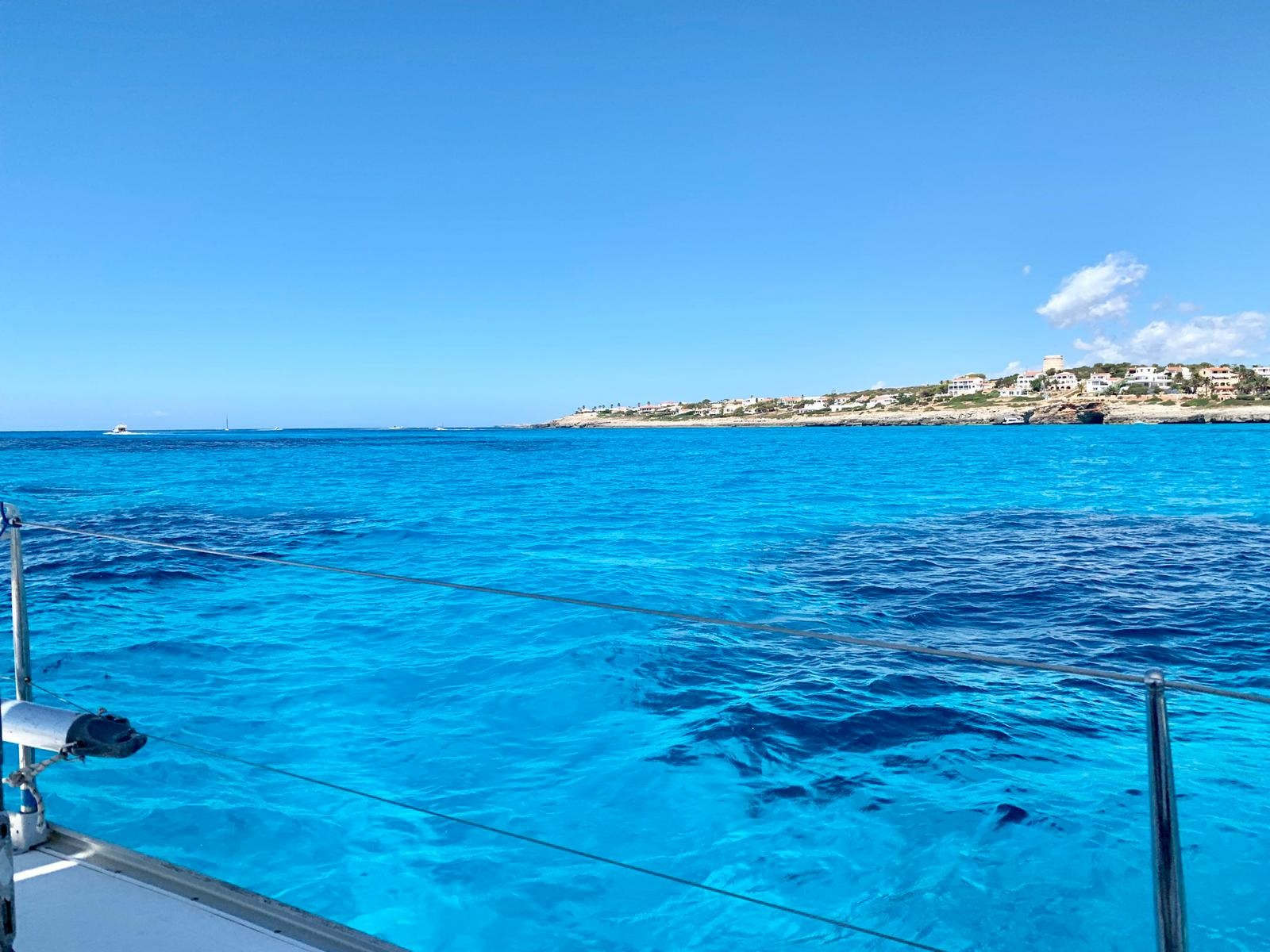
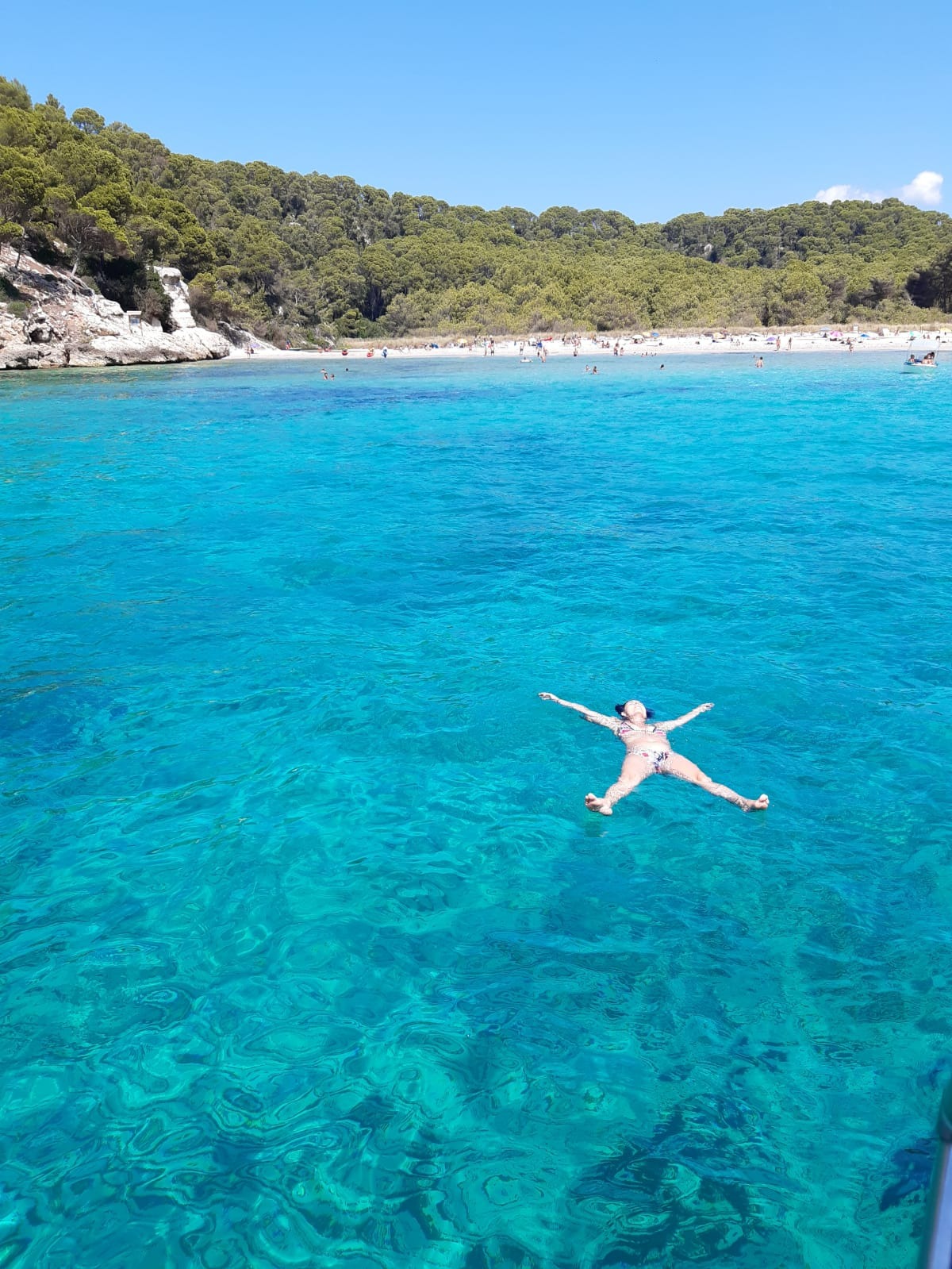
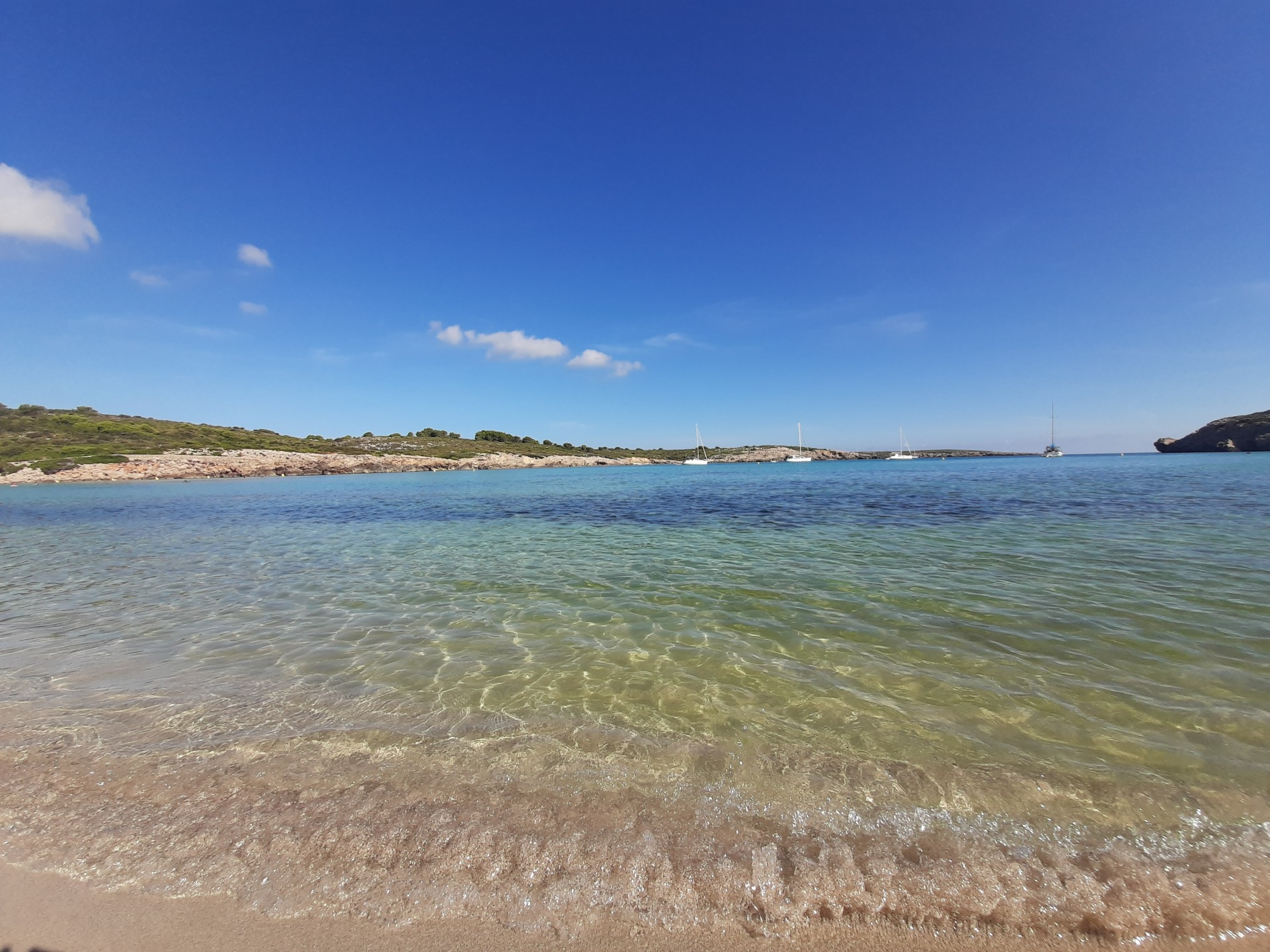
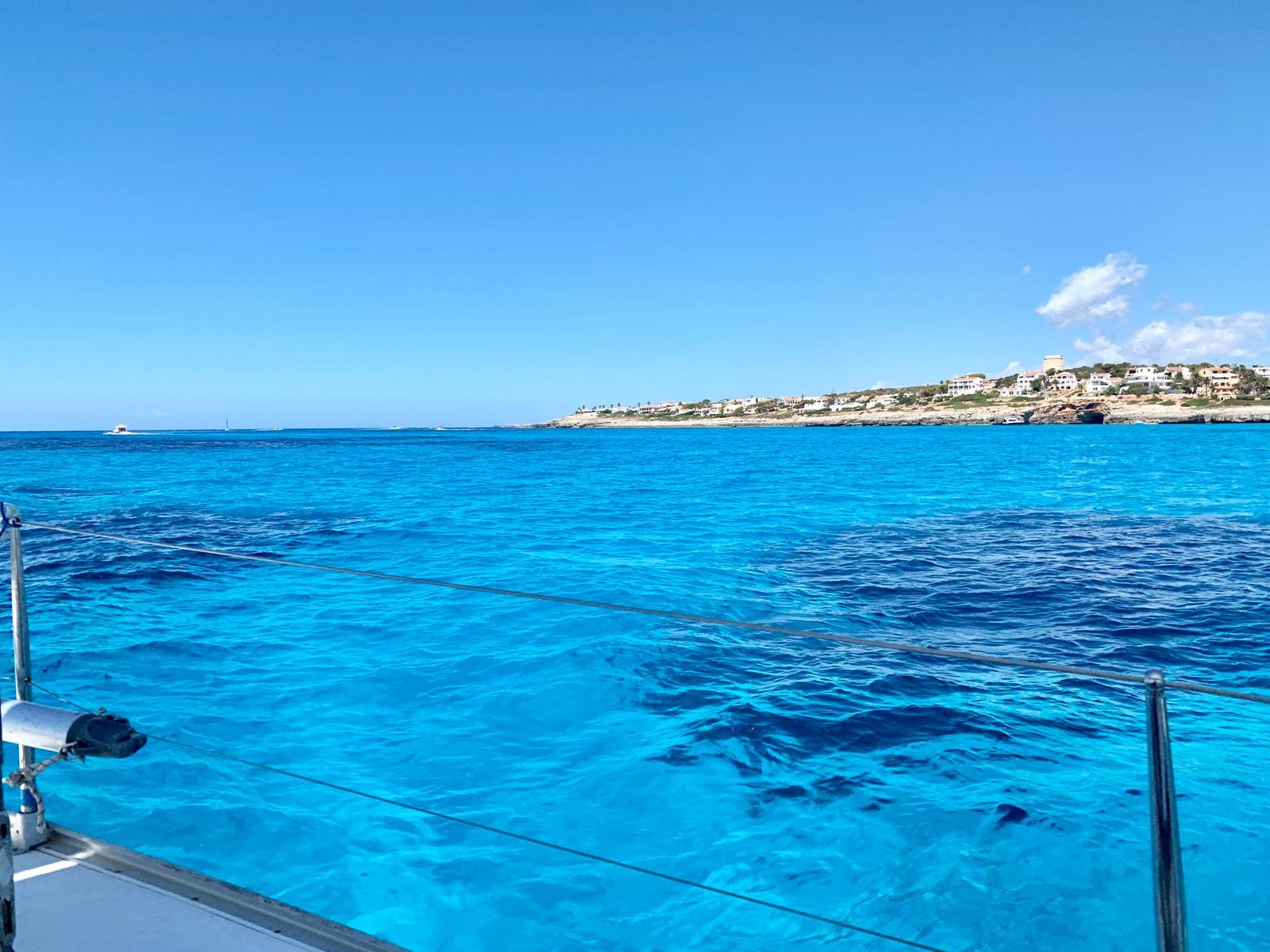
DestinationsYou will fall in love with Menorca both on its coast and in its interior, it is an island that transmits calm and where time slows down. It has 216km. of varied coastline. A steep coastline and reddish beaches in the north; coves with crystal-clear waters and golden sands in the south.
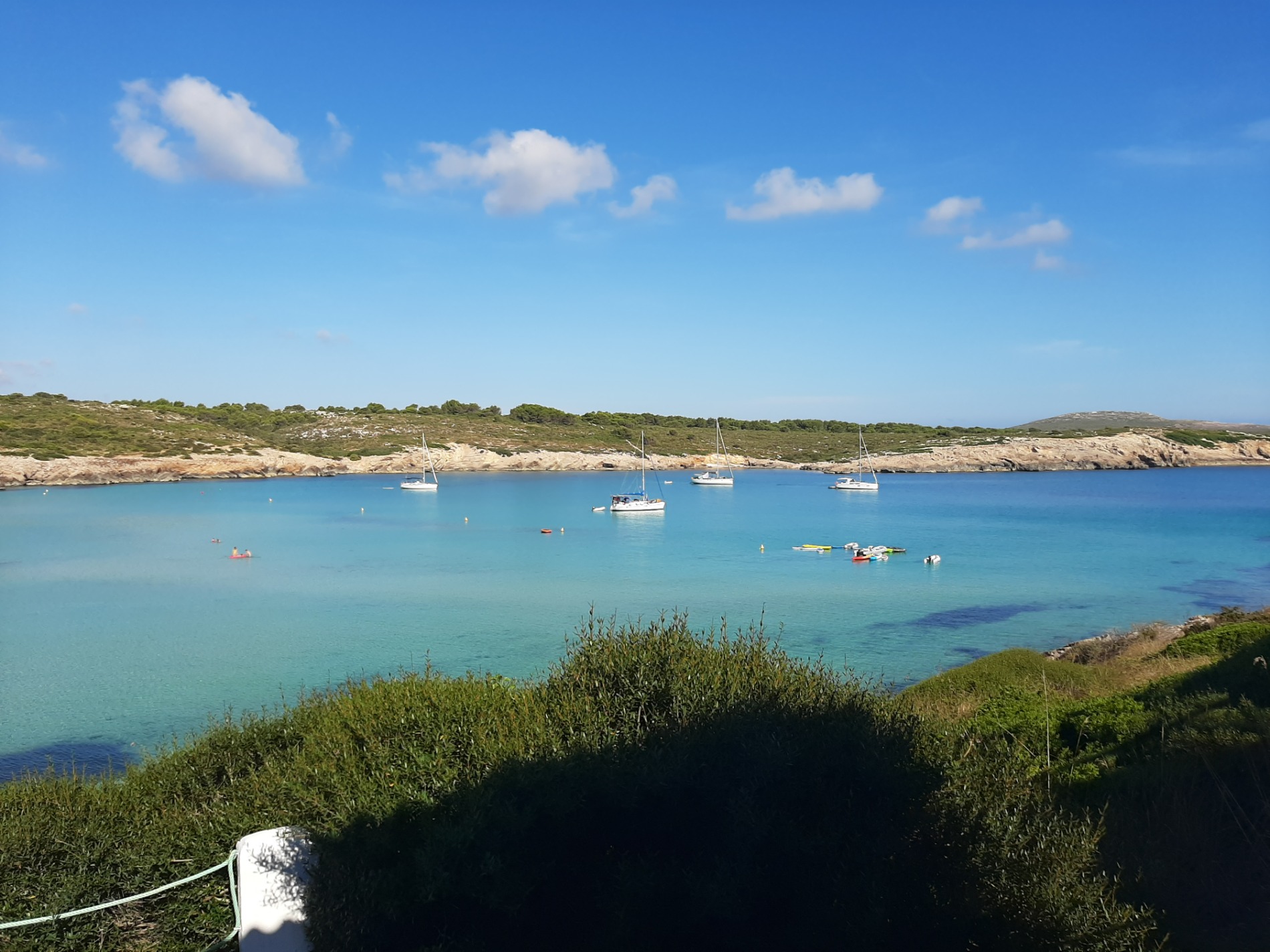
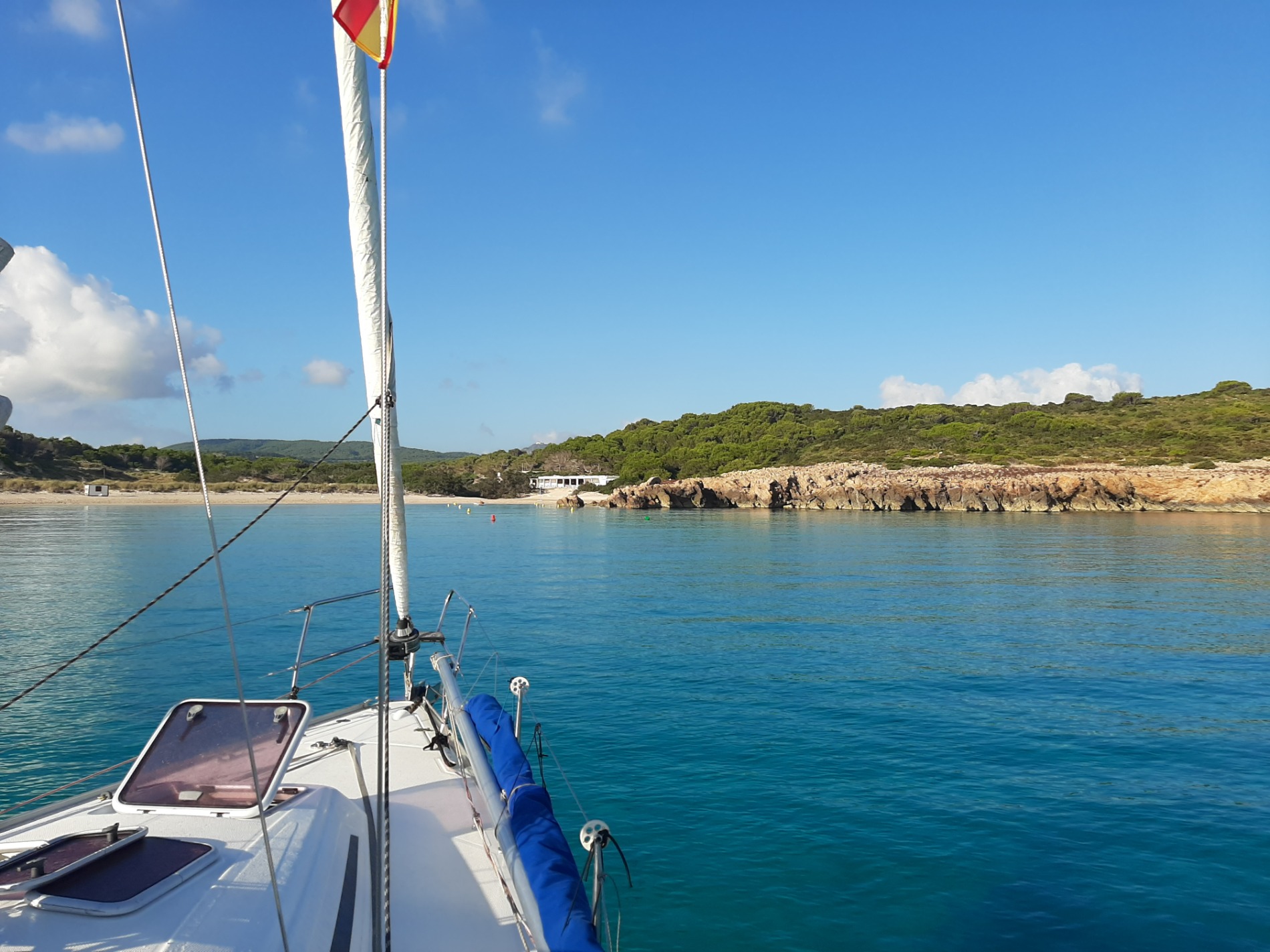
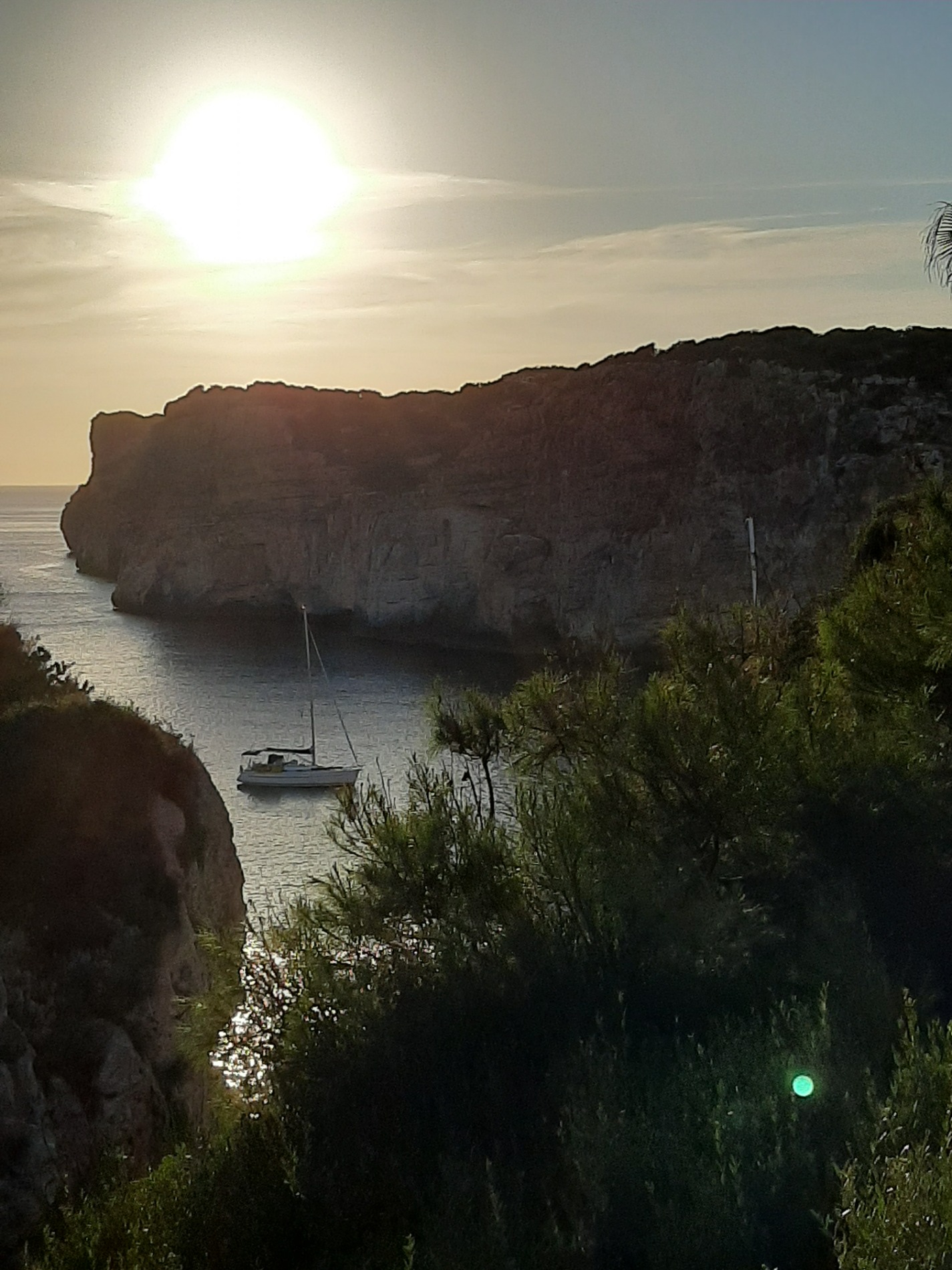
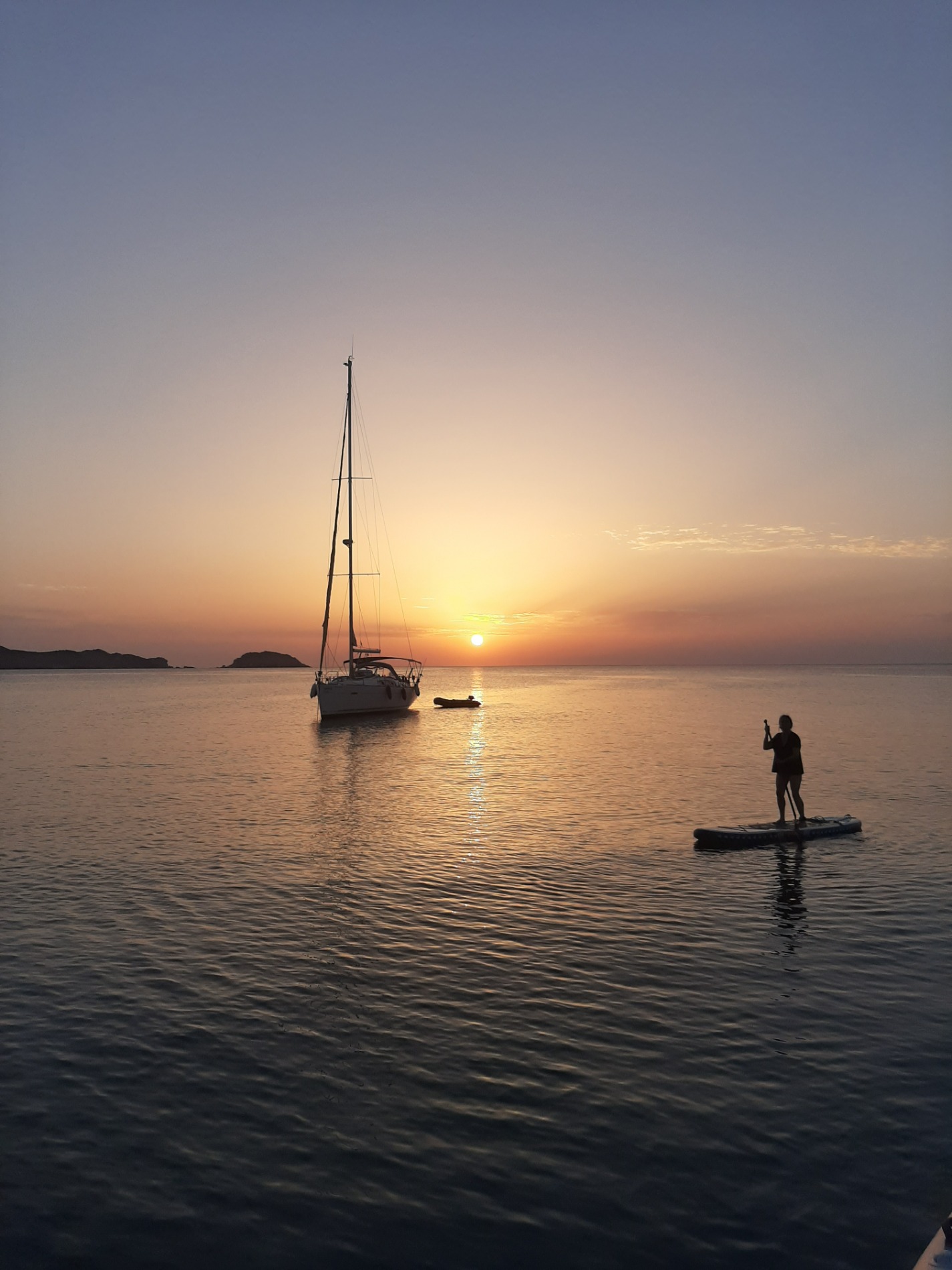
Sailing around Menorca is undoubtedly one of the most beautiful and special options for visiting the island. It is a perfect enclave to enjoy in the company of family and friends that stands out for its diversity, from wide sandy beaches to coves surrounded by pine trees and difficult access by land. or monumental cities like Mahón and Ciutadella.
Declared a Biosphere Reserve by UNESCO in 1993, the island has great ecological and landscape wealth. It can also be explored by land by bike, on foot or horseback along the well-known Camí de Cavalls.
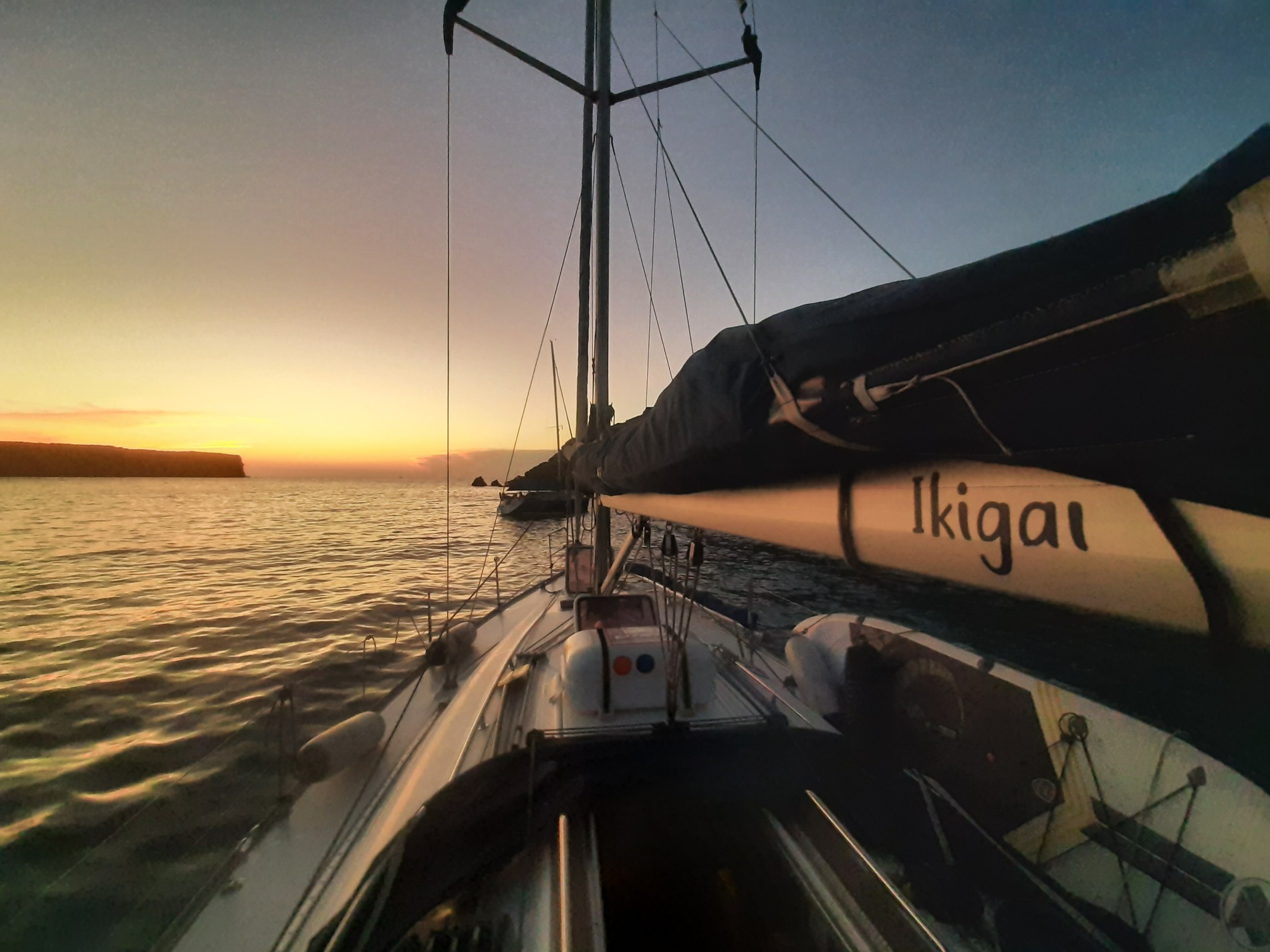
Menorca is a small island, there are approximatelly 40km. between Mahón and Ciutadella making it possible to sail around the island in a few days and explore its entire coast from the sea. I have been sailing the waters of Menorca for fifteen years, the last four years as a Professional Skipper, so I know all its corners well, the most sheltered coves, the most hidden, treasures that tourists do not know about or cannot visit from land. We will adapt the navigation to the weather to spend the best vacation possible in the safest way possible, enjoying the beauty of Menorca, an island that exceeds the expectations of those who visit it and where you can live the experience of sleeping under the stars anchored in any of its coves are unmatched.
Sailing from Mahón to Ciutadella in the North:
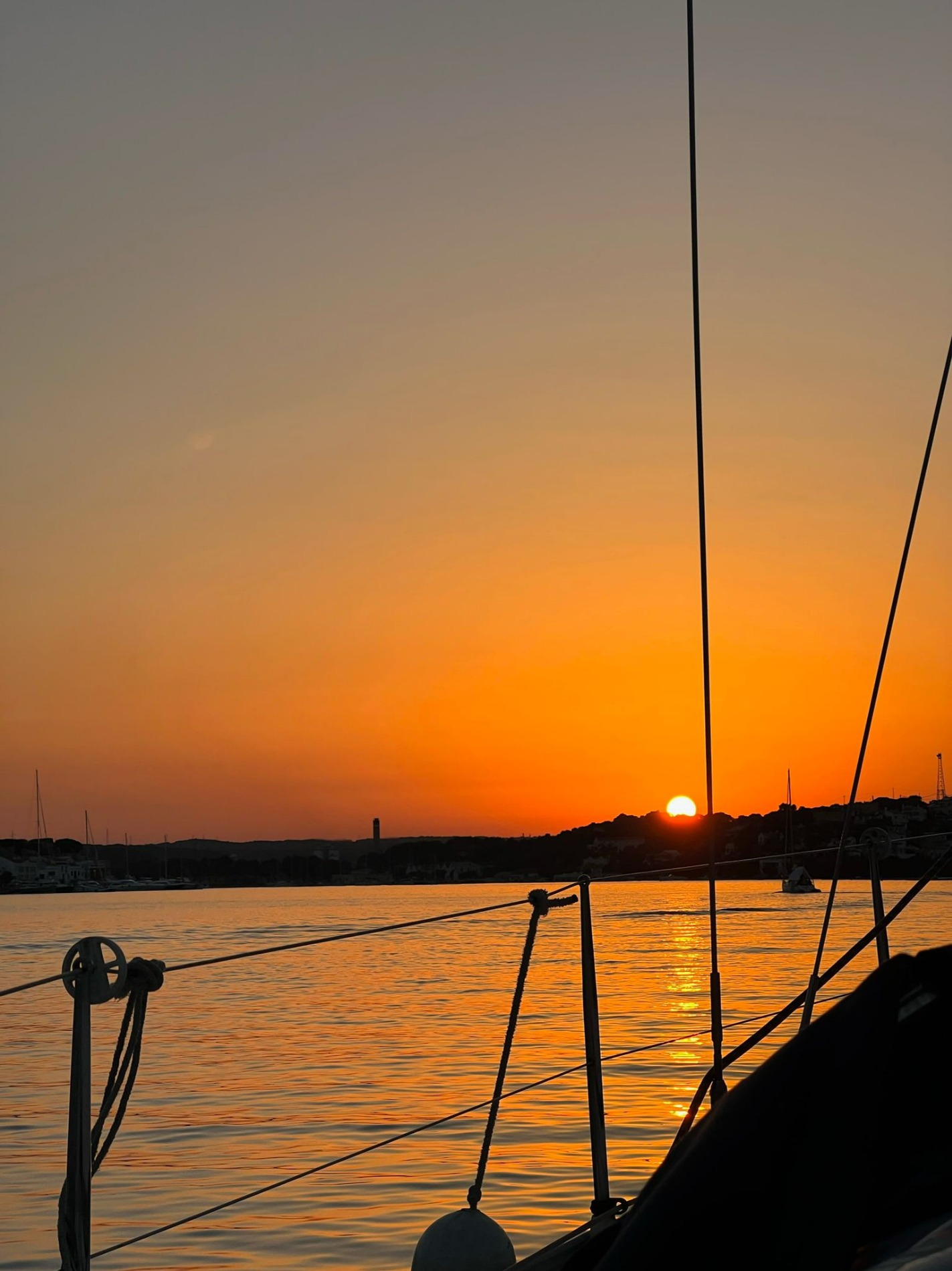
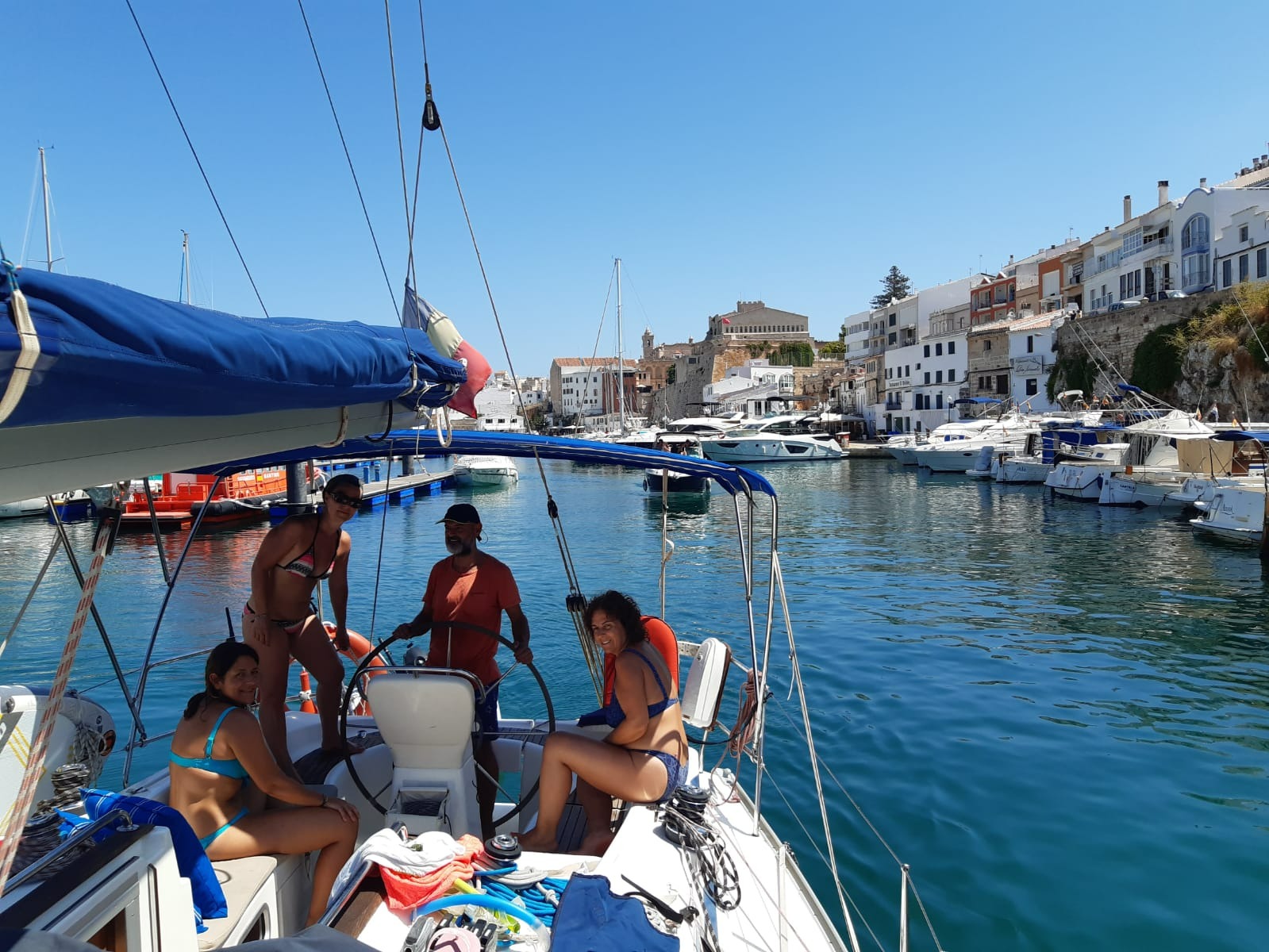
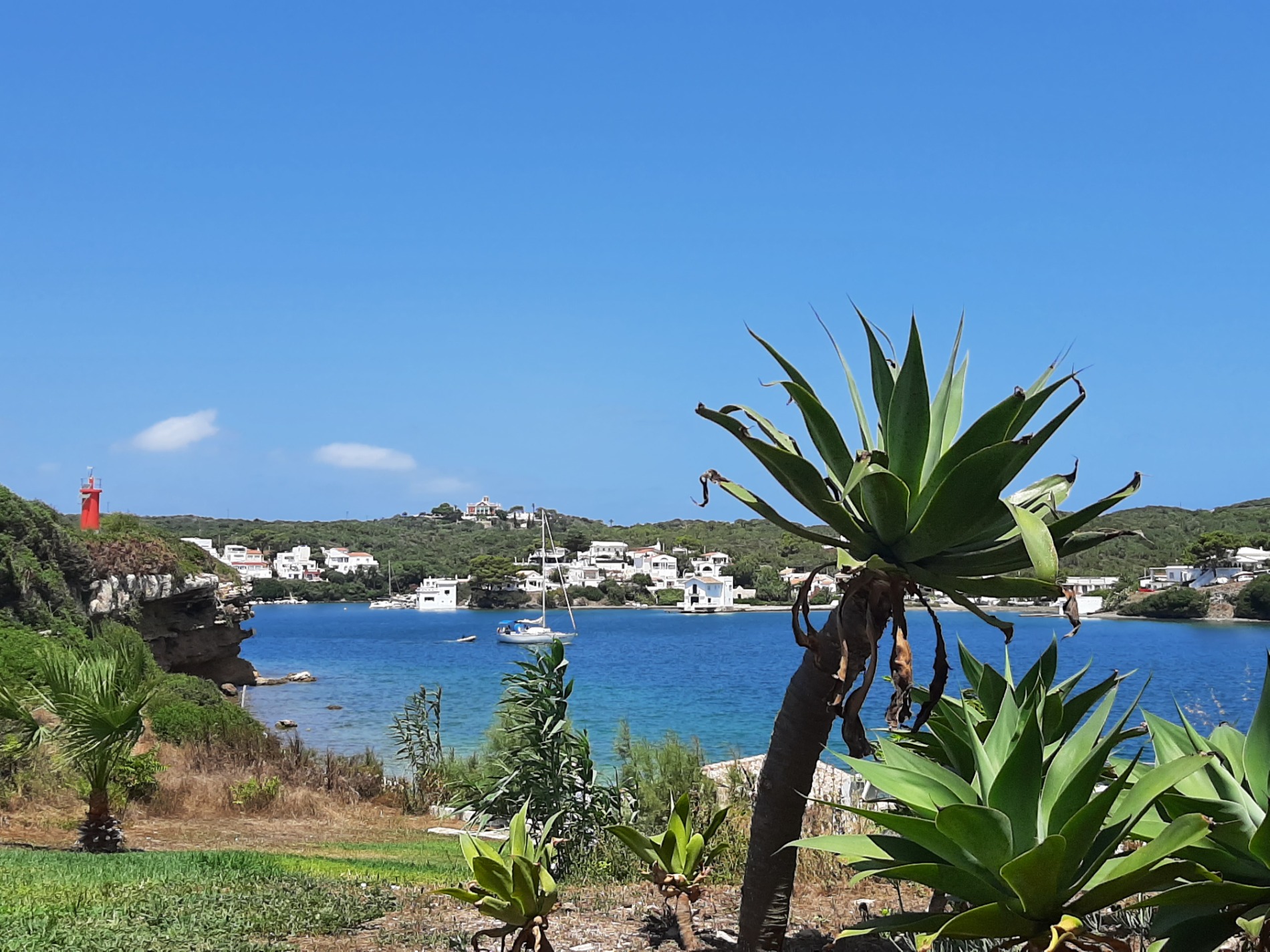
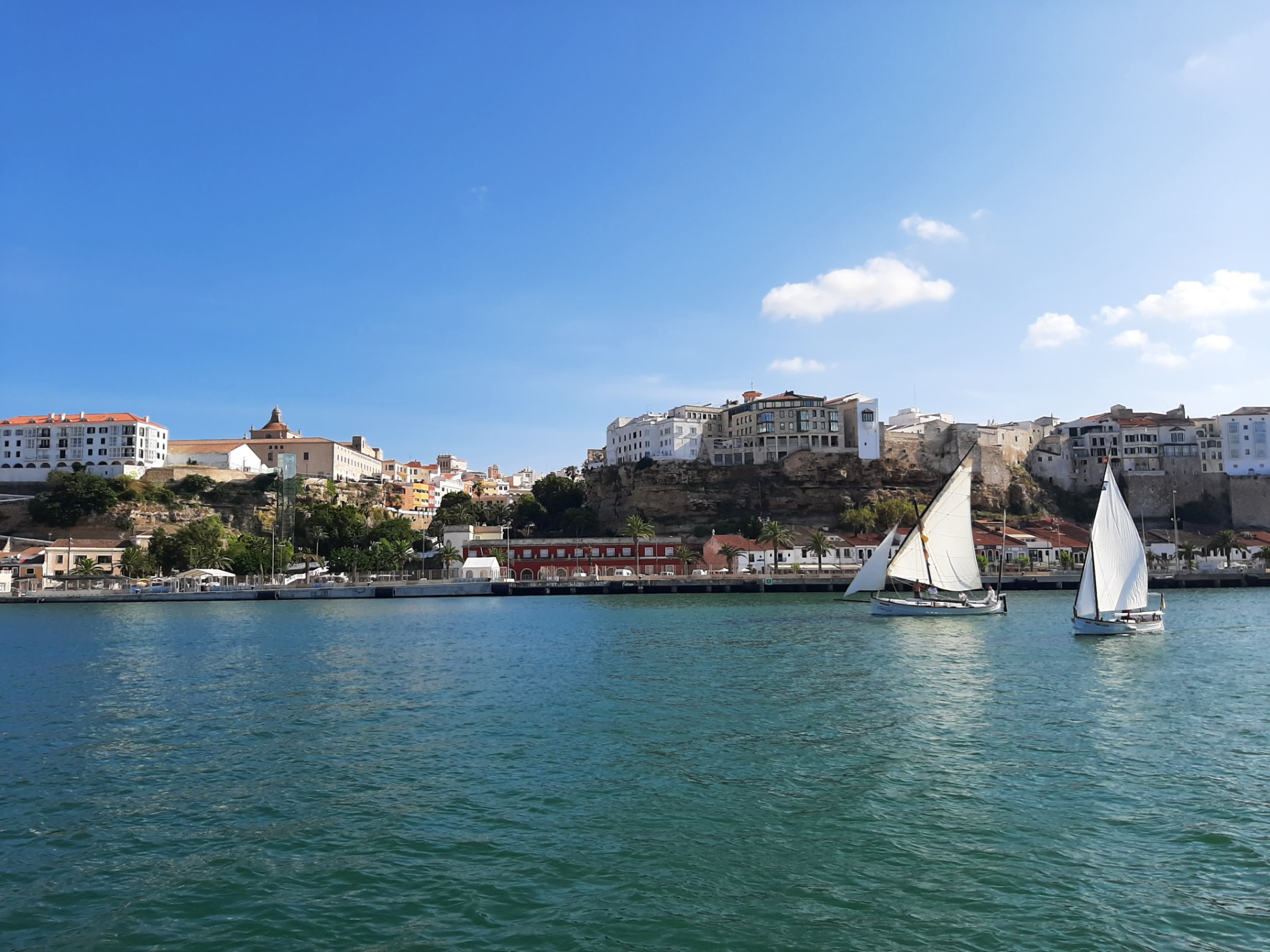
Mahón: is the capital of Menorca and has the second largest natural port in Europe, It is almost 6km long, navigating through and seeing the old town at the top of the cliff is a spectacle. The historic centre of Mahón offers many unique corners and buildings to discover, most of them of English heritage due to their domination in the 18th century. A walk along the port and having lunch or dinner on one of its terraces is essential.
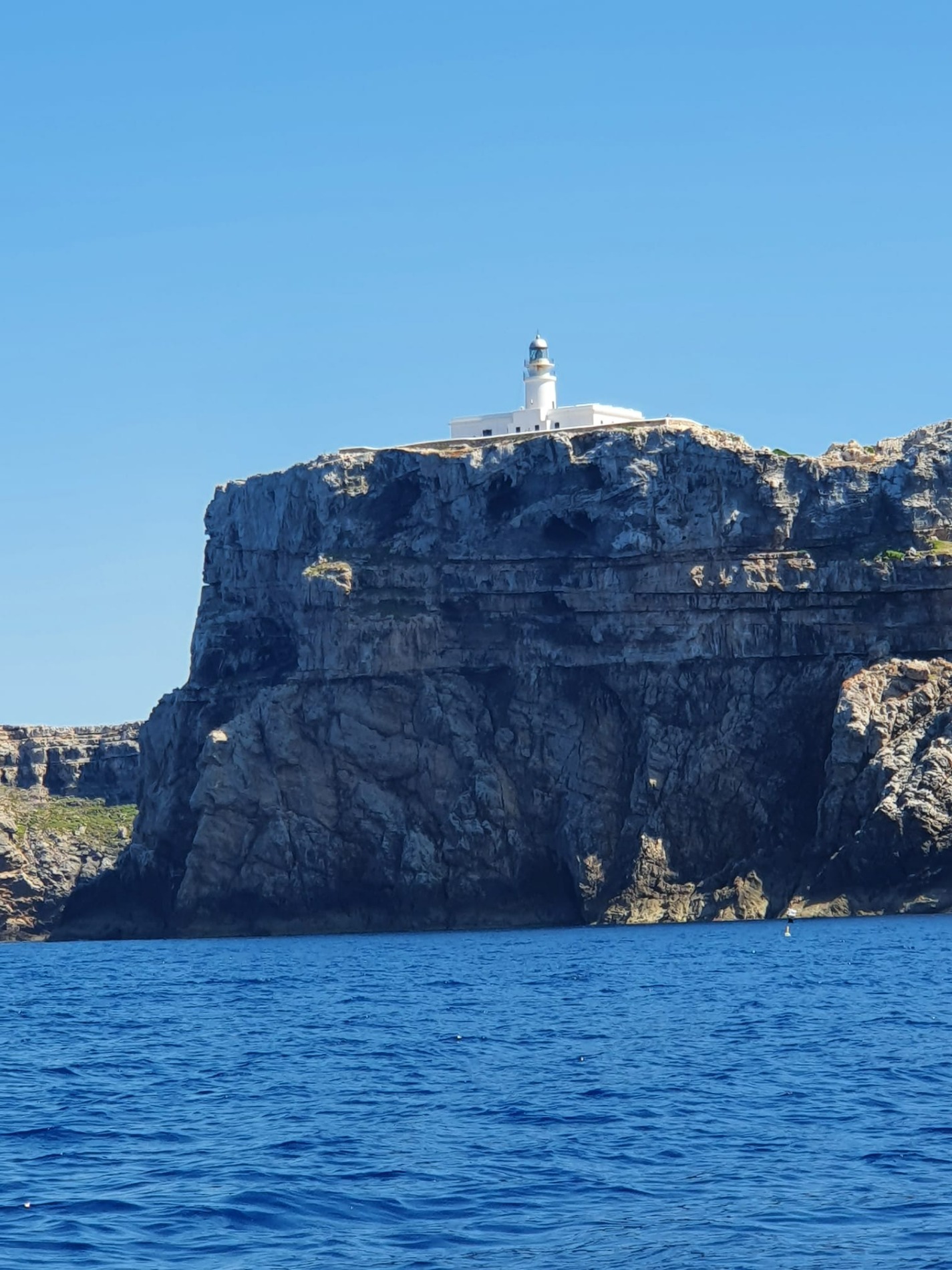
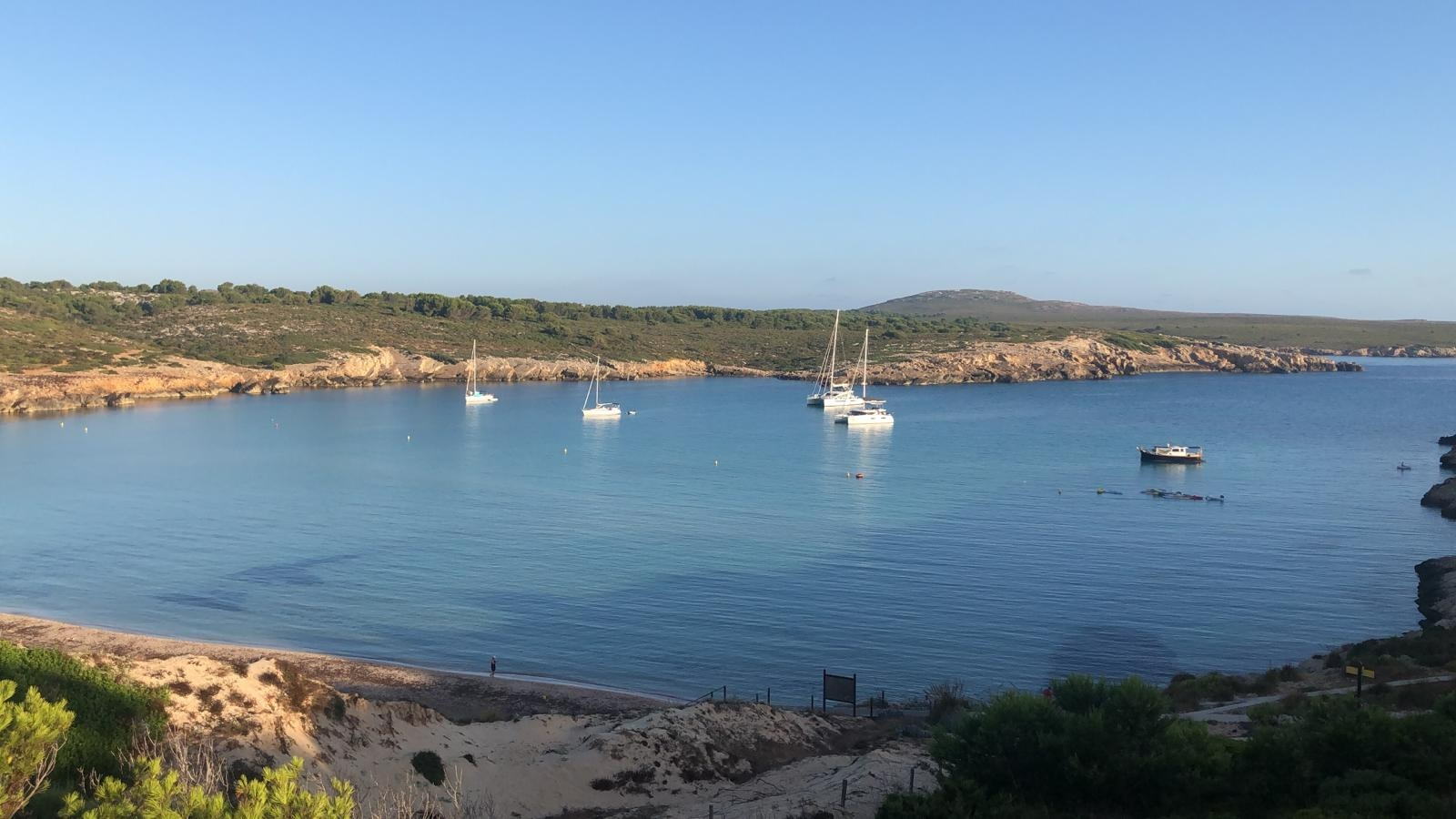
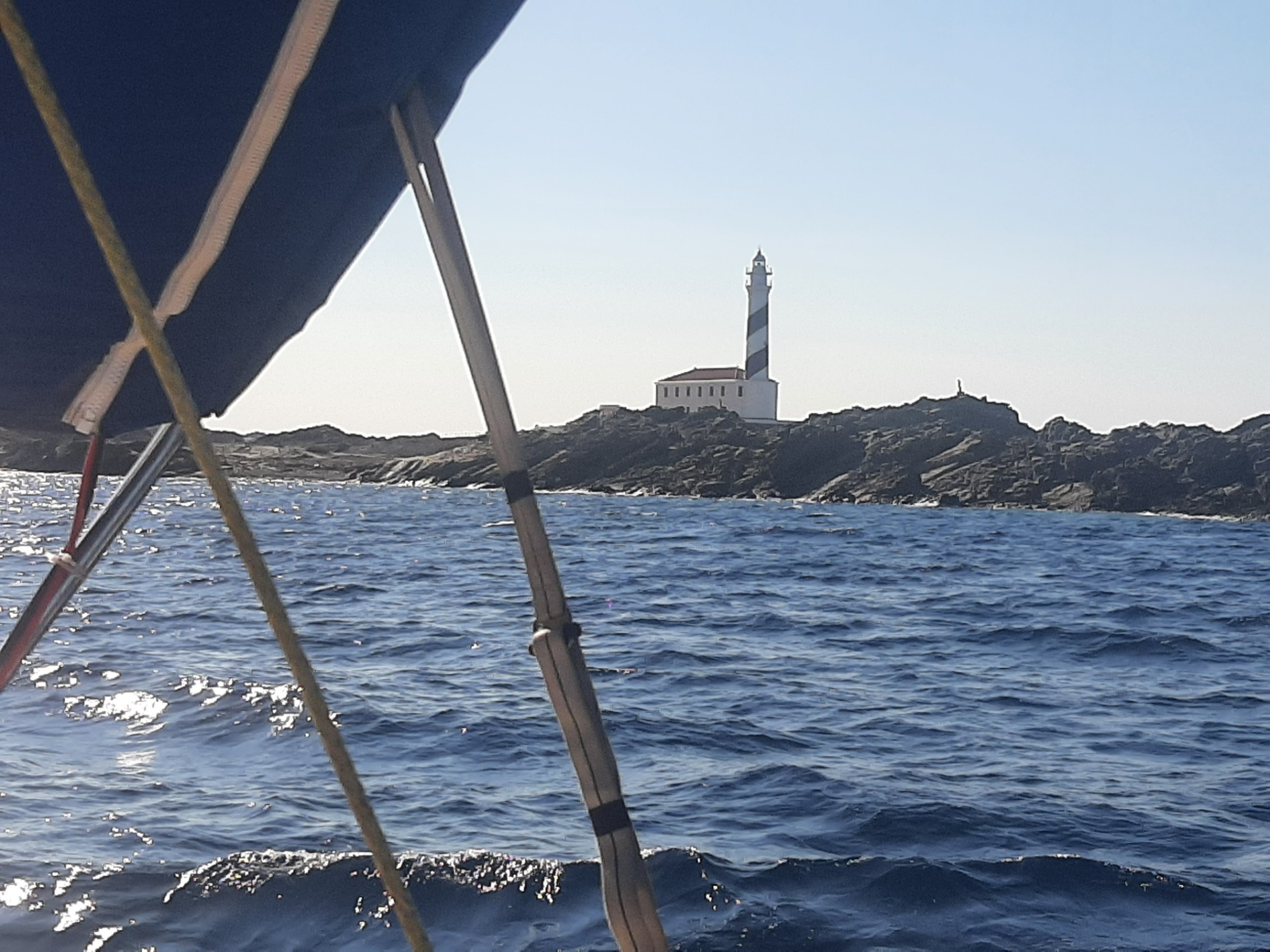
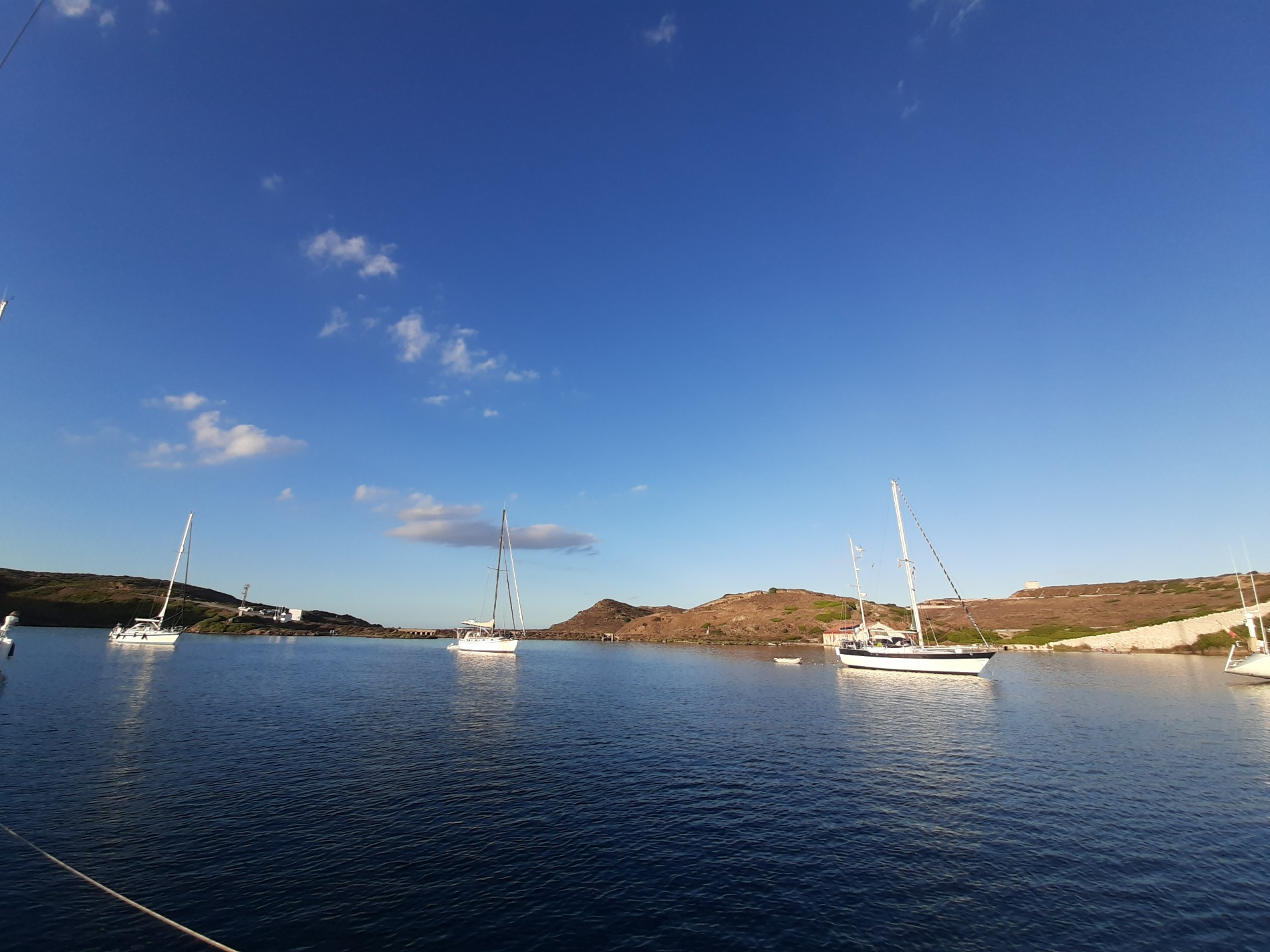
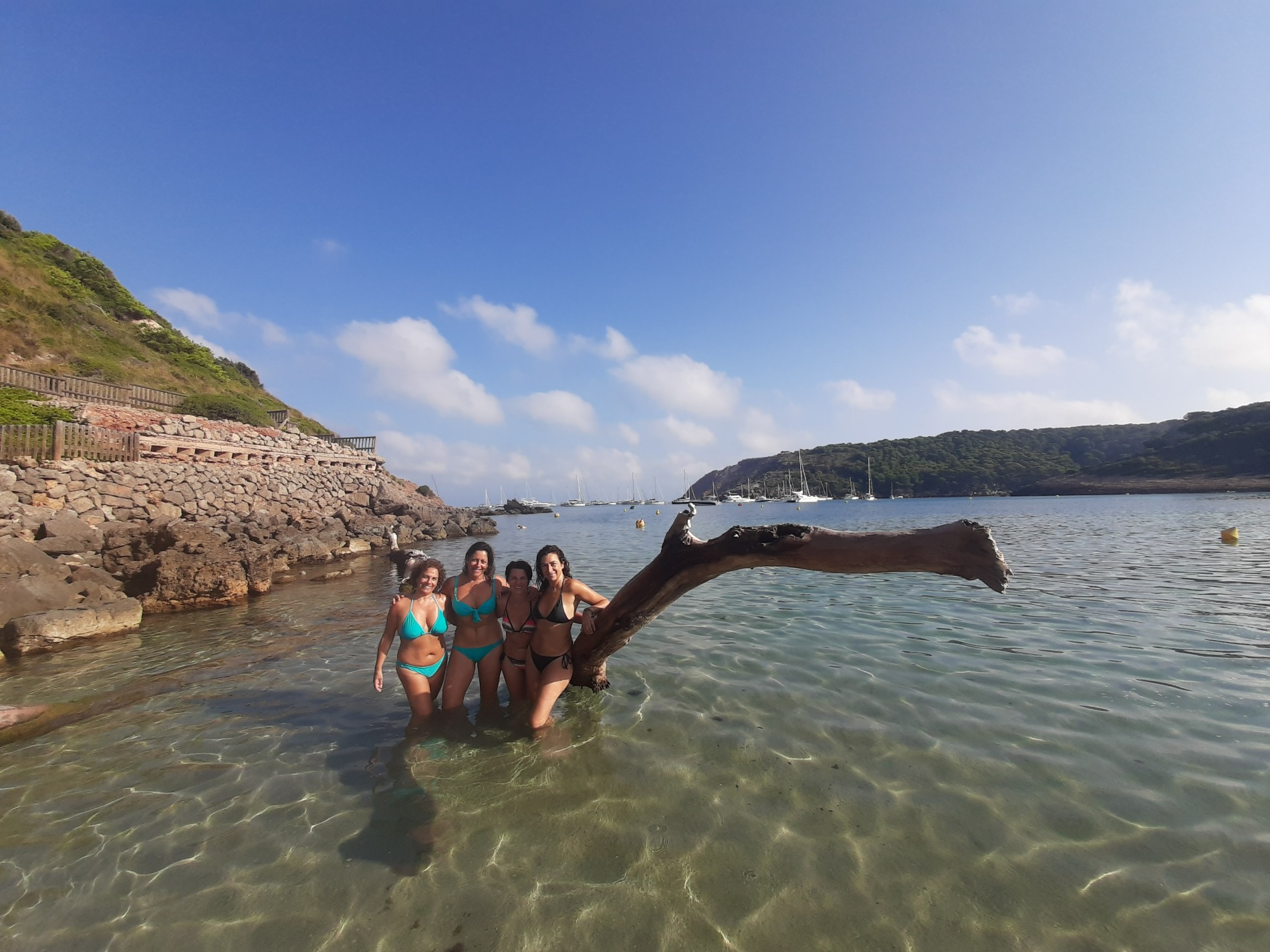
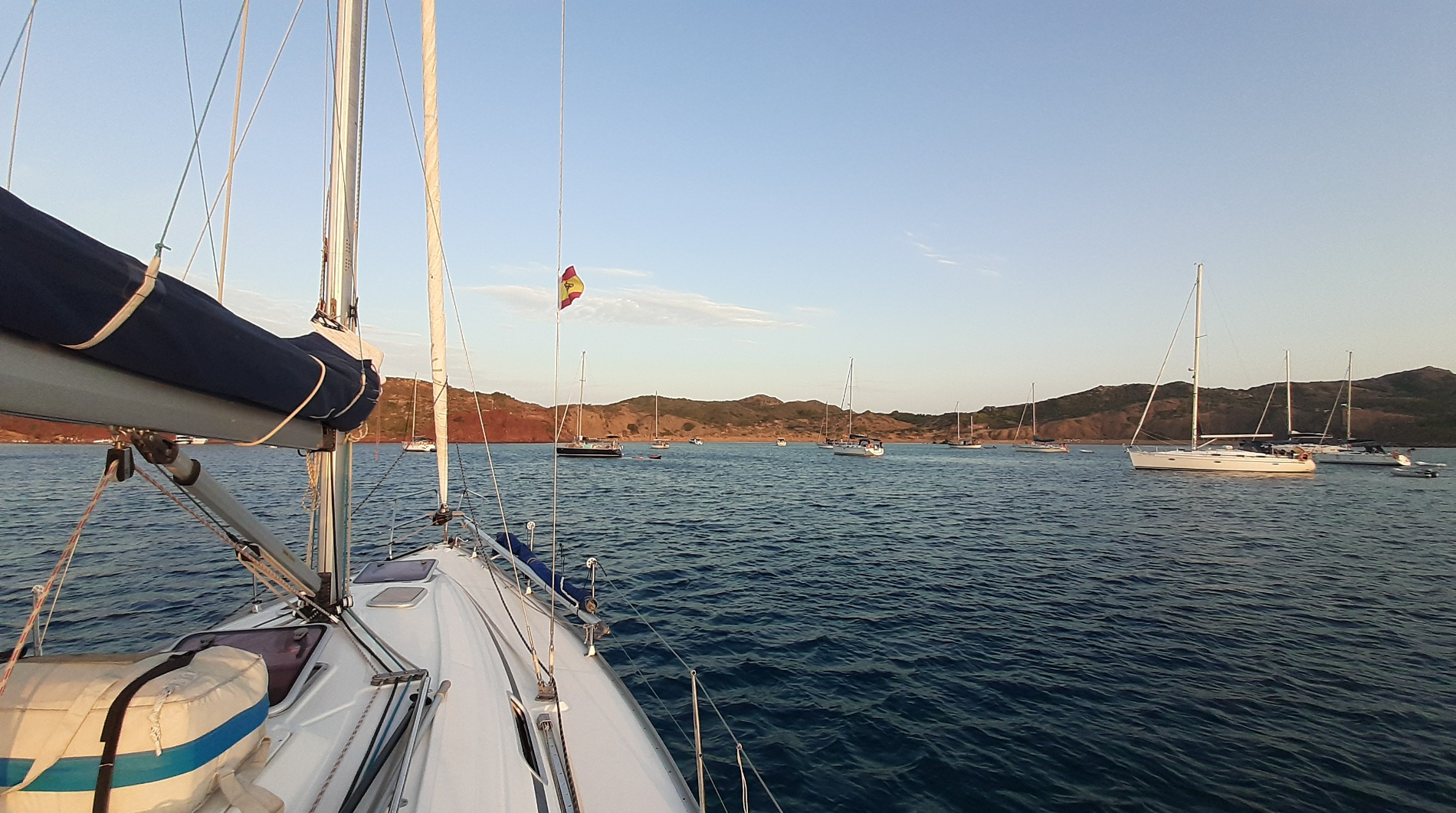
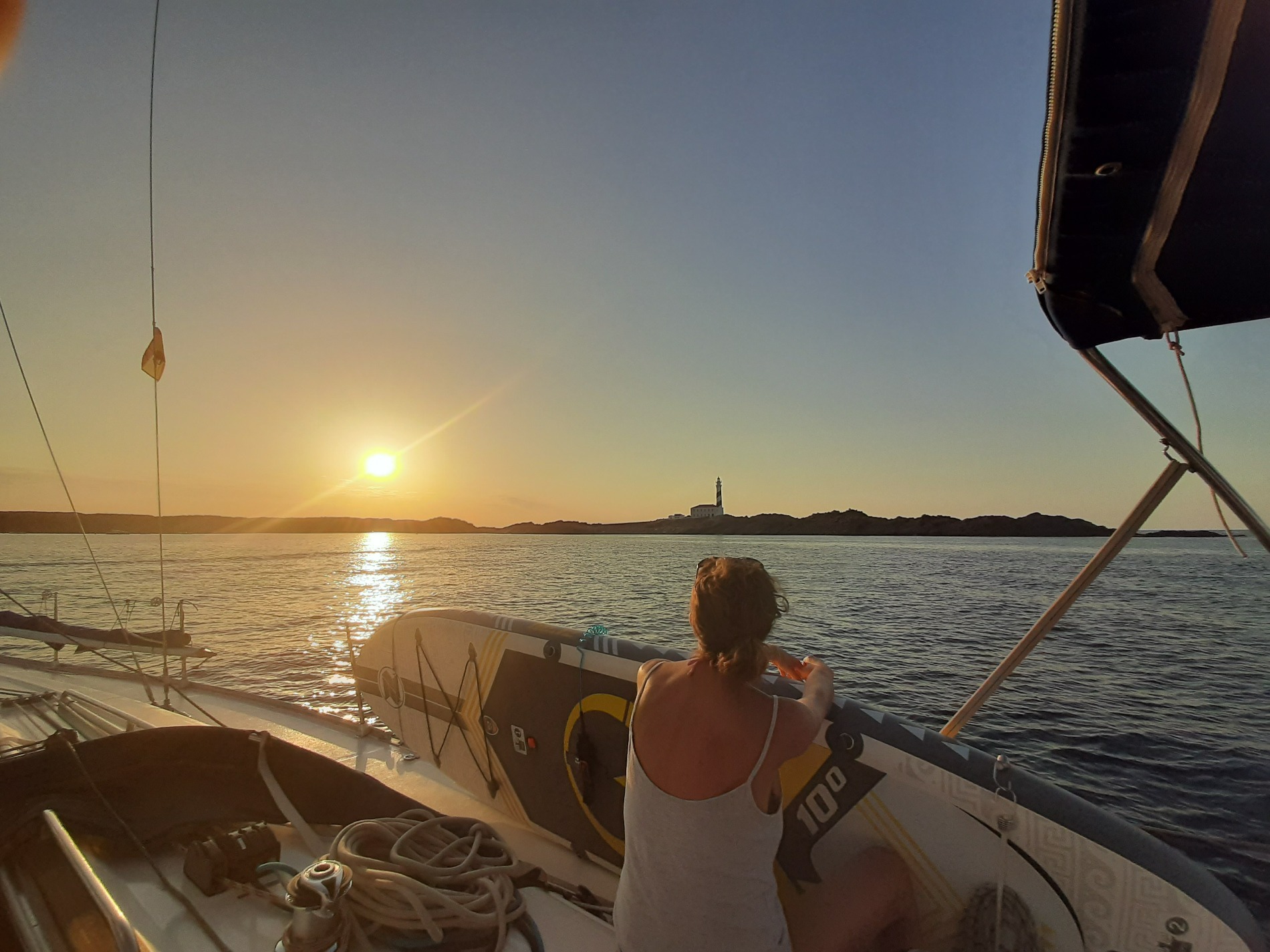
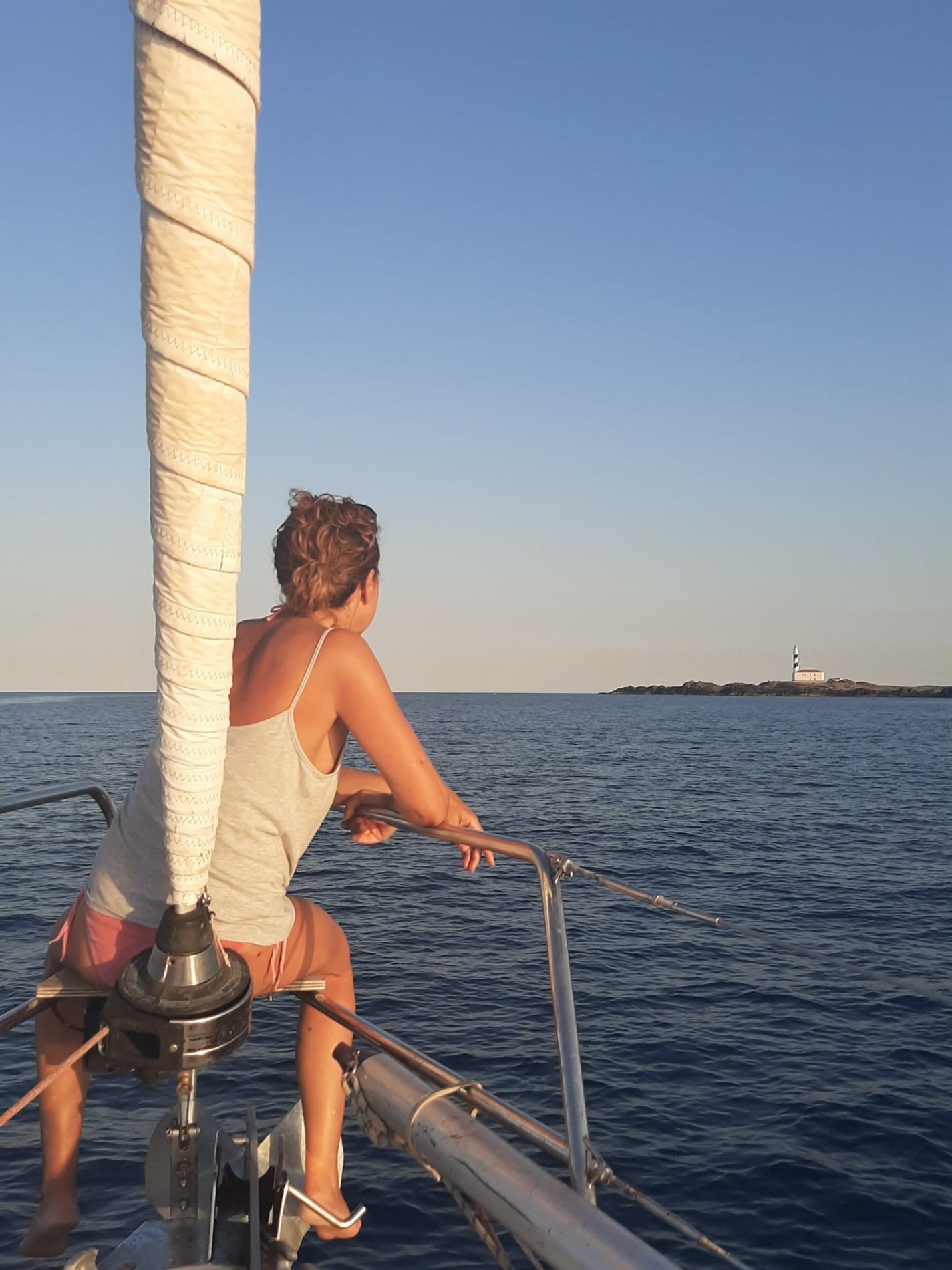
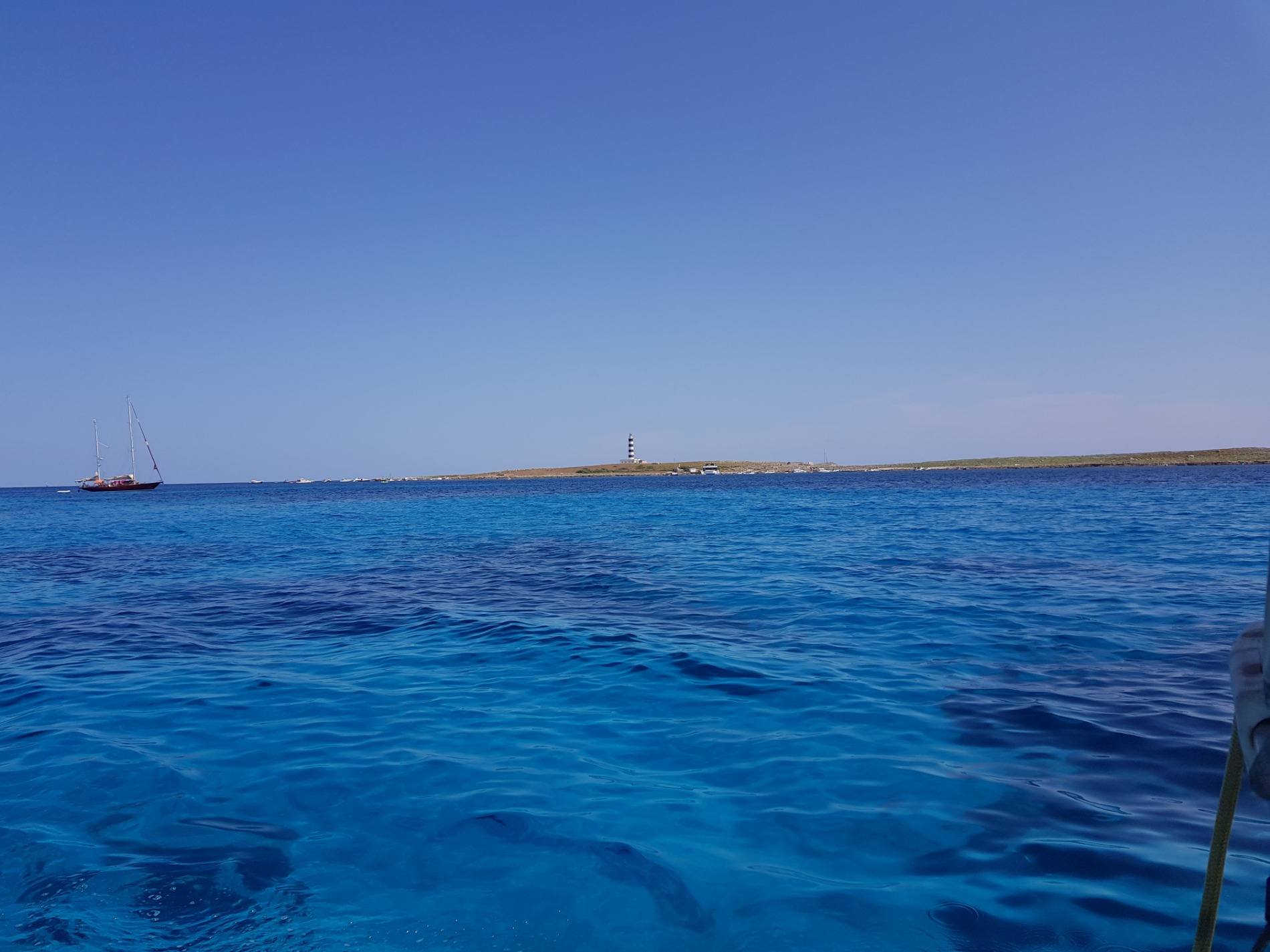
Albufera d’Es Grau and Illa d’en Colom: The Albufera d’es Grau is the only Natural Park on the Island, an unmissable event for bird lovers. Es Grau is an old fishing village now converted into a summer resort area and protected by the Illa d'en Colom, the largest islet in Menorca with two beaches only accessible by paddle surf or kayak. It is a nice anchoring place with buoys to preserve the Posidonia or sea grass where you can spend a quiet night because it is very protected from all winds except the North. From Illa Colom in just a few miles we can visit Cala Presili or Cala Tortuga before arriving, in my opinion, at the most beautiful lighthouse on the island, Favaritx.
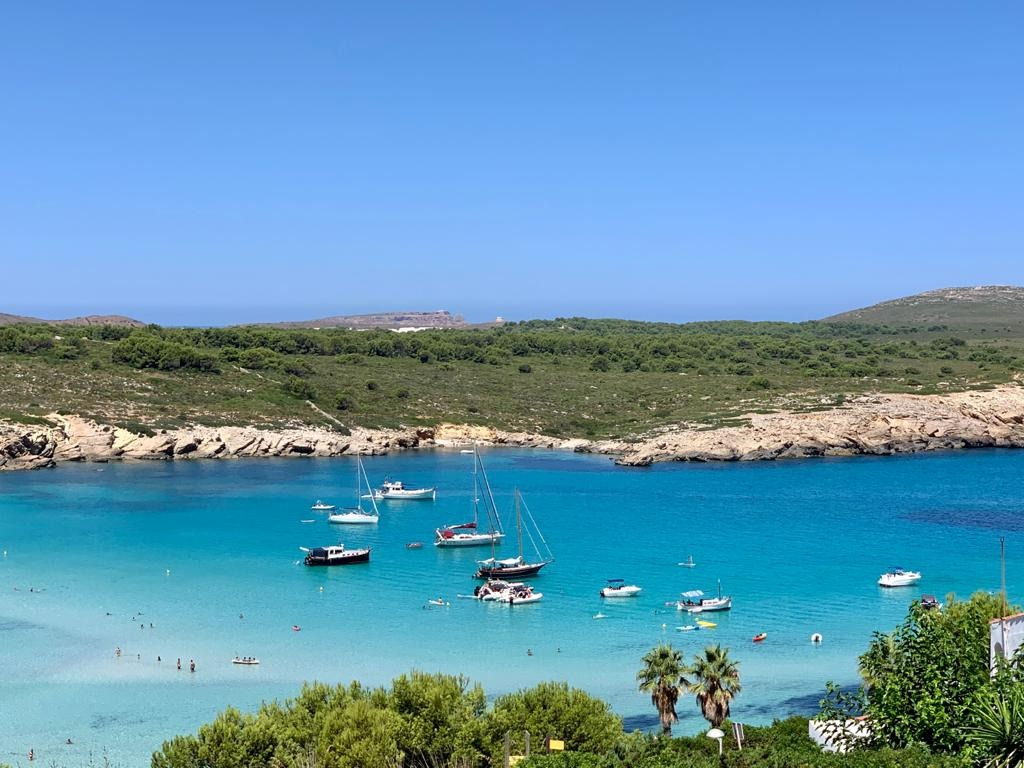
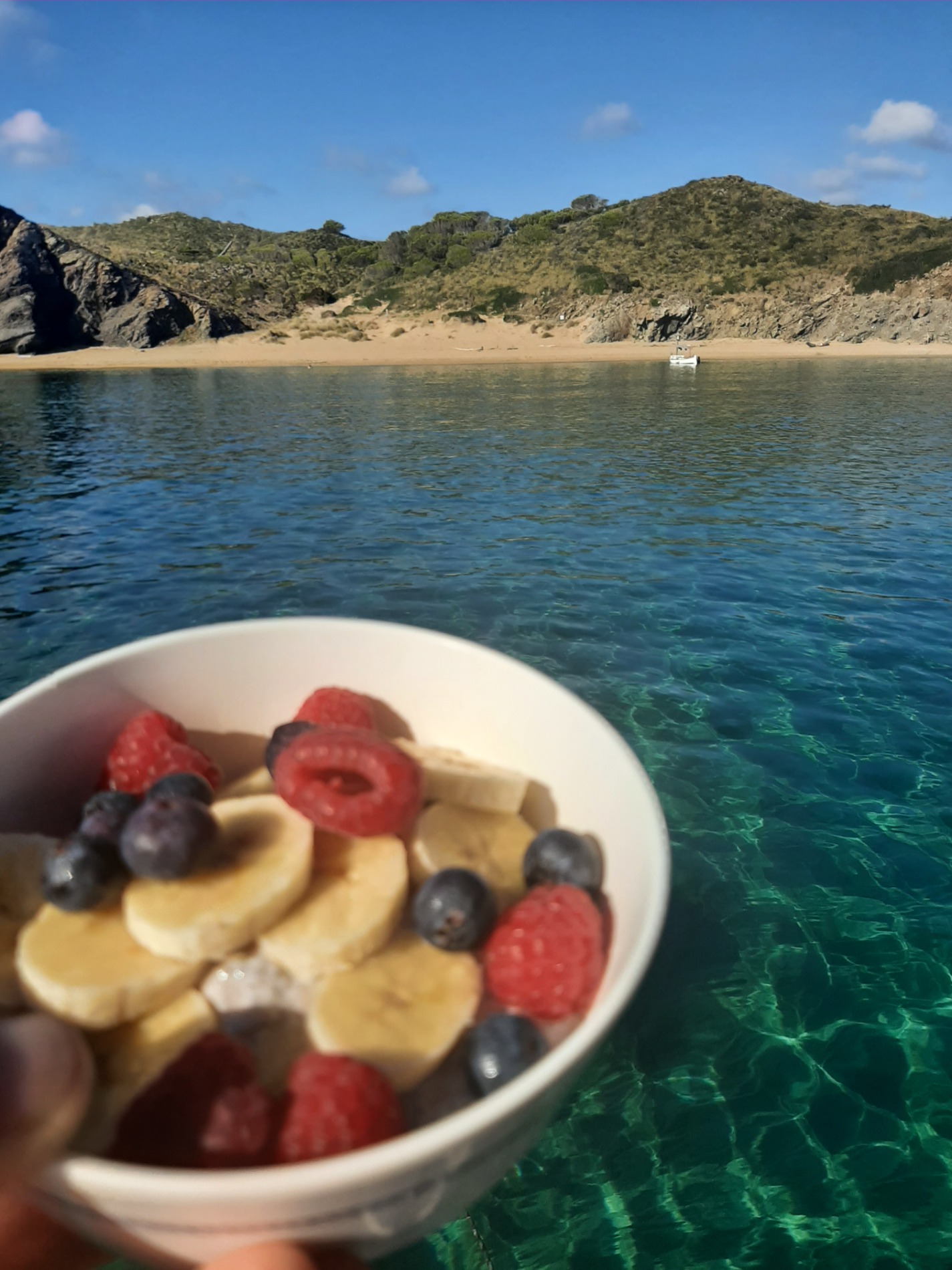
Arenal d'en Castell and Arenal de l'Olla de Son Saura: both are two impressive beaches of fine, white sand with crystal-clear waters. They are urbanized, especially Arenal d'en Castell, and allow you to go ashore to eat or shop. They are very enclosed and sheltered from the sea, and makes for a calm and quiet place to sleep at night. From Son Saura you can walk to Cala Pudent and it is common to come across Menorcan goats.
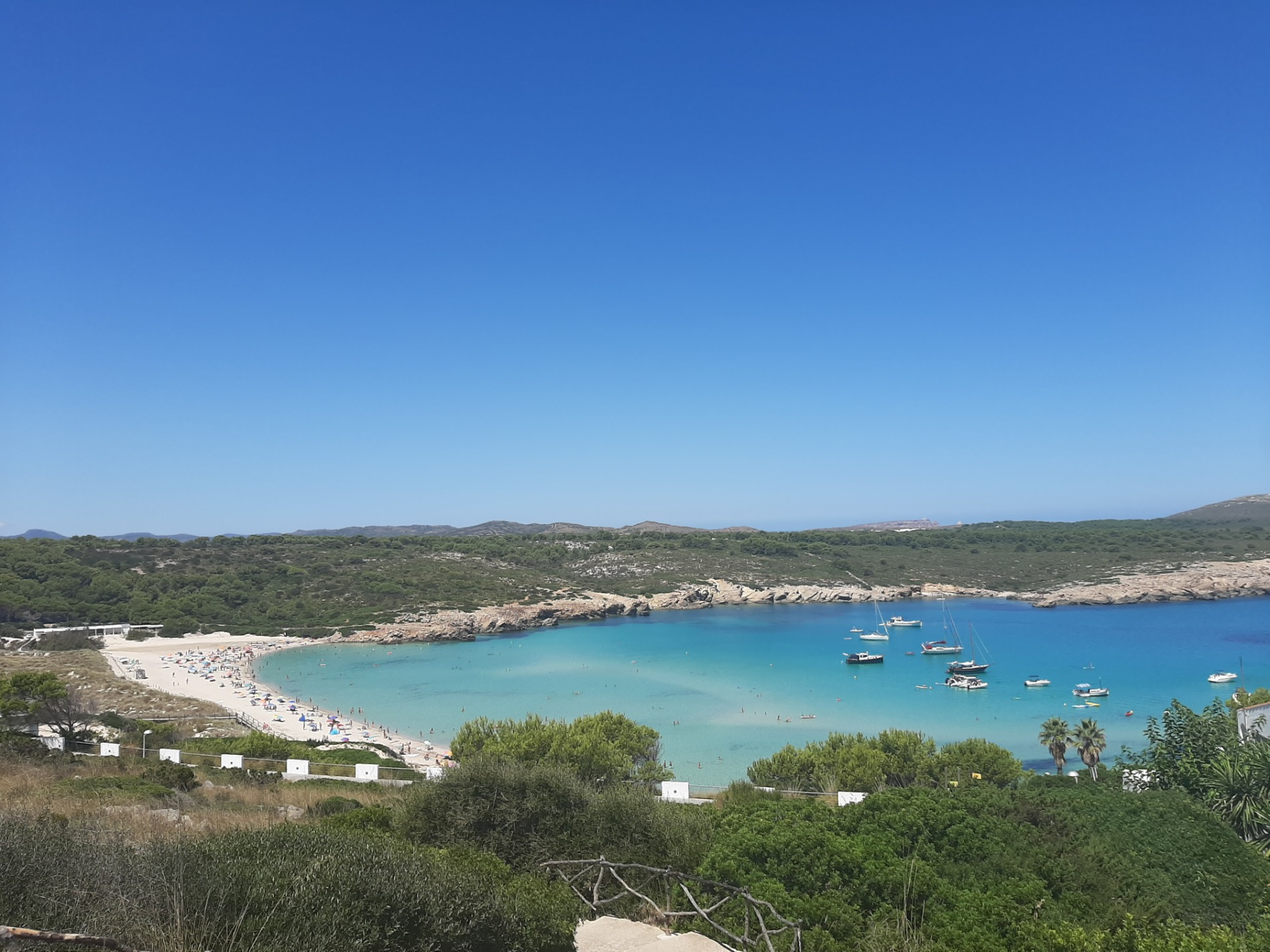
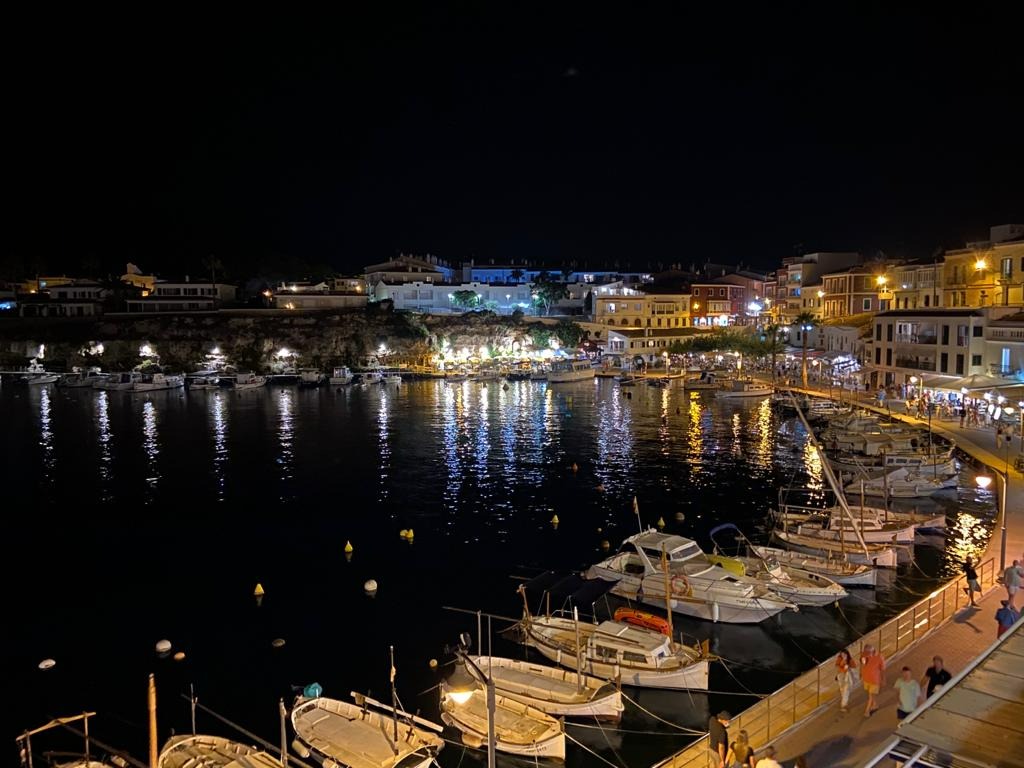
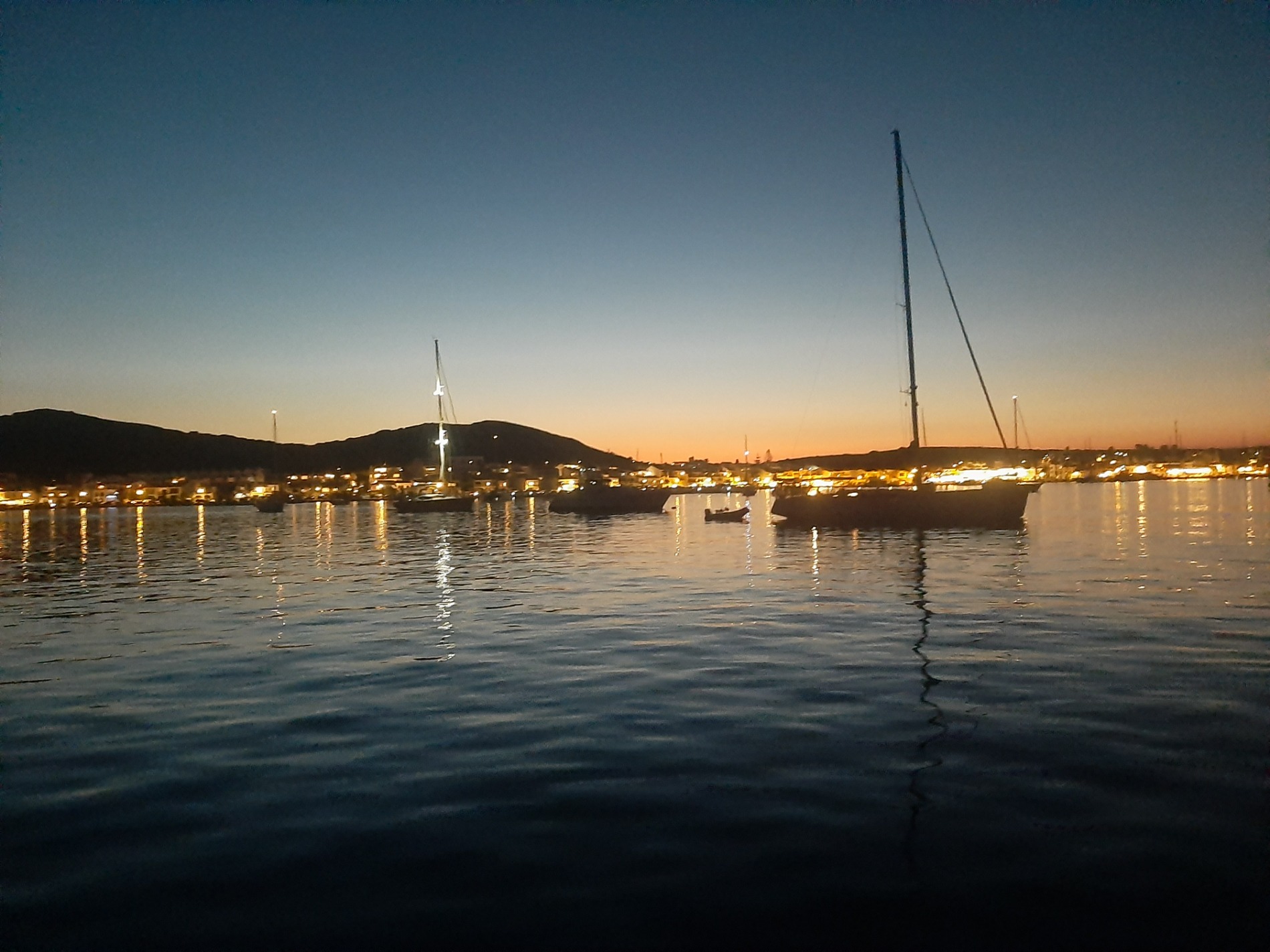
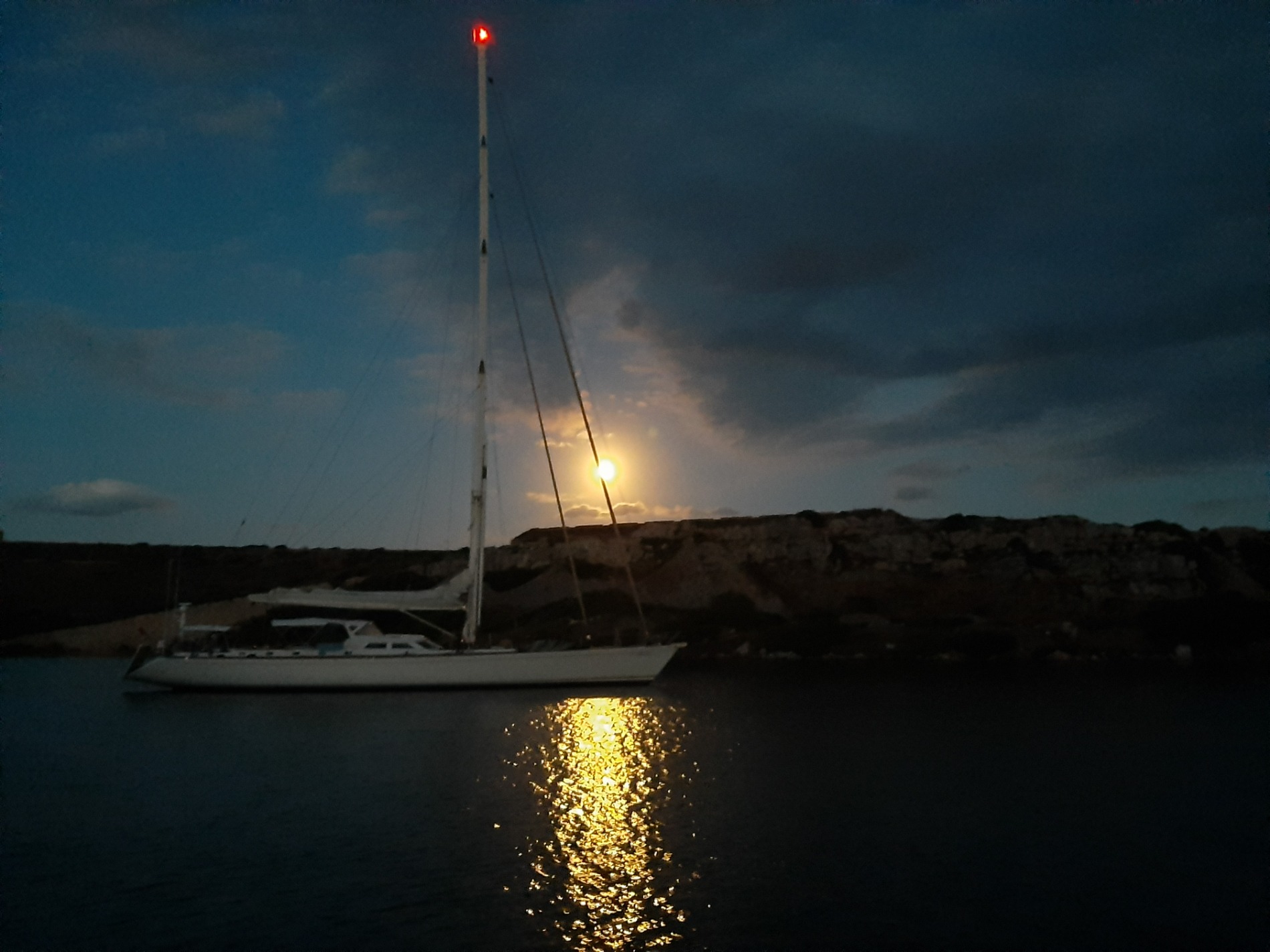
Fornells: idyllic fishing town with white walls and narrow streets, in which the large bay that serves as a shelter from the northern storms stands out. Impressive to see at night from the cockpit of the ship, both its long promenade and the numerous masts with the masthead light on. There are numerous buoys to protect the Posidonia and a special place to practice water sports such as windsurfing, kitesurfing and kayaking... It is famous for its spectacular lobster dishes and soups.
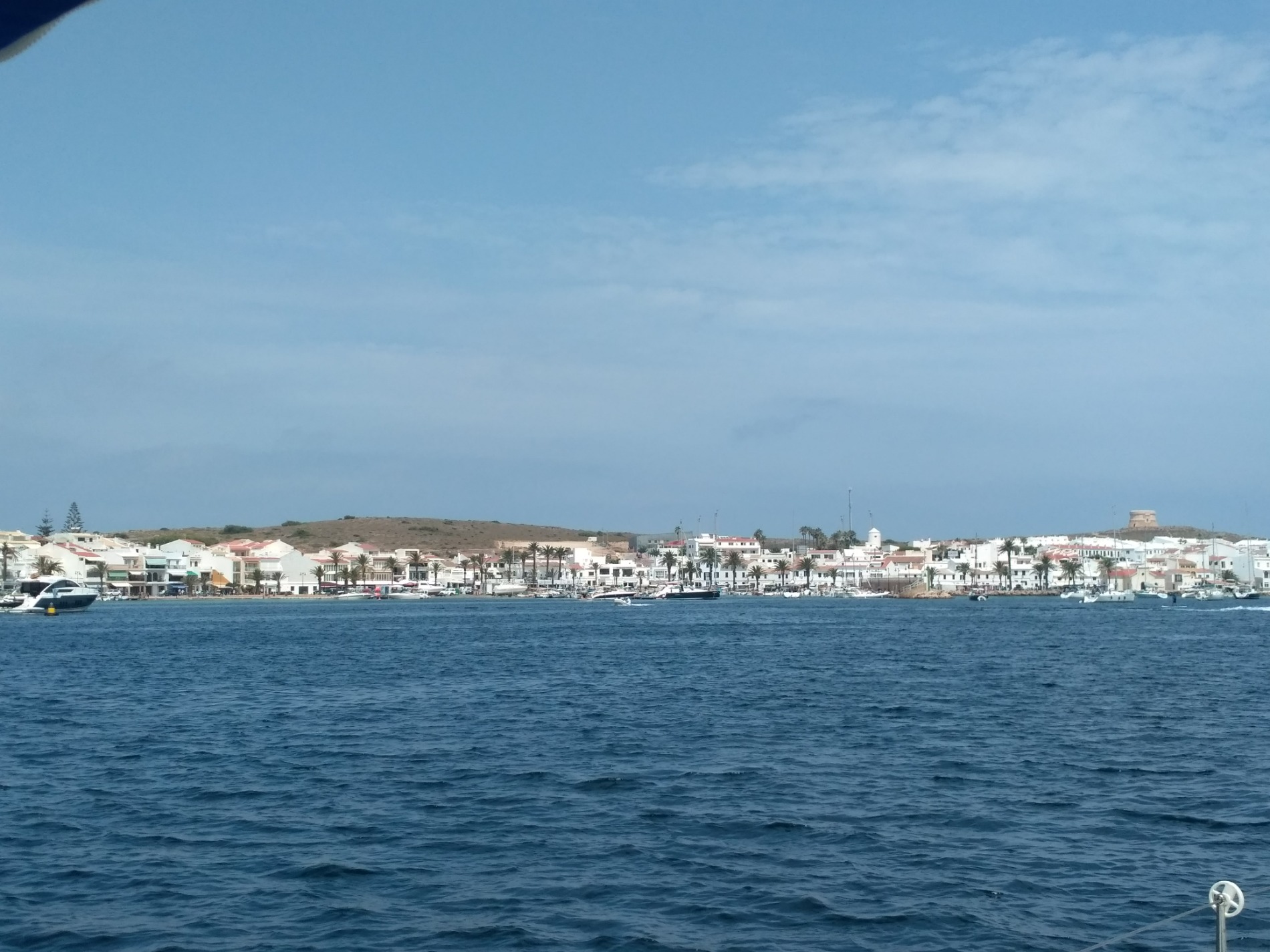
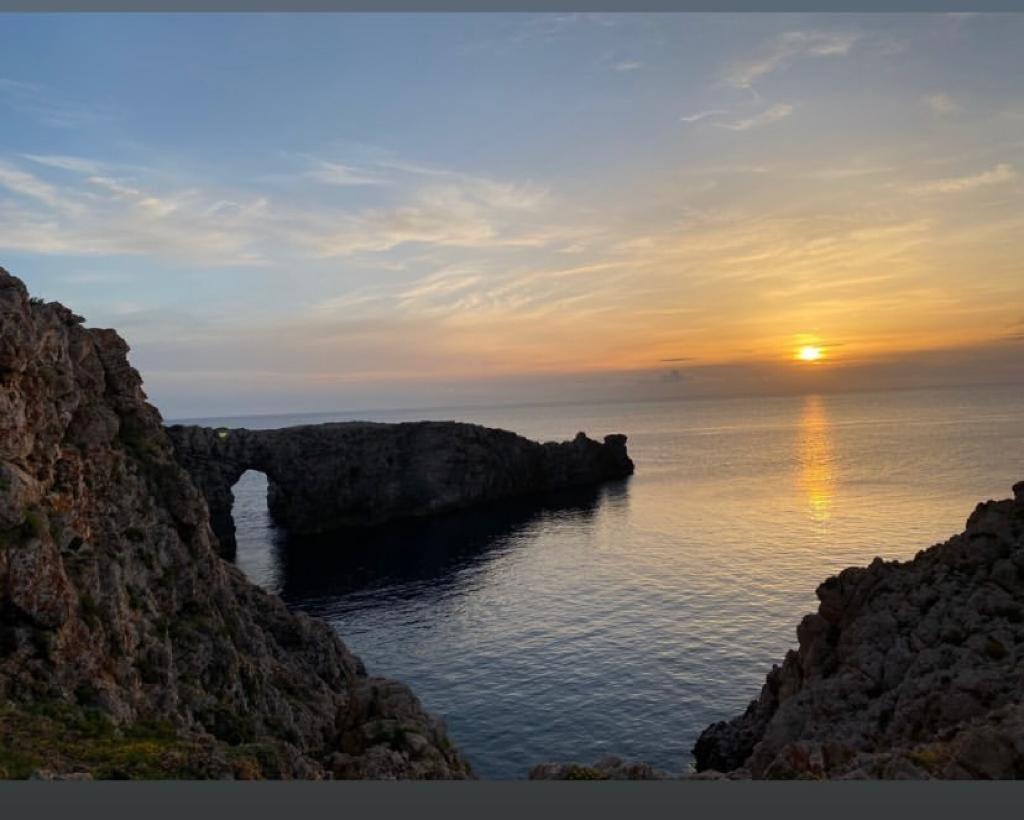
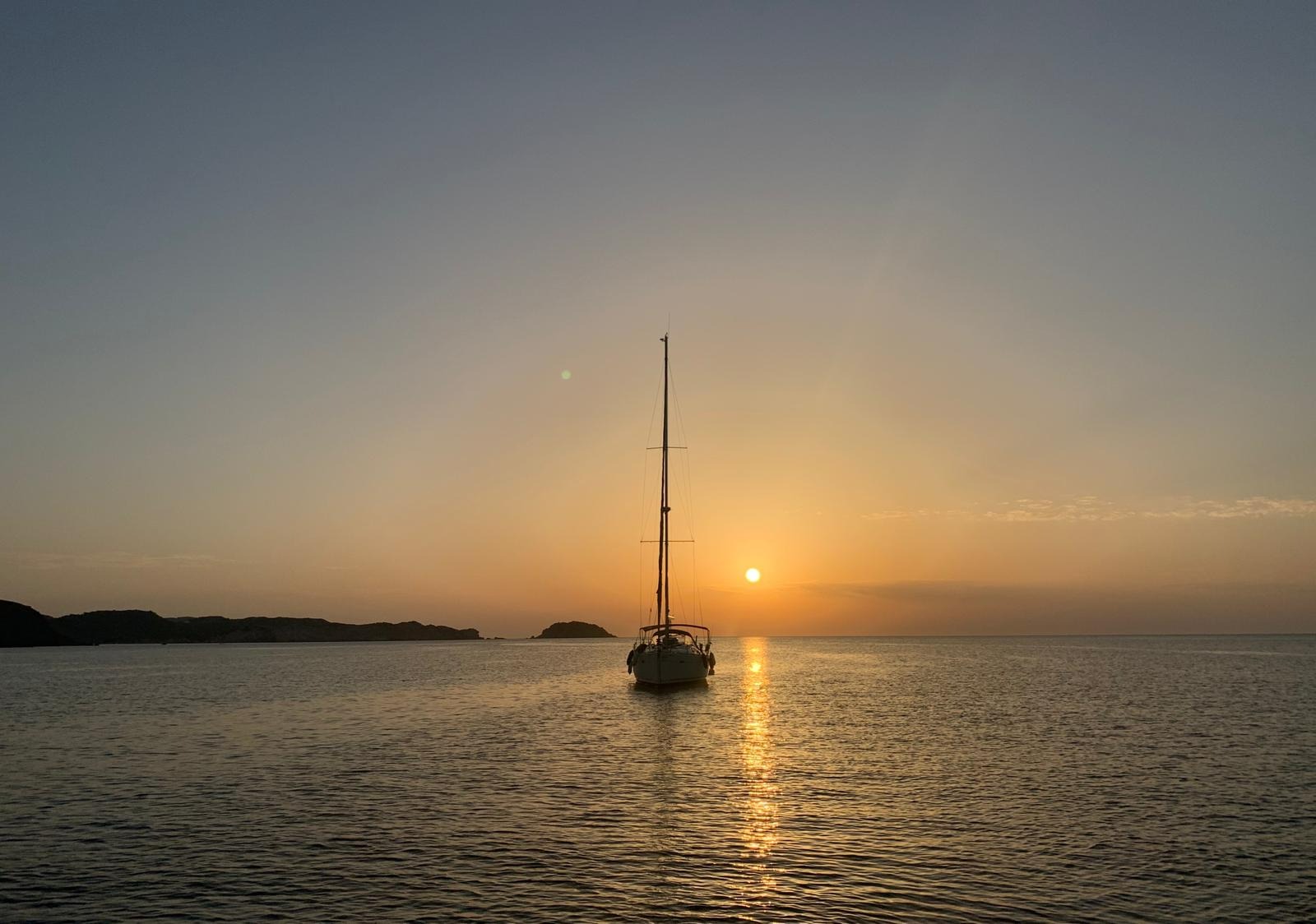
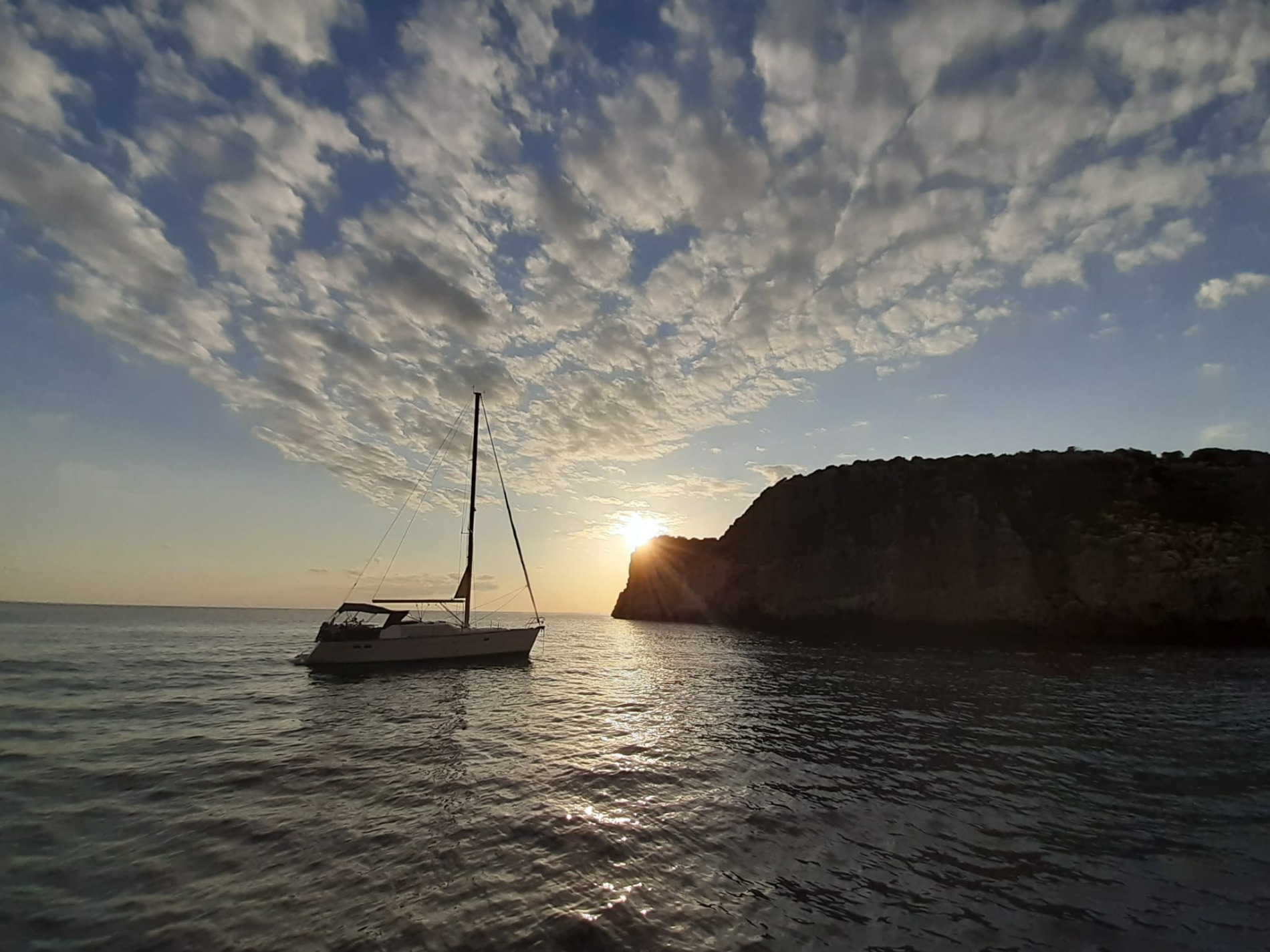
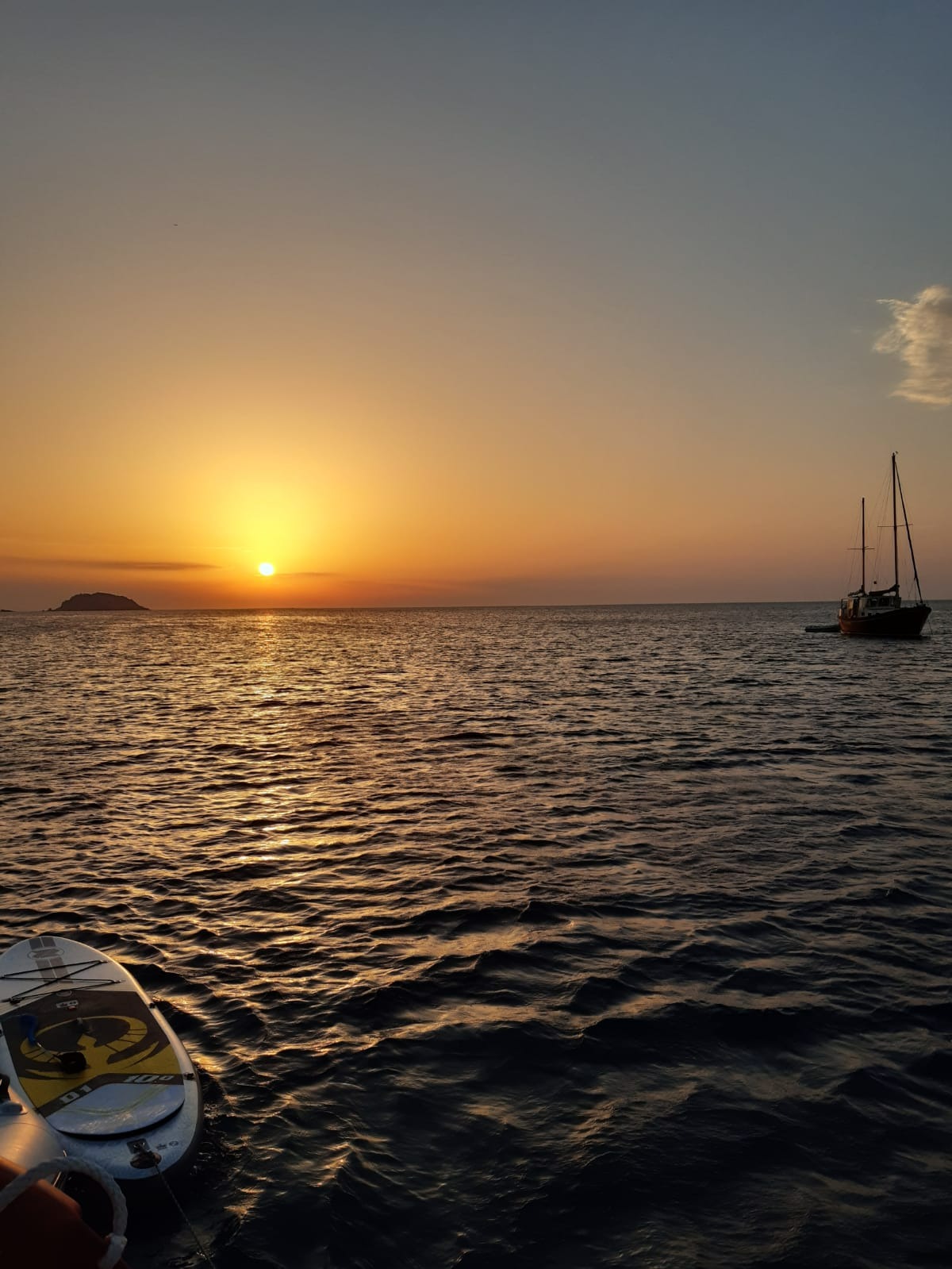
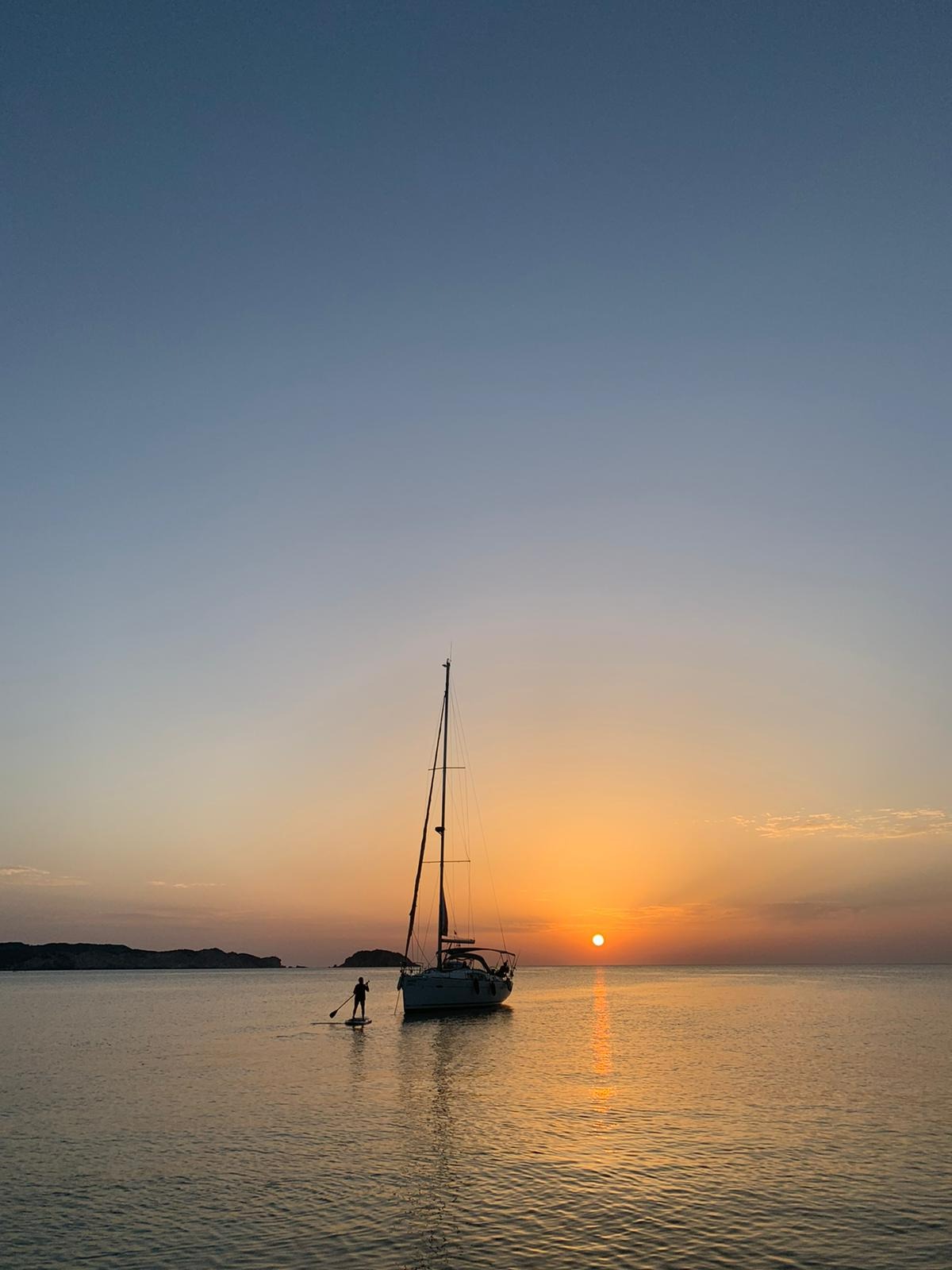
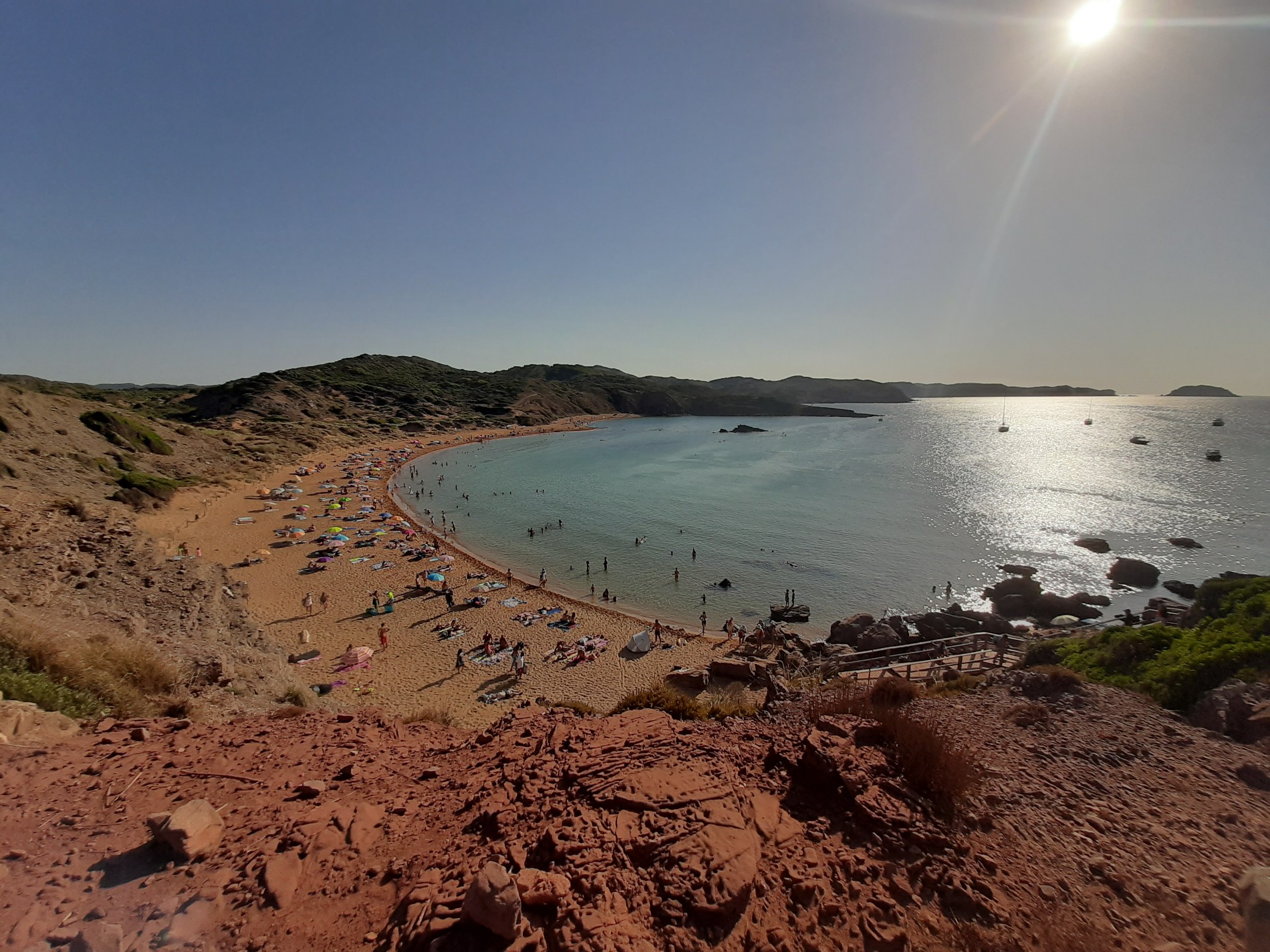
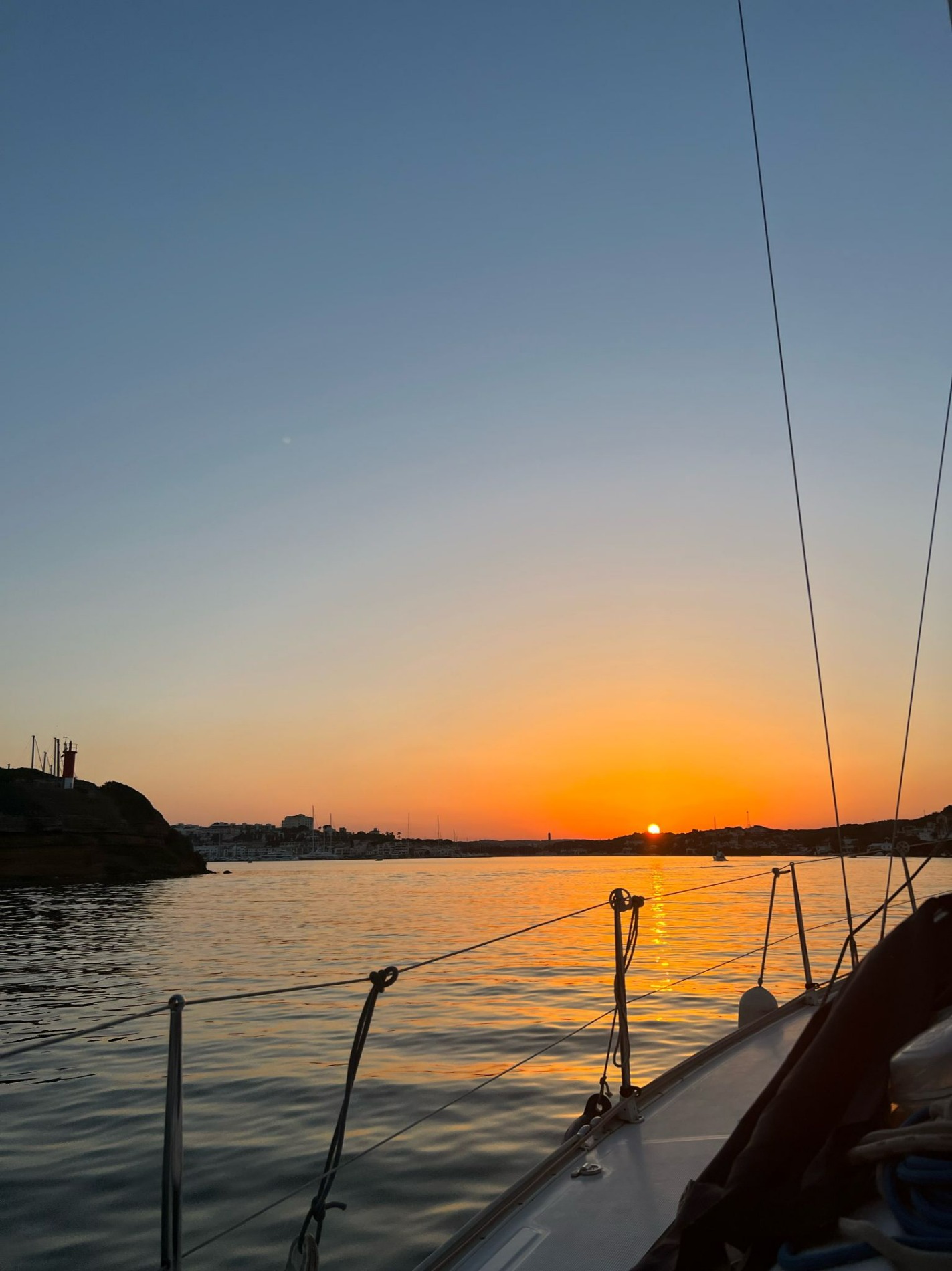
Cavalleria Beach: the largest beach on the North Coast with almost 500 m. long, with reddish sand and surrounded by wild nature. On summer nights it is the best place to watch the sun melt into the horizon at sunset.
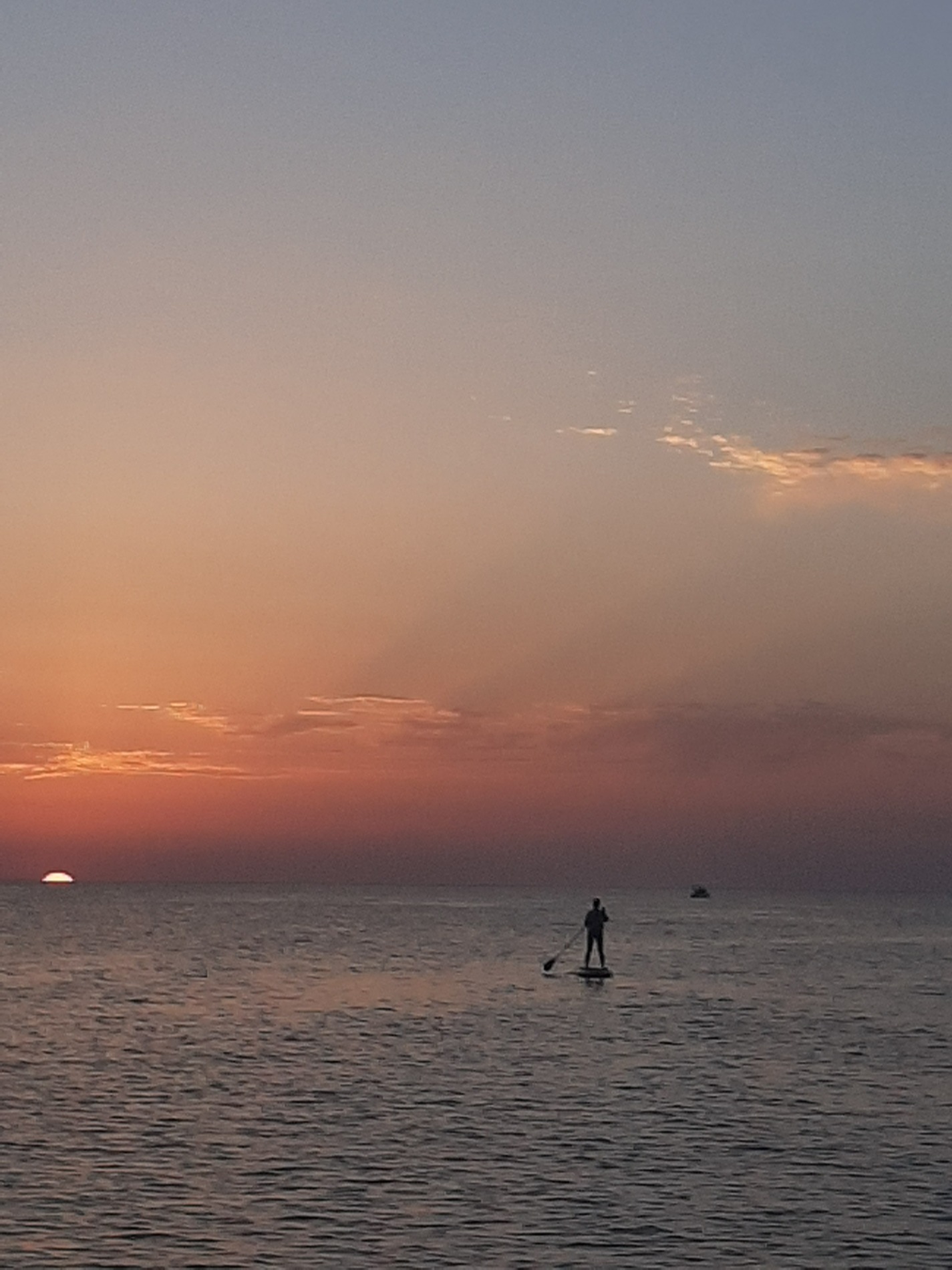
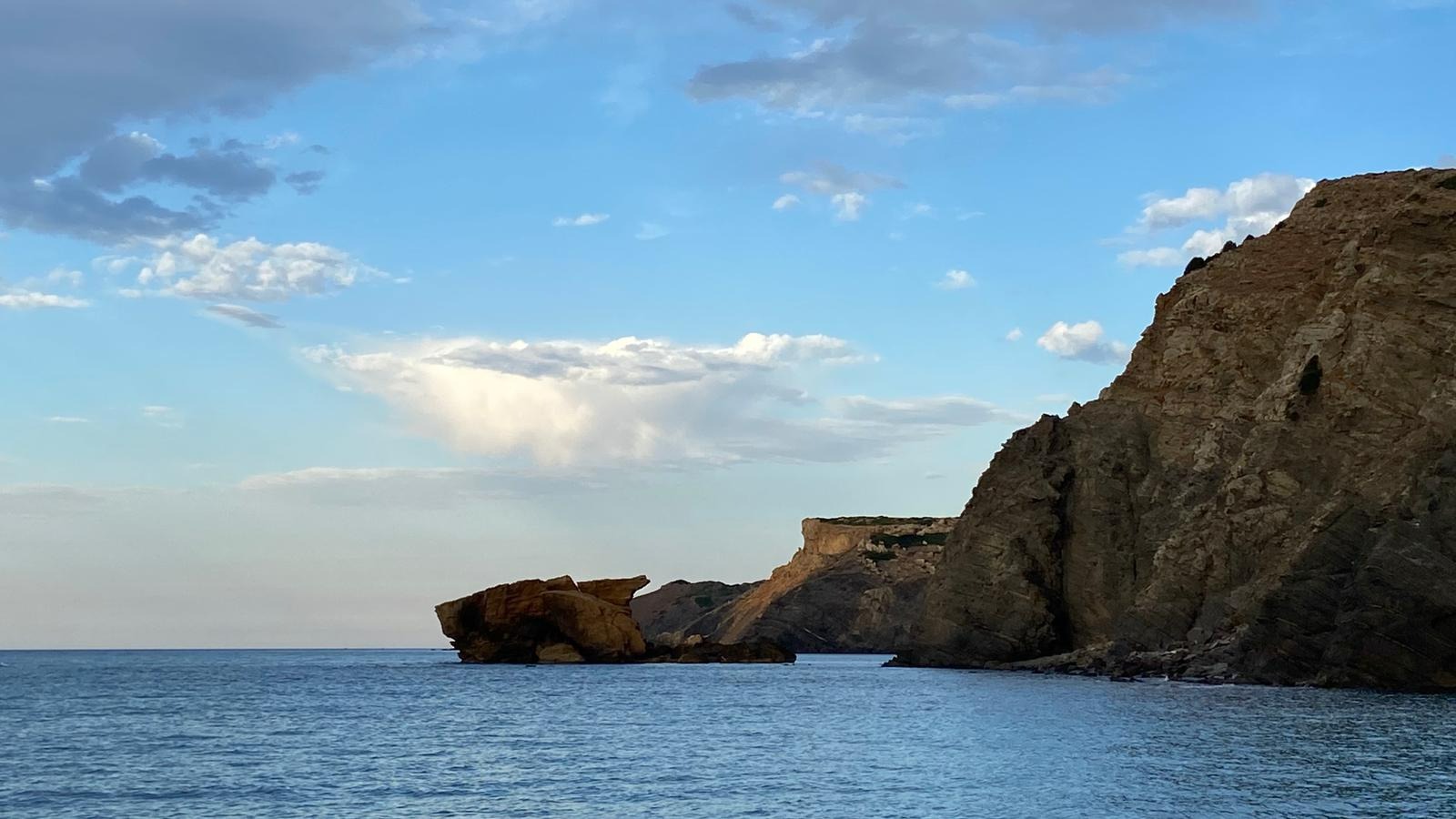
Cala Pregonda: possibly one of the most beautiful coves on the island. Sheltered between two massifs and with an islet that protects it, it has a reddish sand beach that shines at dawn. Its large number of reefs makes it a beautiful place to snorkel. It can get busy in summer but still essential.
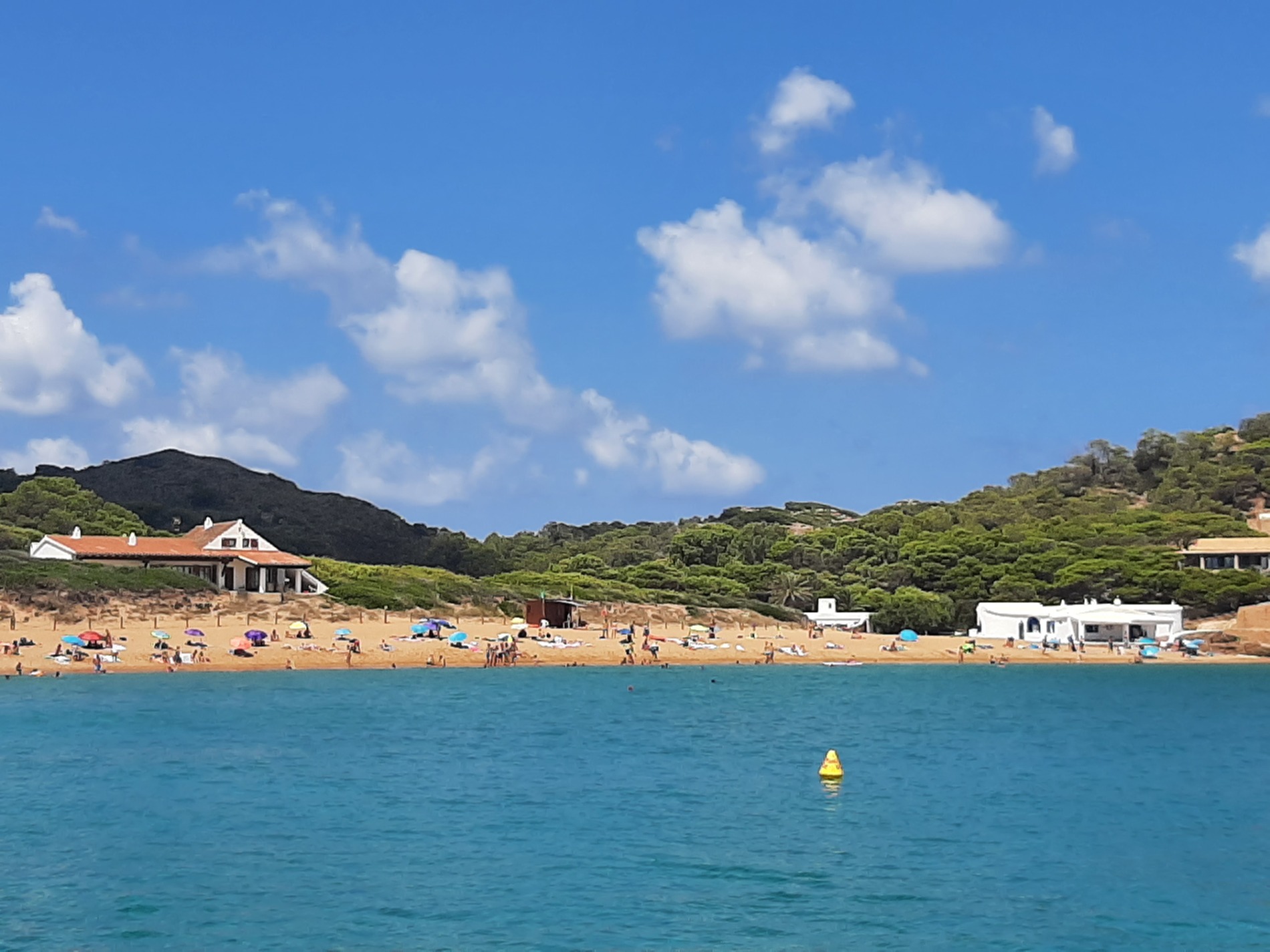
Cala Pilar: one of the most beautiful hidden places on the island. Lonely because access by land requires a long walk. Exposed to the sea and with some reefs, it is only advisable to anchor on days with calm seas.
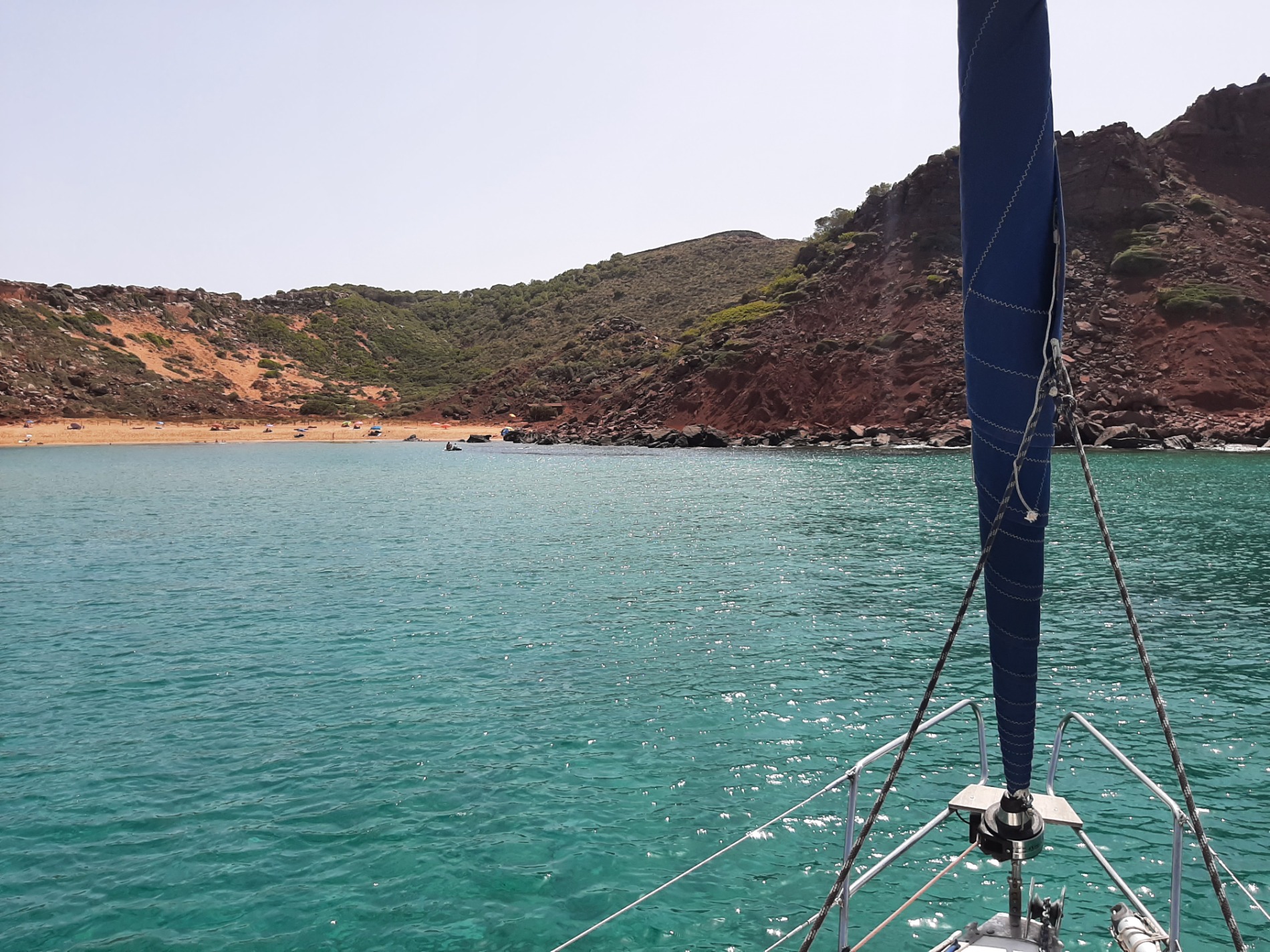
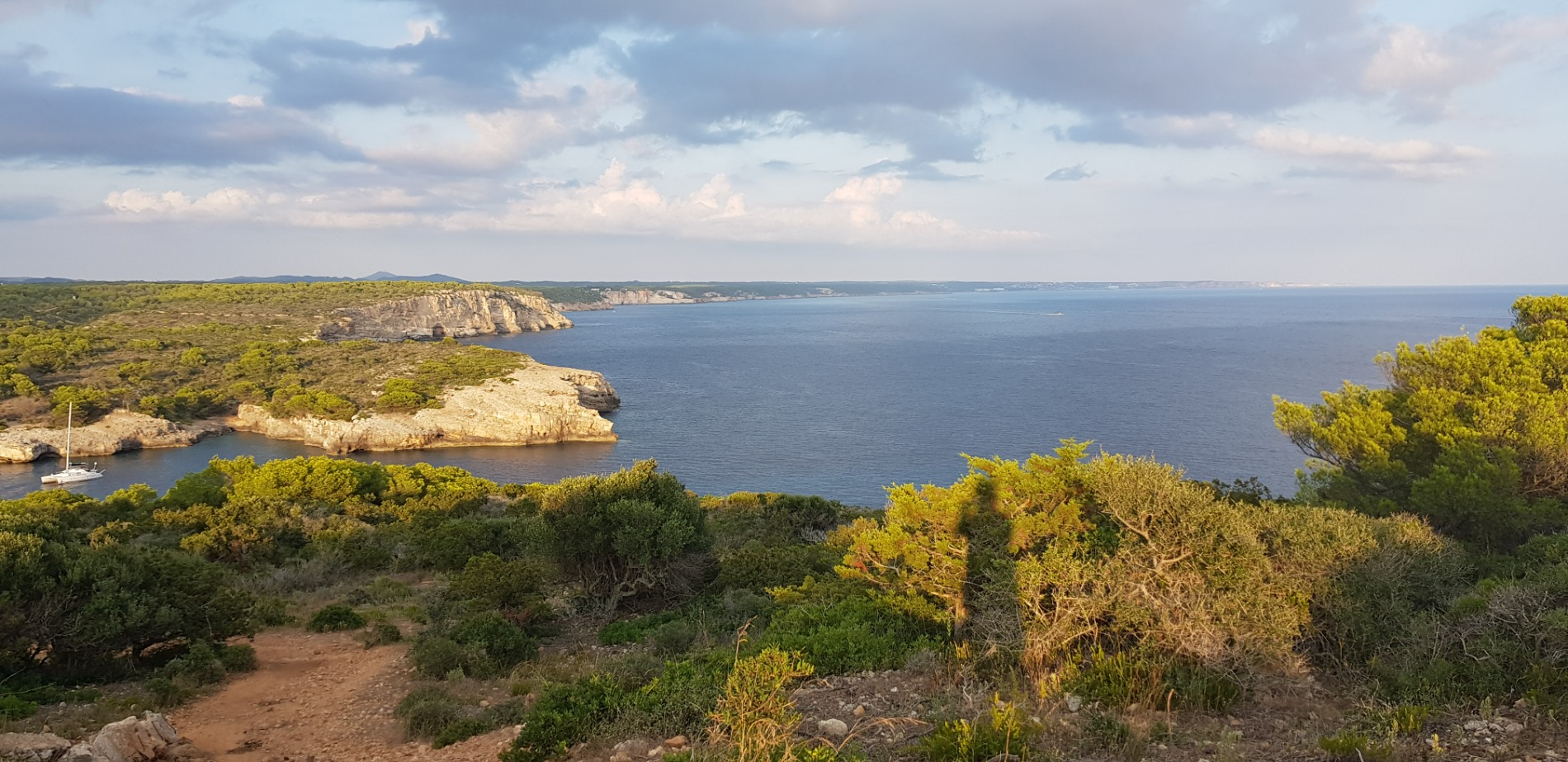
Cala Algaiarens: another unmissable visit in the North, this wide cove is perfect for anchoring, enjoying the splendid sunset and spending the night. It is made up of two beaches, Platja d'es Tancats and Platja d'es Bot. In the latter, there is a stream and sometimes you can see turtles living in the pond behind it.
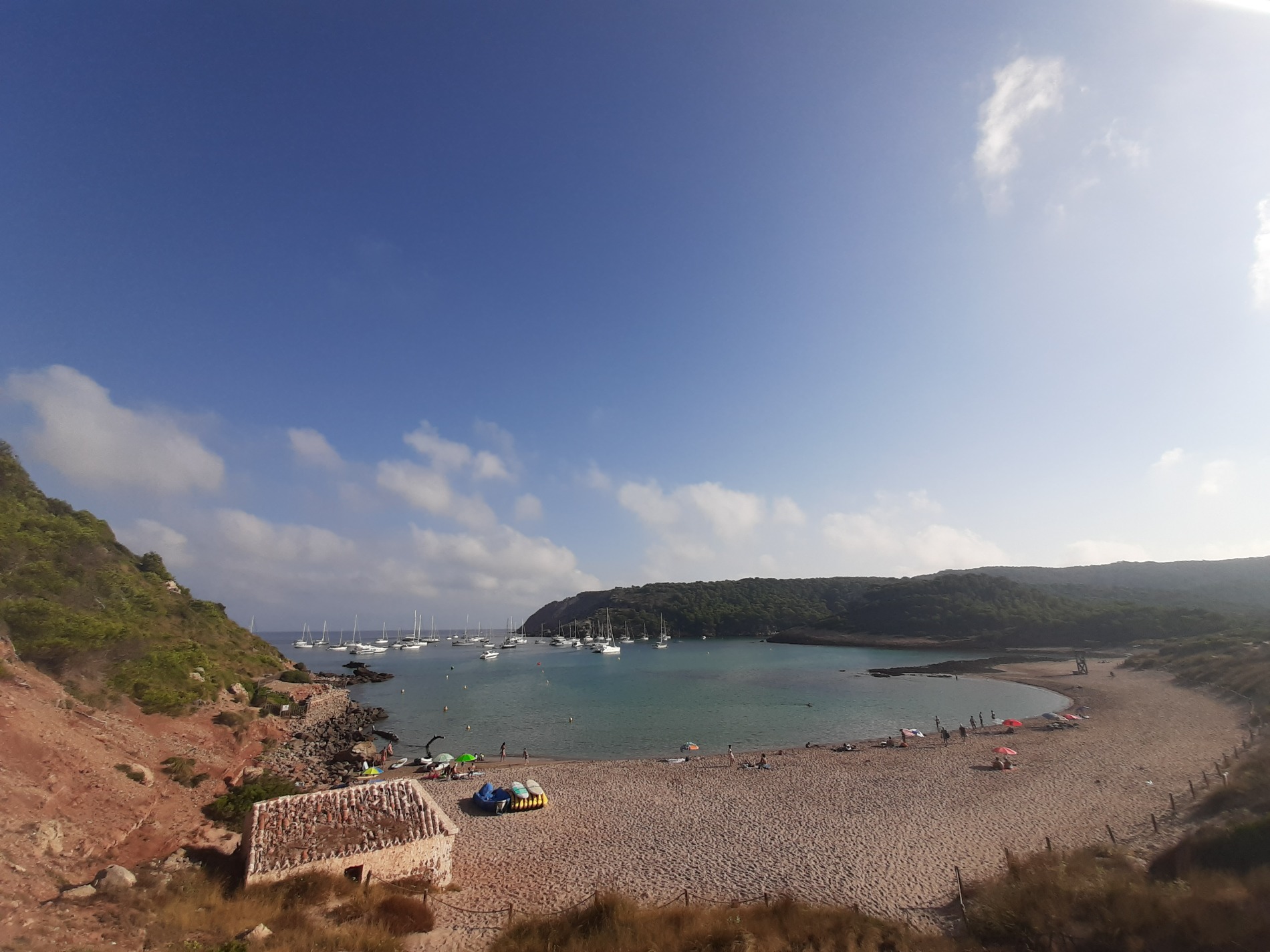
S’Amarador: is a steep rock cove without sand that is usually visited by sea from Ciutadella due to its proximity. It is a quiet place sheltered from land tourism and one of the places with the most beautiful turquoise blue water on the whole island.
Sailing from Ciutadella to Mahón in the South:
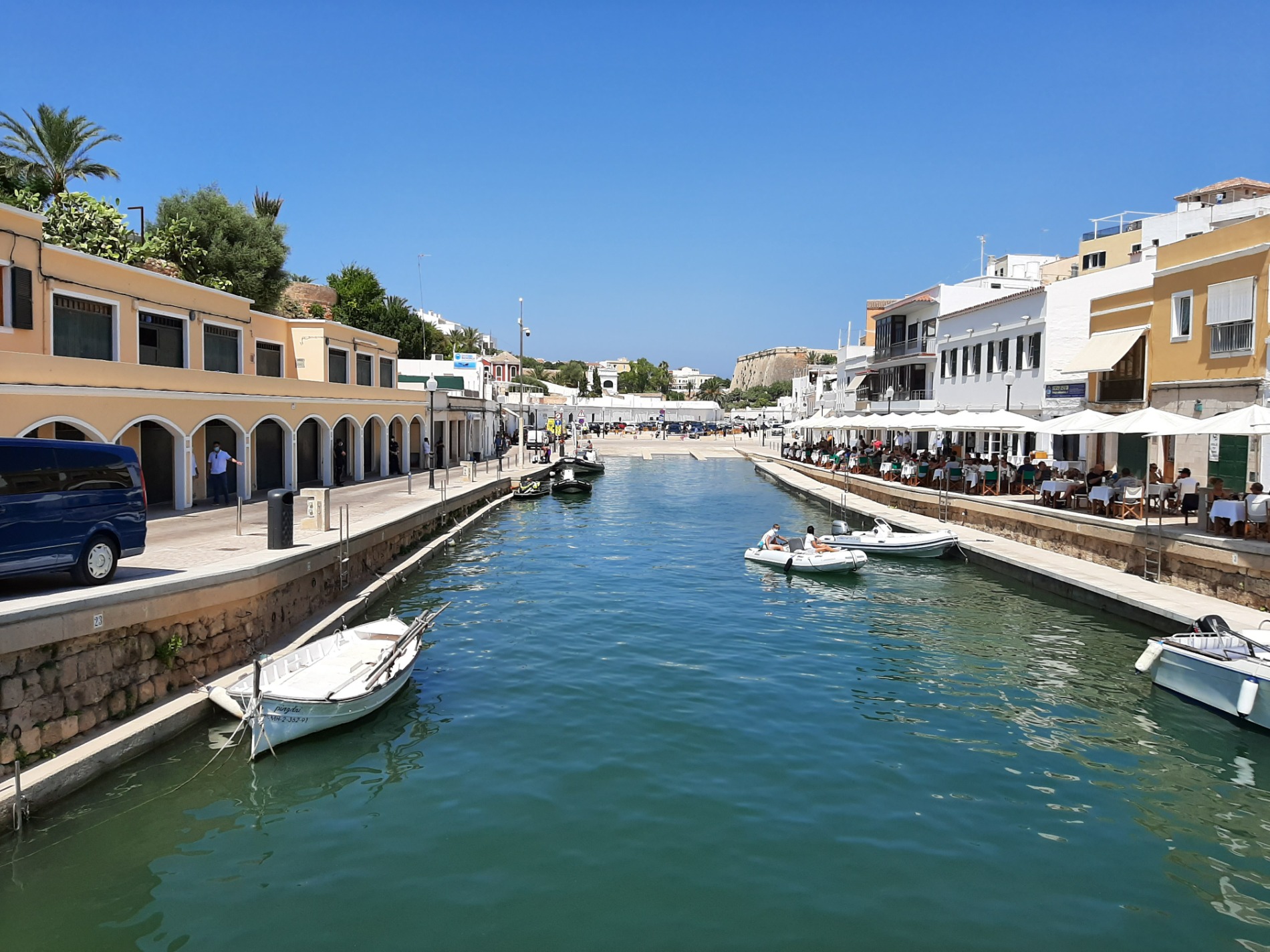
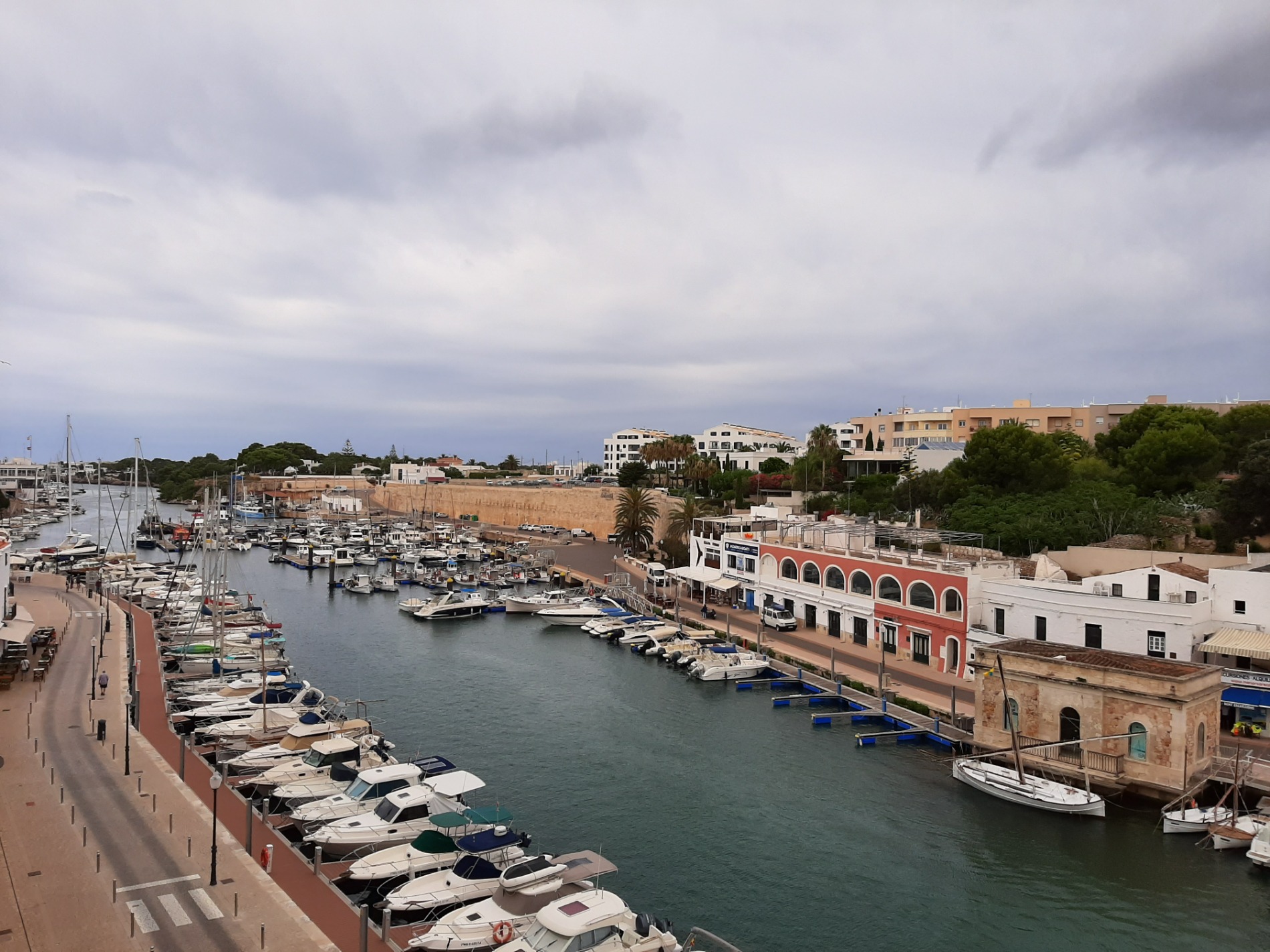
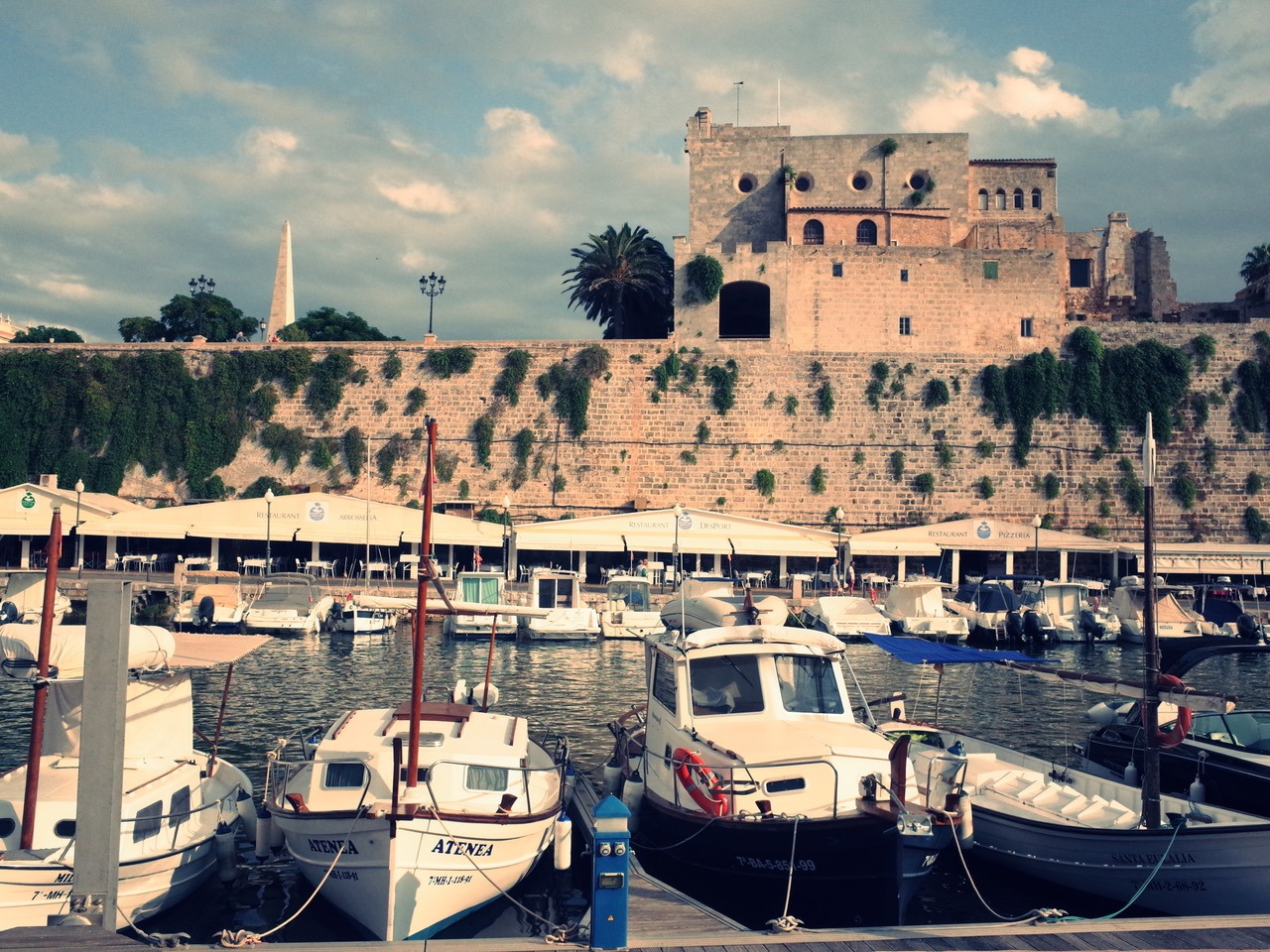
Ciutadella: with its pedestrian historic centre full of stately palaces, cobbled streets and numerous stone buildings, Ciutadella is one of those places that you fall in love with and never forget. Getting lost in its streets and sitting on a terrace in the historic centre and in its spectacular port at sunset is one of the must-sees on the island. Known for its famous San Juan Festival where horses and people mix in the street in the so-called "Jaleo".
Son Saura: beautiful white sand beach from where you can see magnificent sunsets that, due to its vegetation and water colour, are reminiscent of Caribbean beaches. A beautiful path leaves its eastern end that leads to the small but charming Cala Es Talaier and you can reach Cala Turqueta.
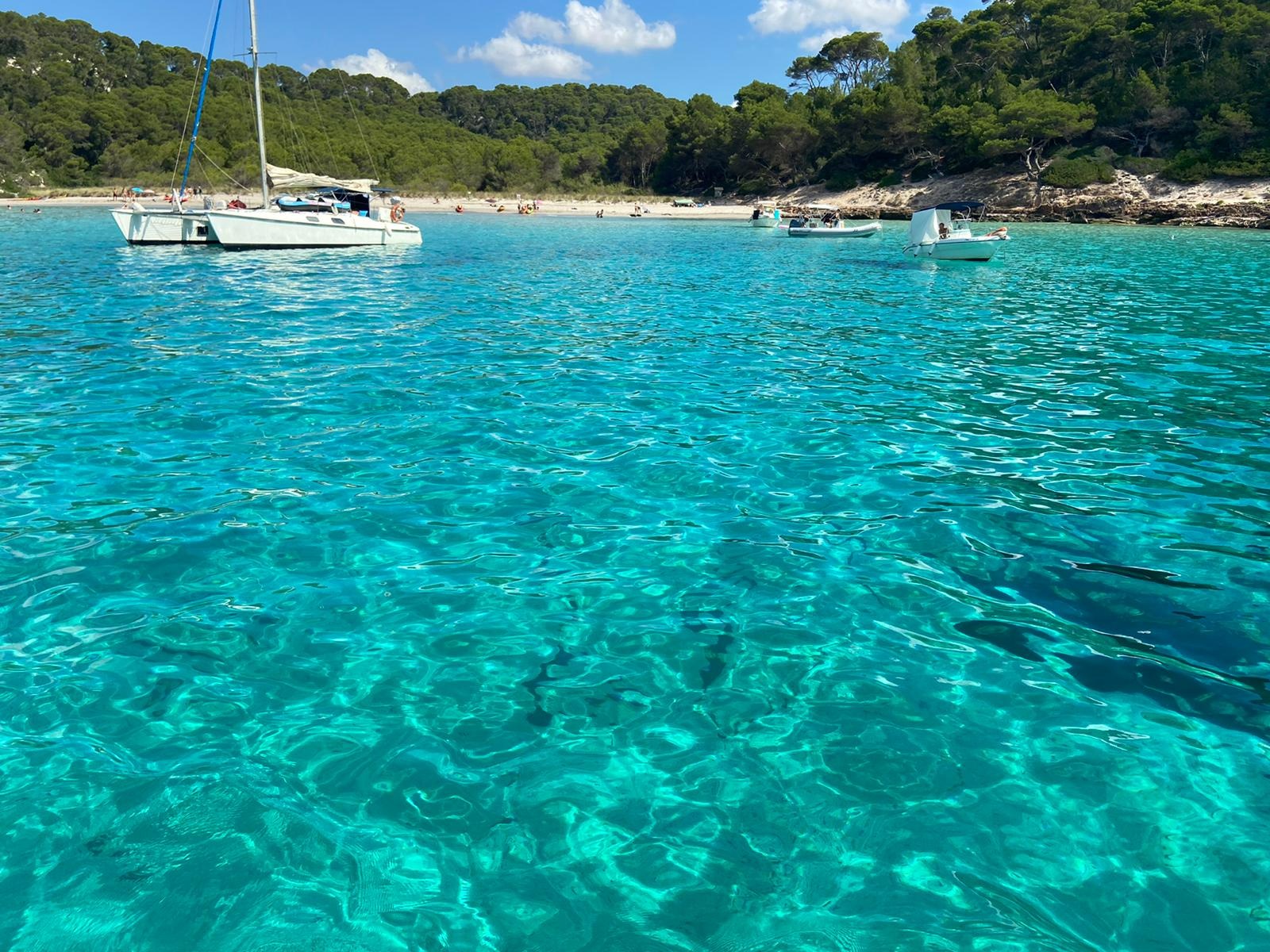
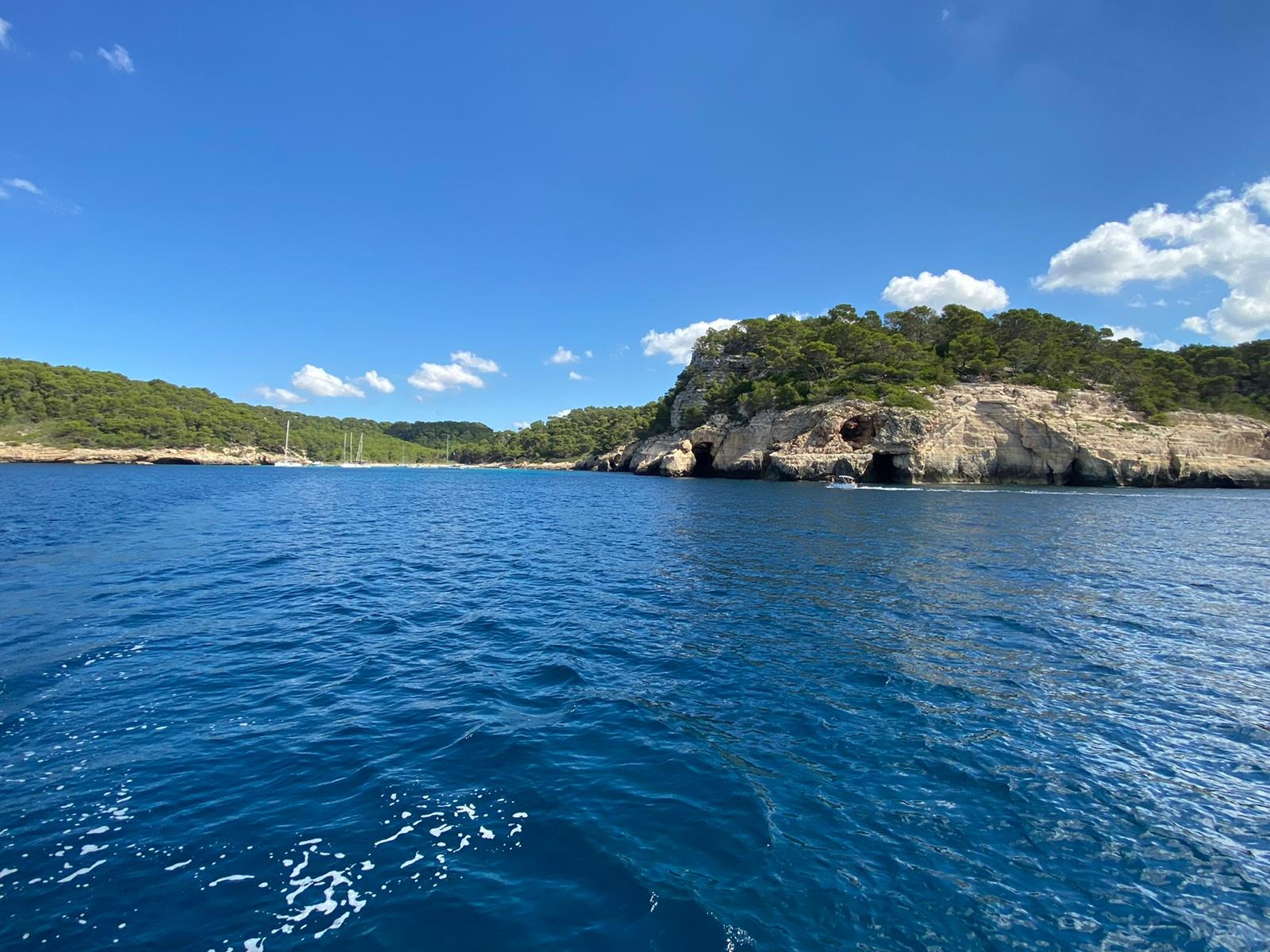
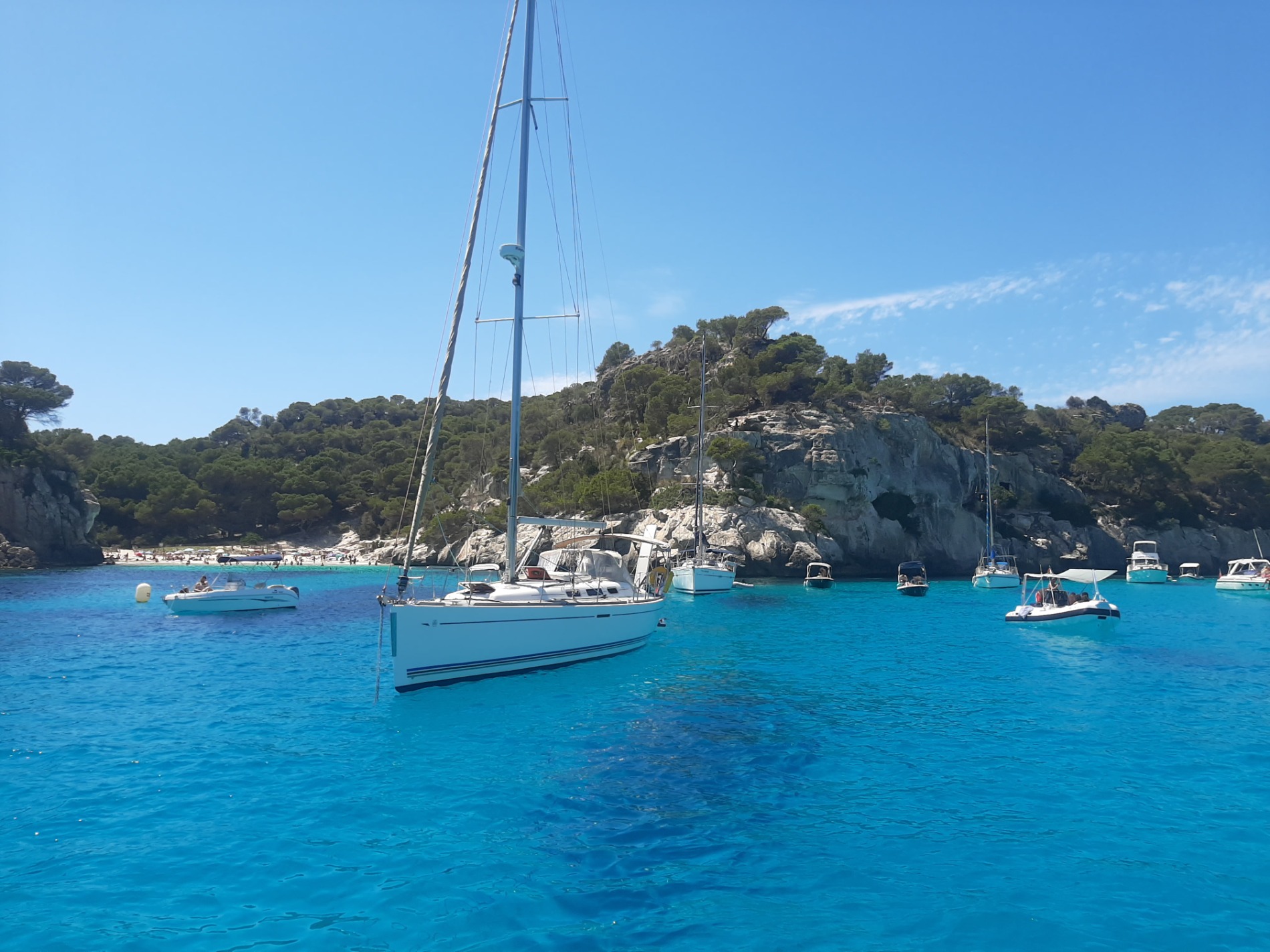
Cala'n Turqueta: possibly the most well known and most visited in Menorca. Its crystal-clear turquoise blue waters, white sand and pine forest give it unparalleled colour and beauty.
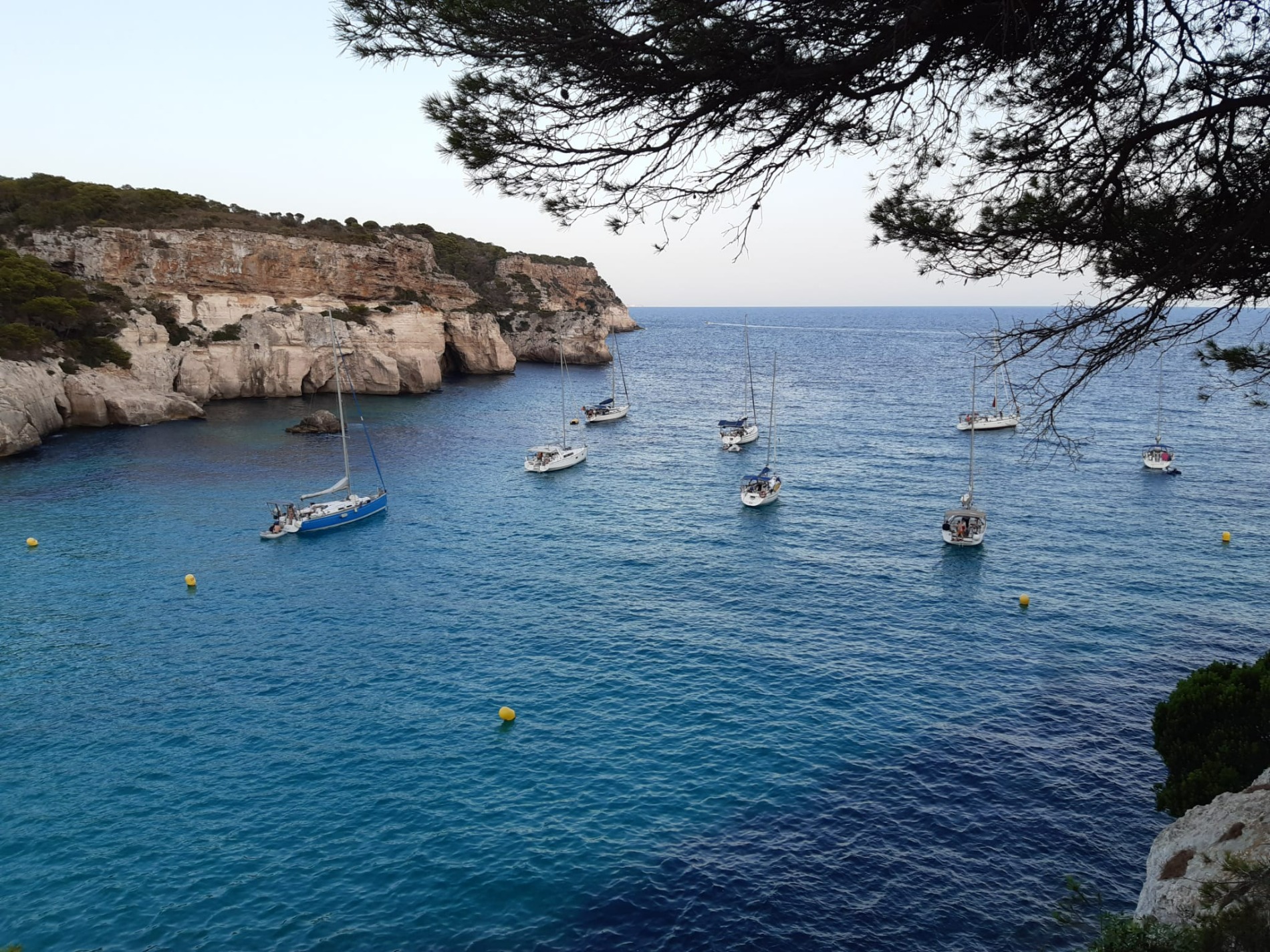
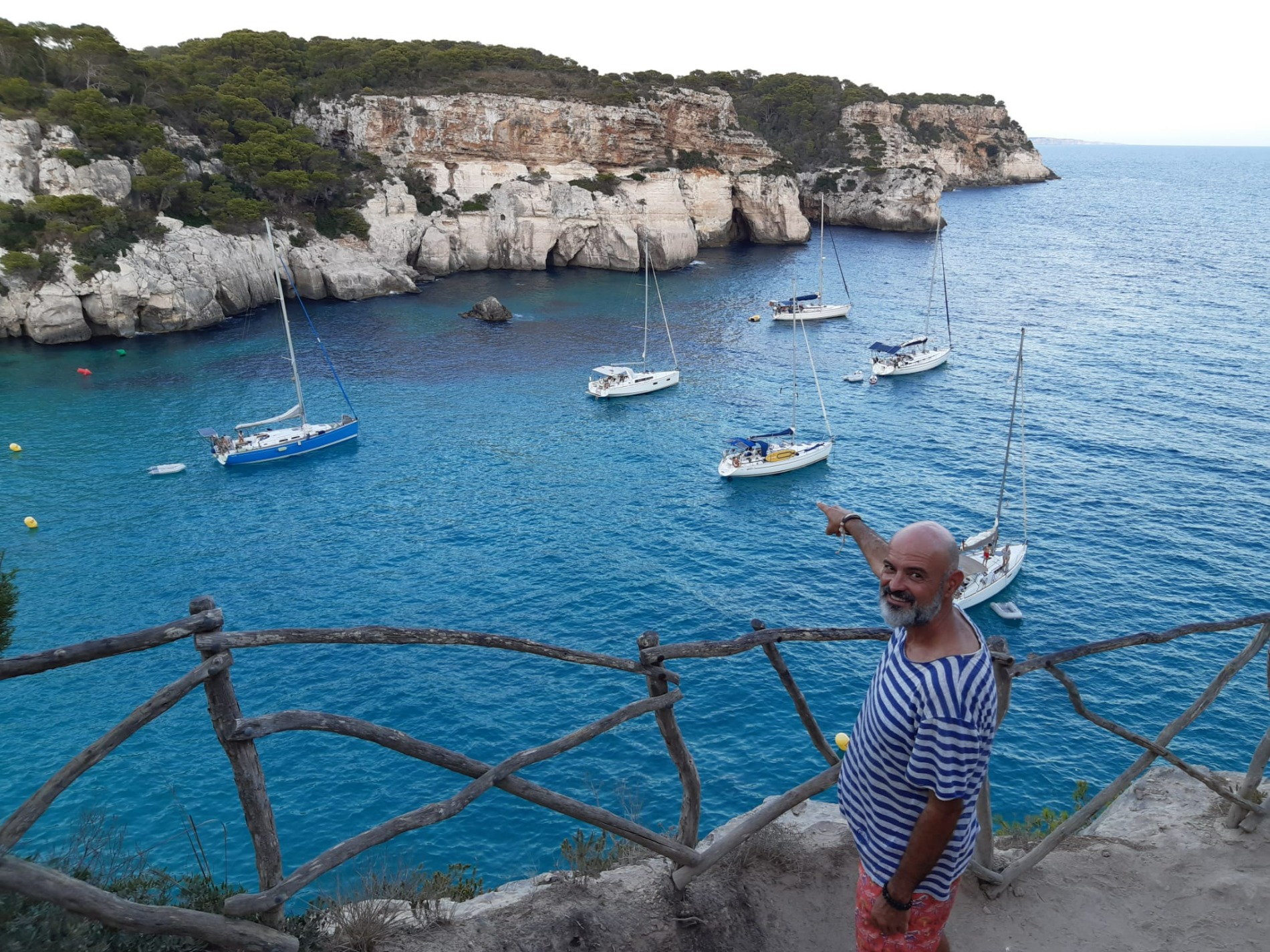
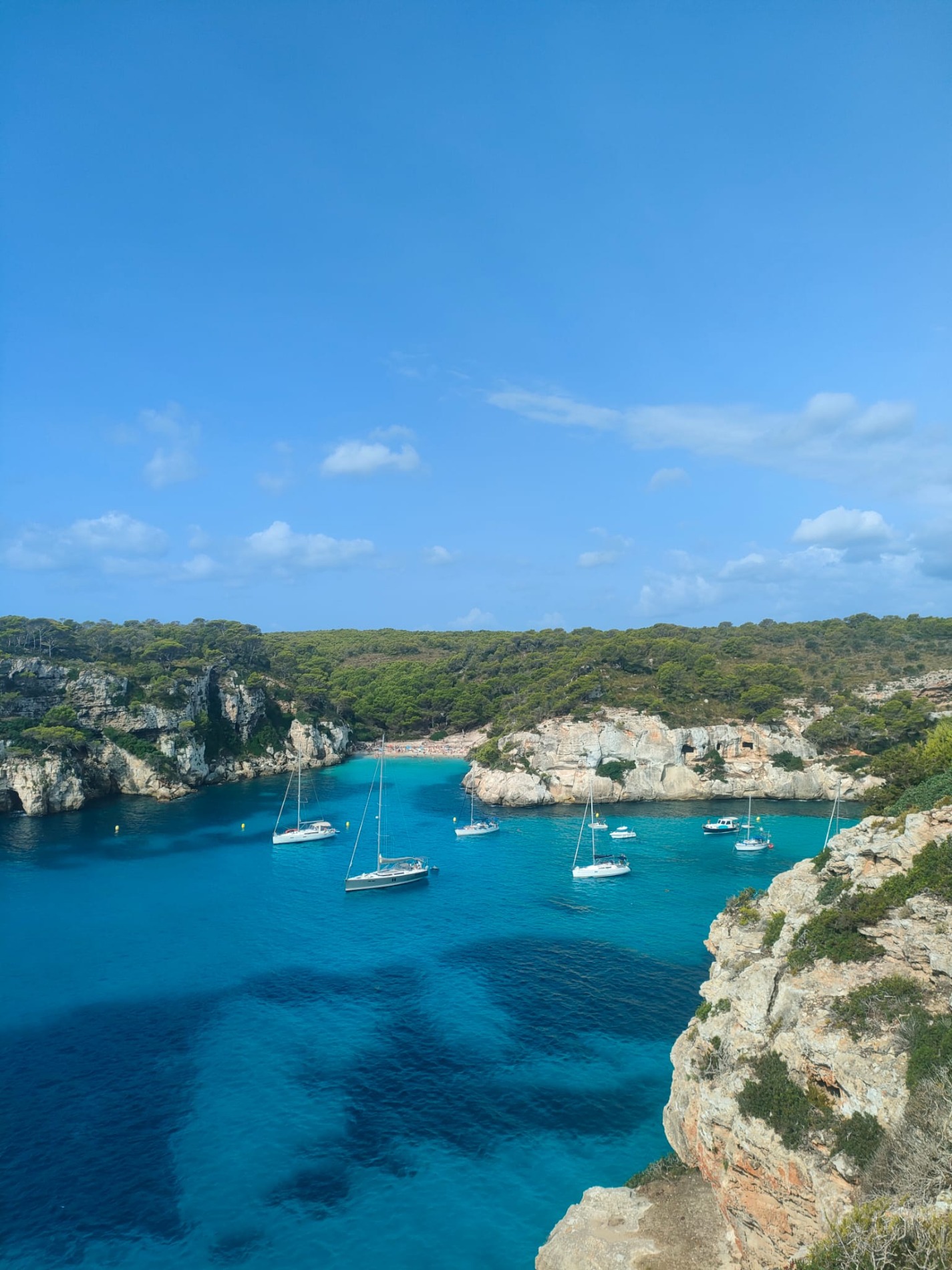
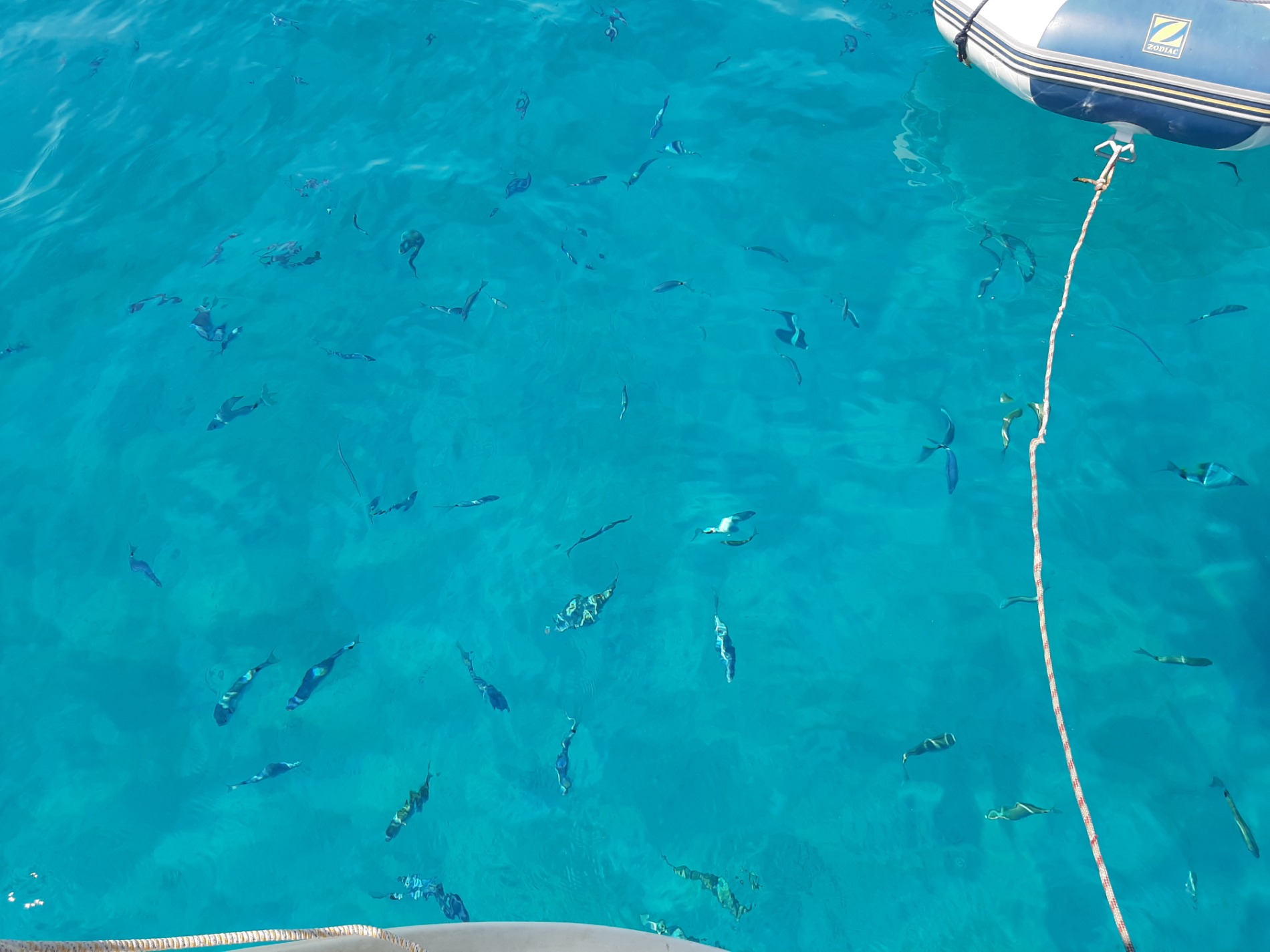
Cala Macarella and Macarelleta: other postcard coves, as beautiful or more beautiful than Turqueta. Macarelleta is a small and idyllic cove adjacent to Macarella that appears on the port side when you enter the cove. Numerous fish, crystal clear waters, Posidonia, all the ingredients to remember this cove. Between Macarella and Macarelleta there is a path with a viewpoint from which to see all the beauty of both coves. A must-see is the Susy beach bar, a family business opened in 1971 that maintains its essence and friendly service.
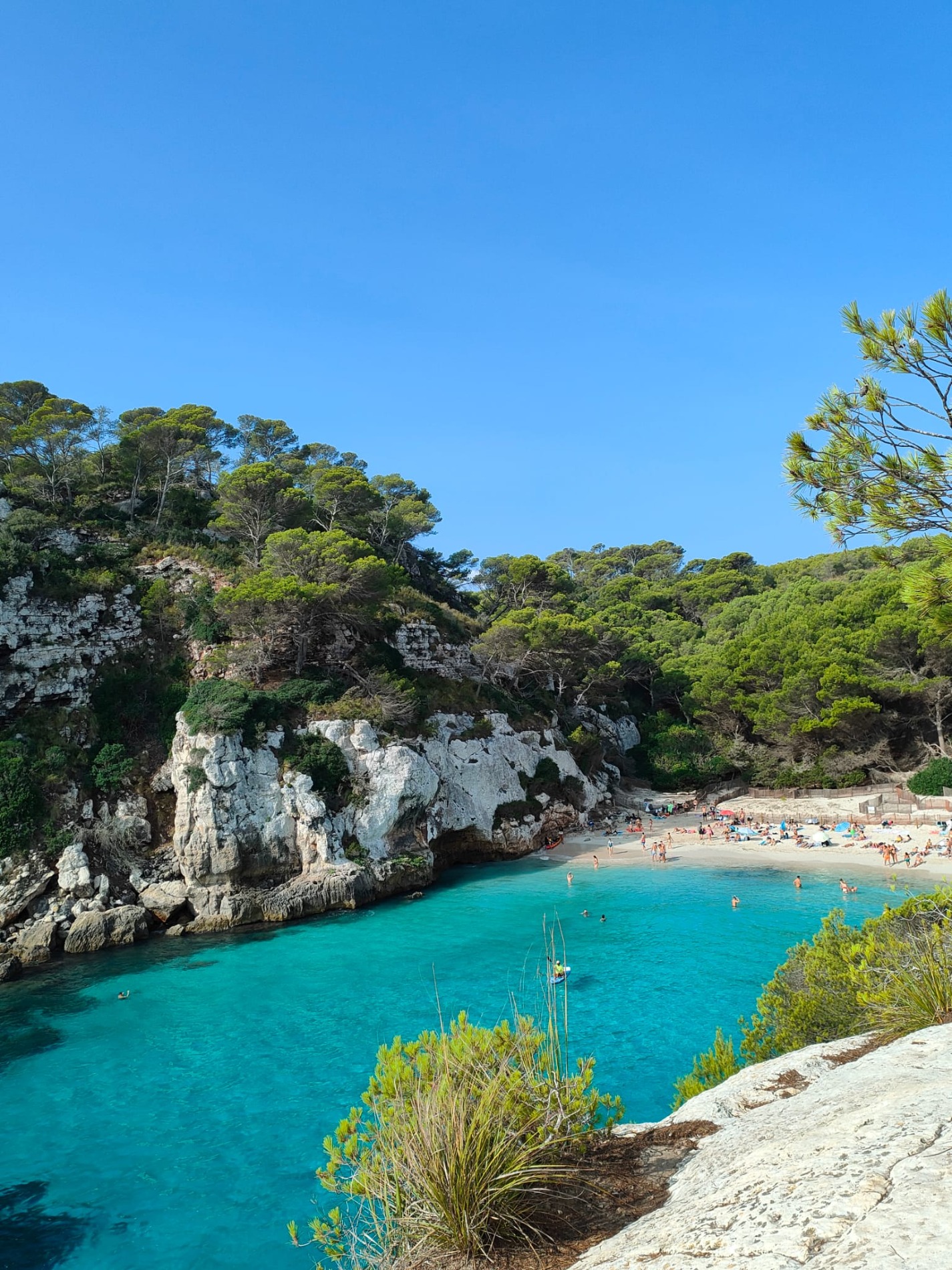
Cala Mitjana: picturesque cove populated by pine trees where the colour of its waters are especially blue. Cala Mitjaneta on its west side is another special place to discover. It is common to see people jumping from the high cliffs surrounding it.
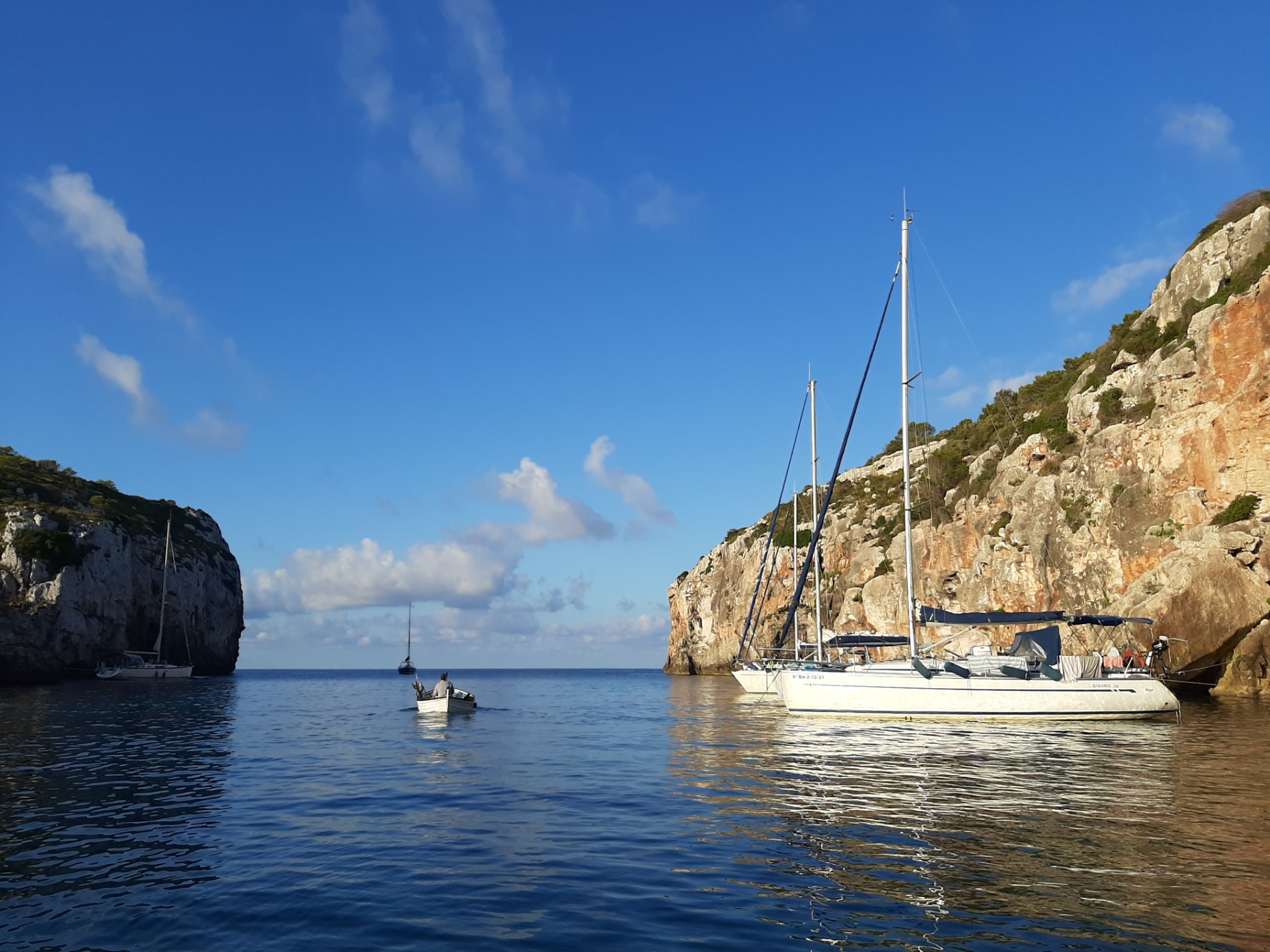
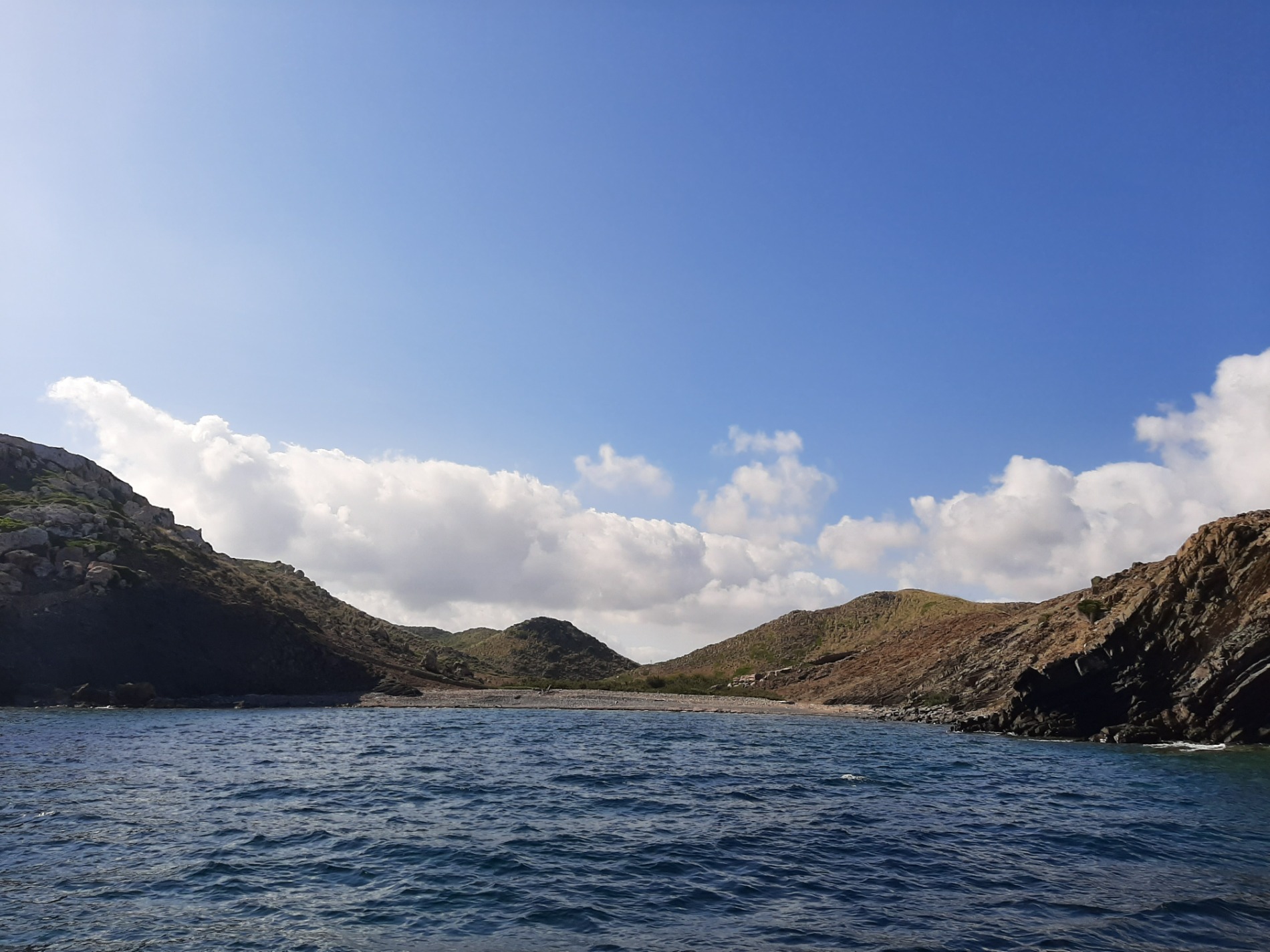
Cala Trebaluger: it is a virgin cove that is long and difficult to access by land and therefore less frequented. On its west side it has a small freshwater river that comes from a torrent, it is highly advisable to navigate it with the auxiliary or paddle surf in the early hours of the morning observing all types of fauna and birds.
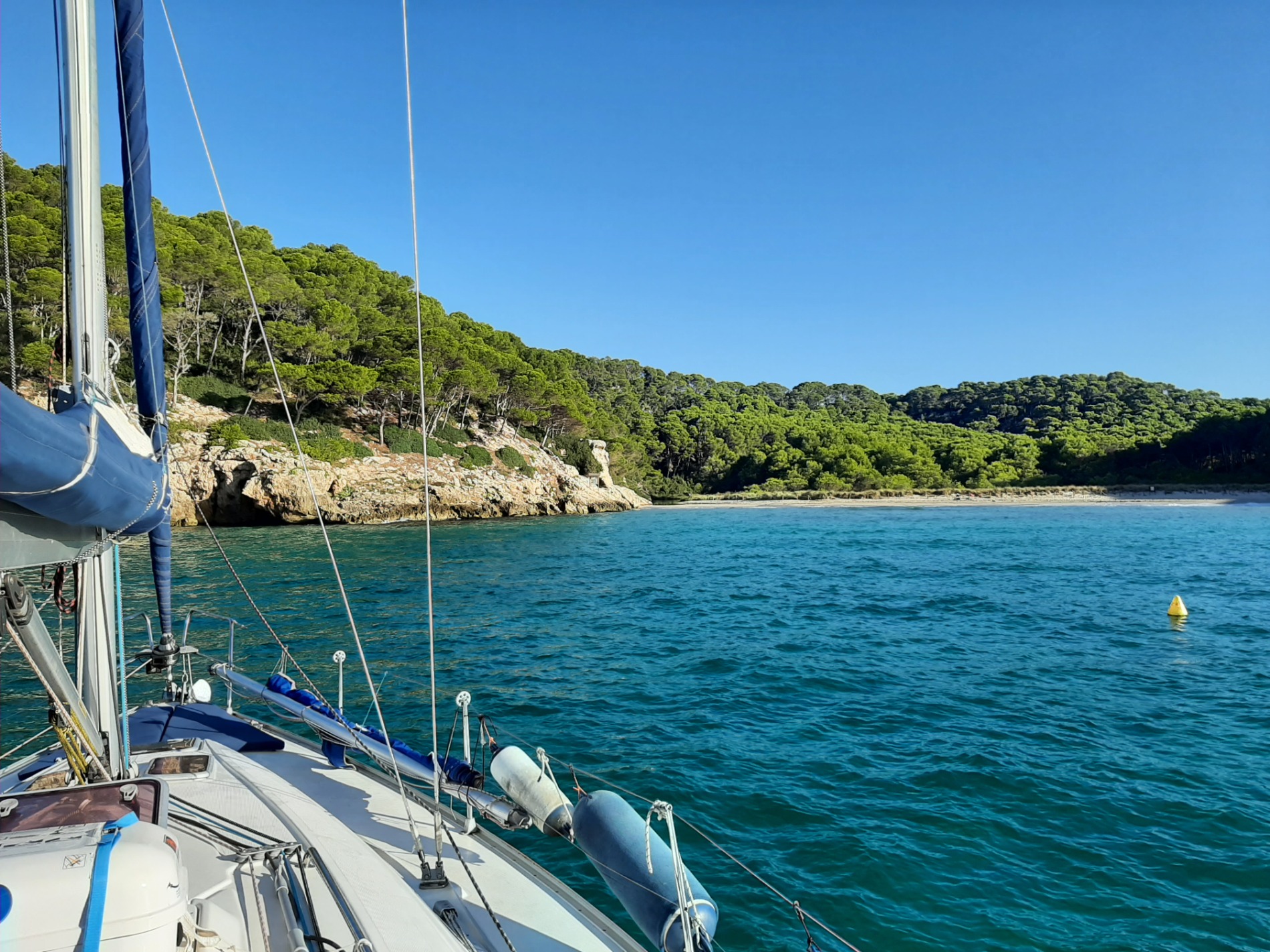
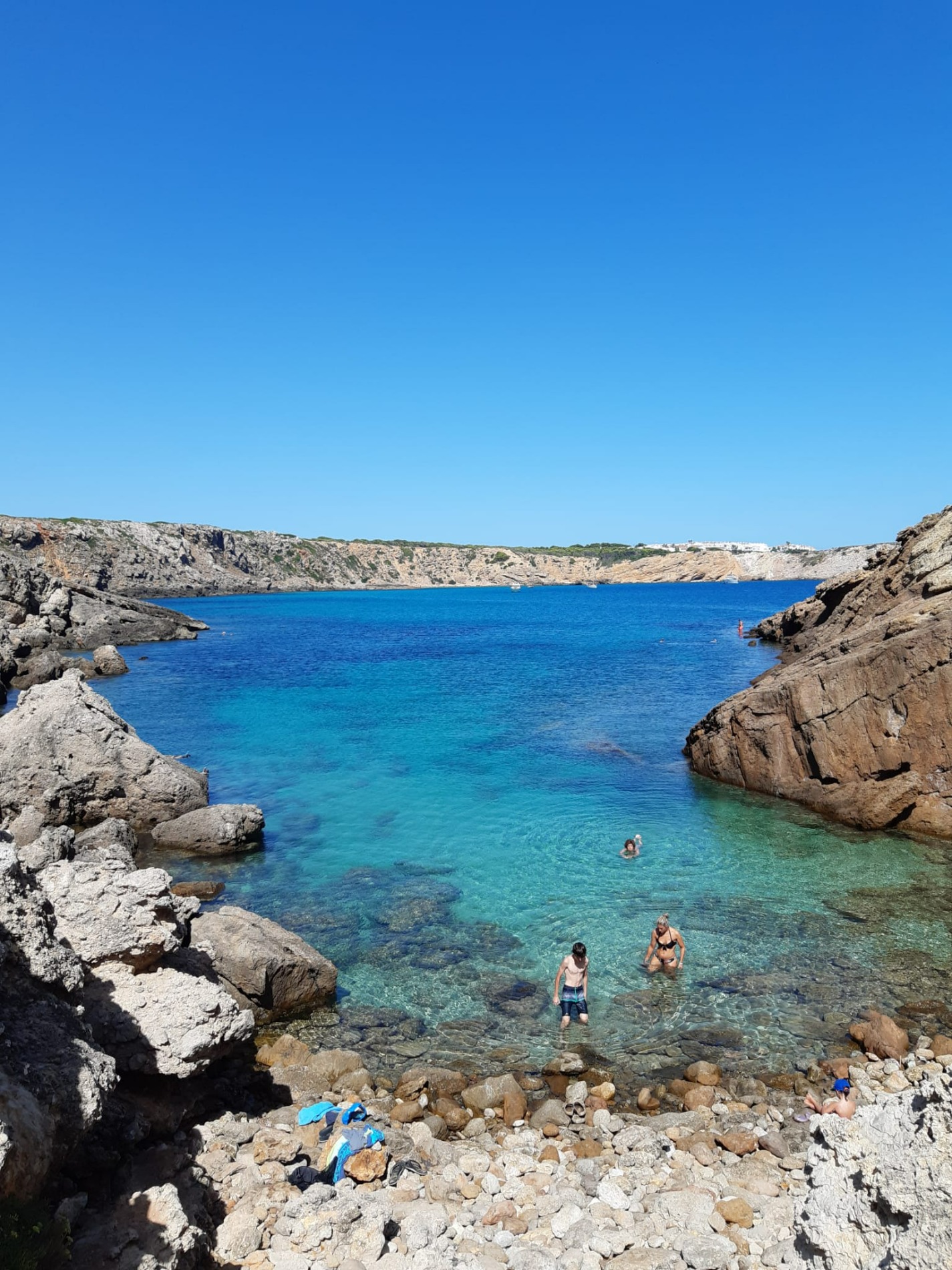
Cala'n Fustam and Cala Escorxada: one of those hidden treasures, they are less frequented coves due to their difficult access but that preserve the beauty of virgin coves. Especially the narrow and small Fustam is a dream of a place.
Binigaus: bathers often say that it is the most beautiful beach in Menorca. Part of it is nudist. It is the best anchorage to shelter from the north wind and has beautiful caves to visit, one of them with an interior beach included. To the east extend the beautiful beaches of Santo Tomás and Son Bou.
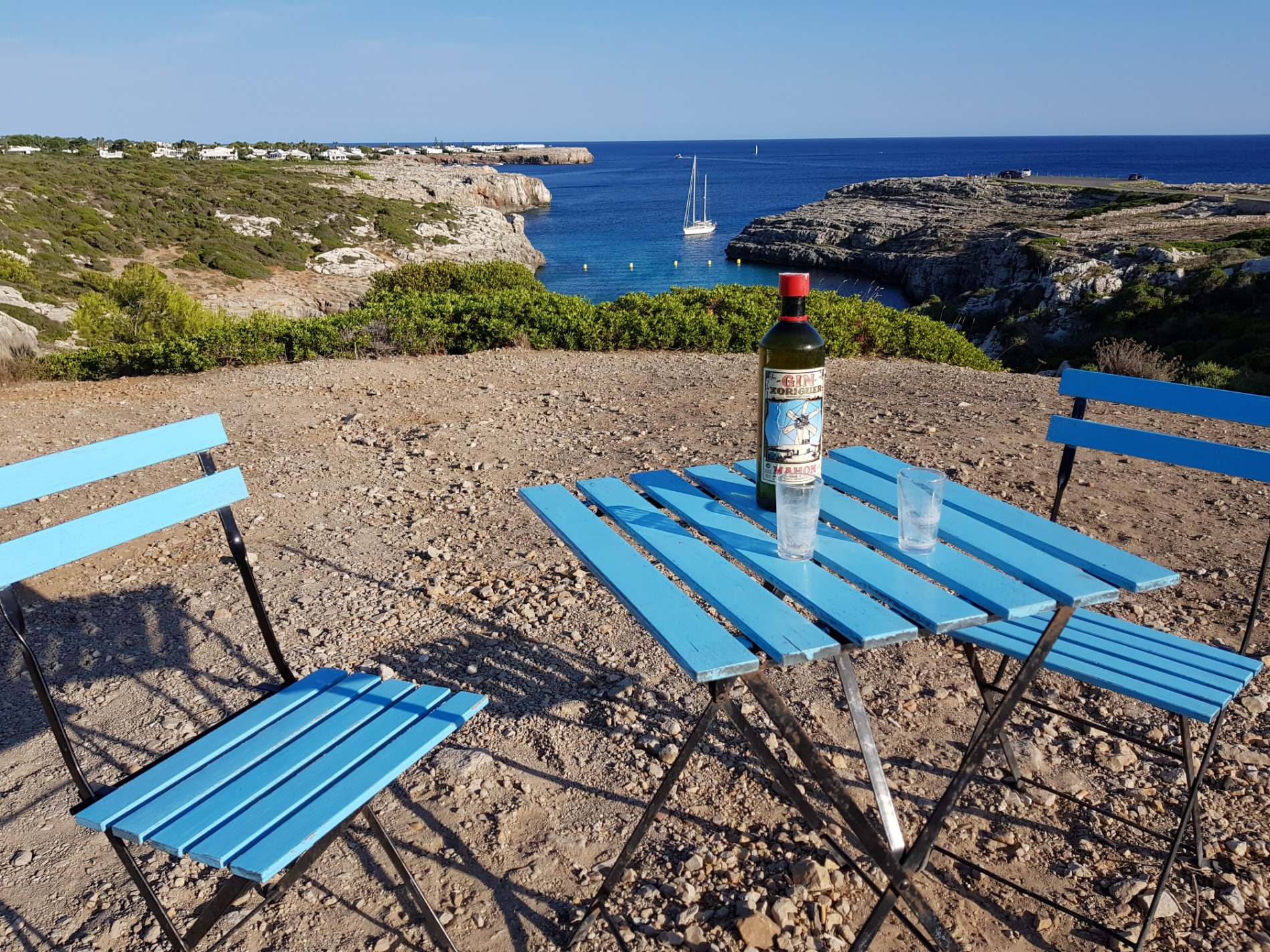
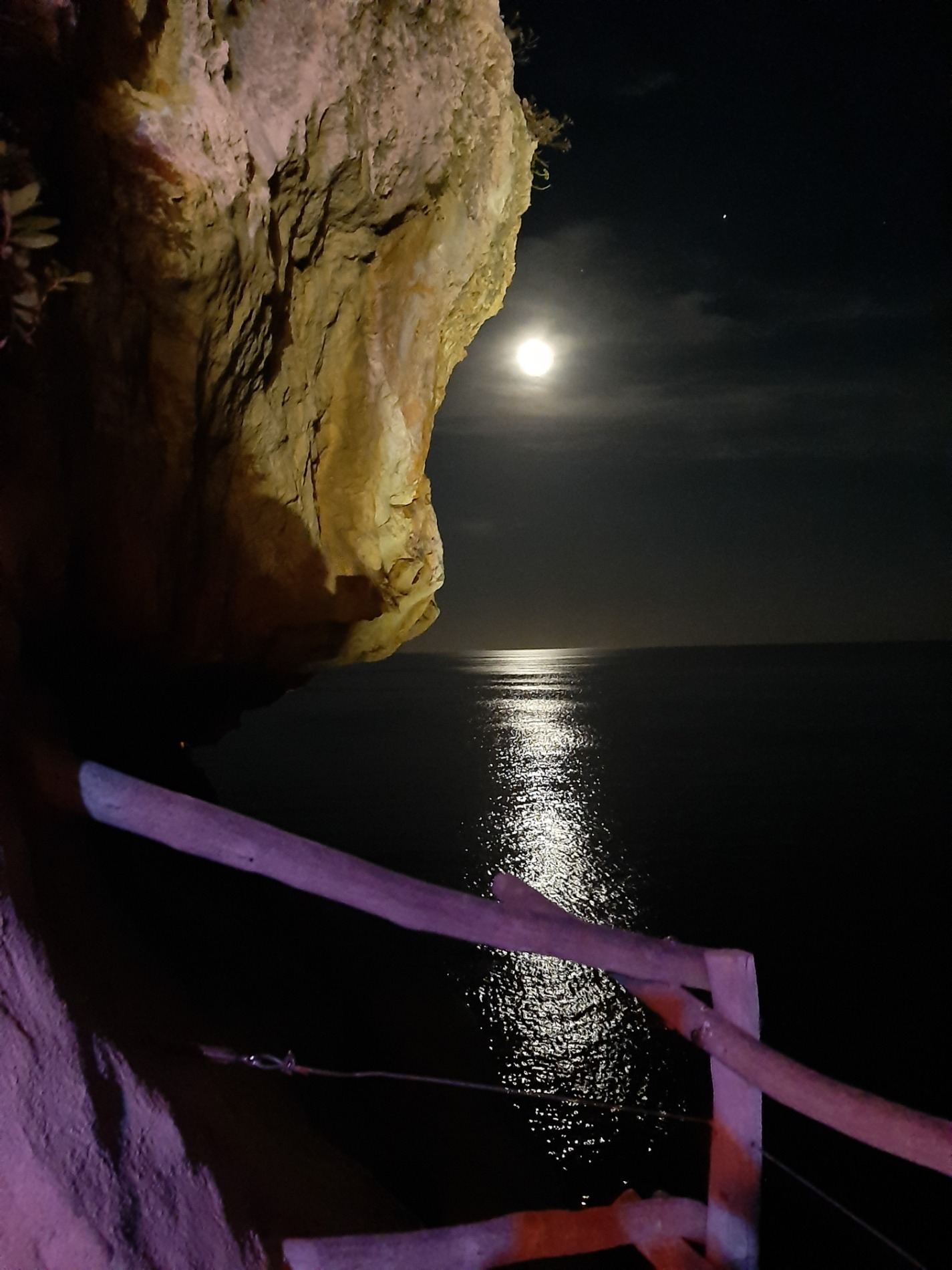
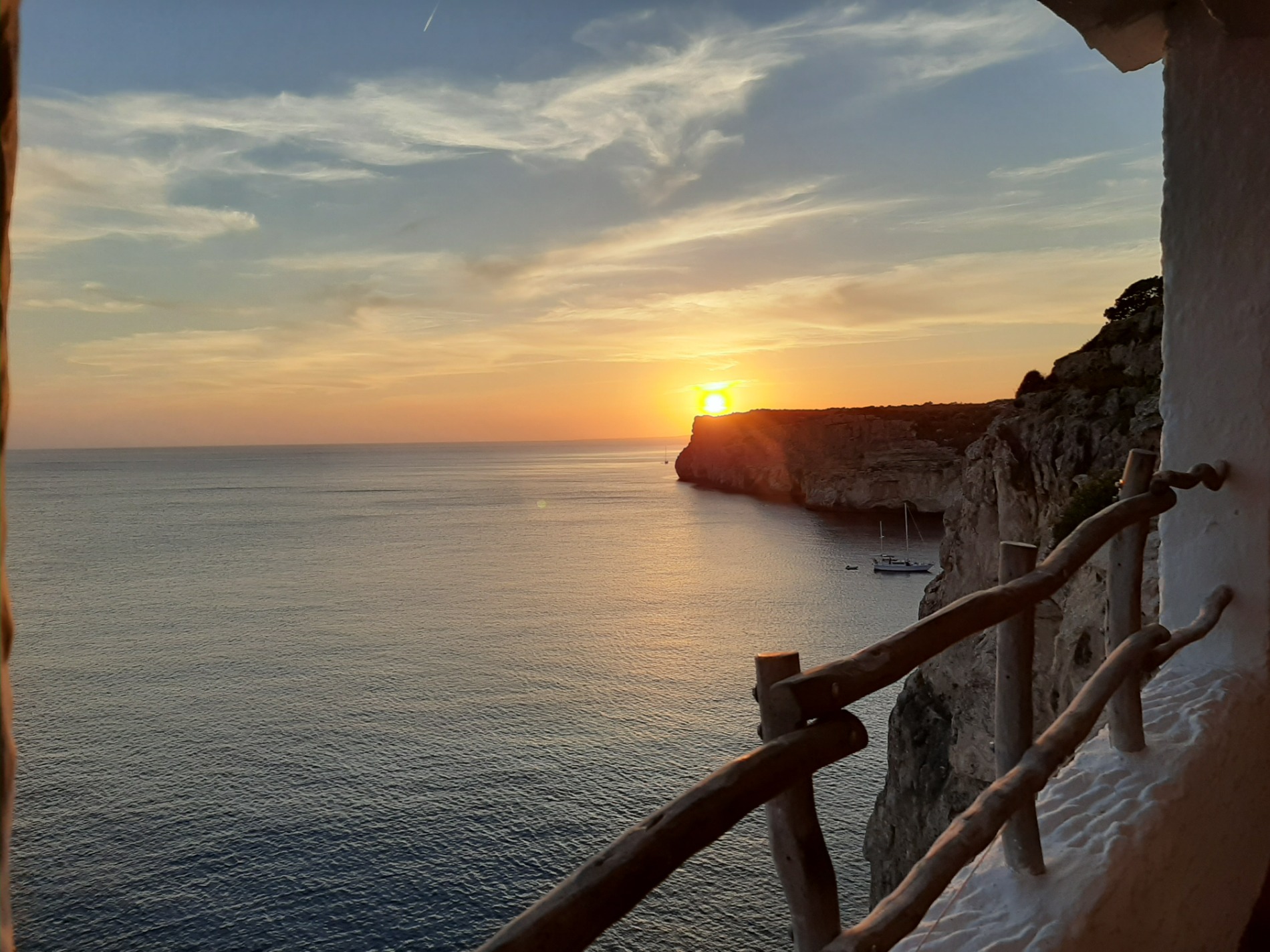
Cala'n Porter: its spectacular nature lies in the cliffs that surrounding it and make you feel smaller. It receives a lot of visitors due to its proximity to the Cova d'en Xoroi, a formerly inhabited cave on an impressive cliff, now converted into a lively bar which is a must to enjoy the spectacular sunsets.
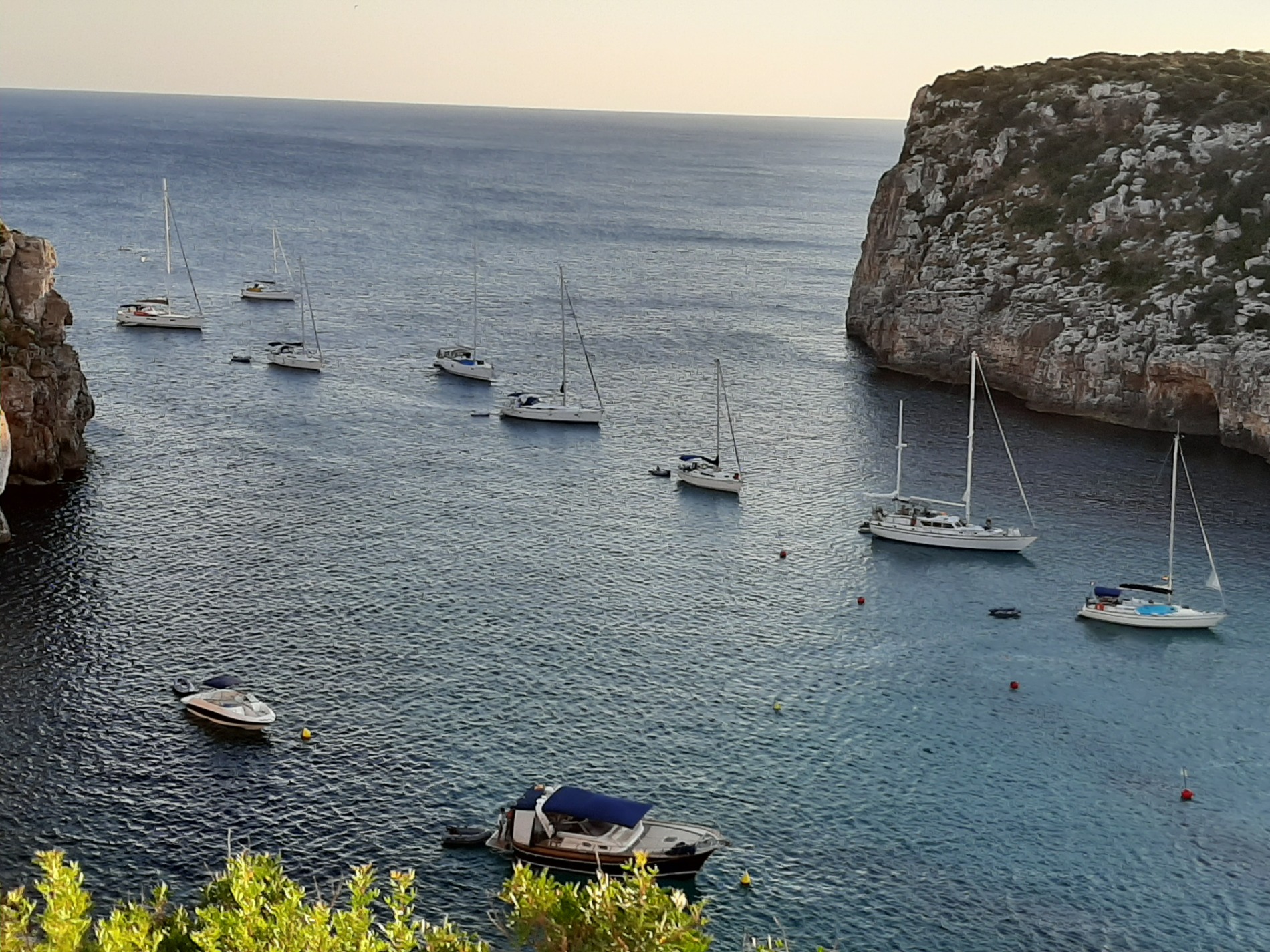
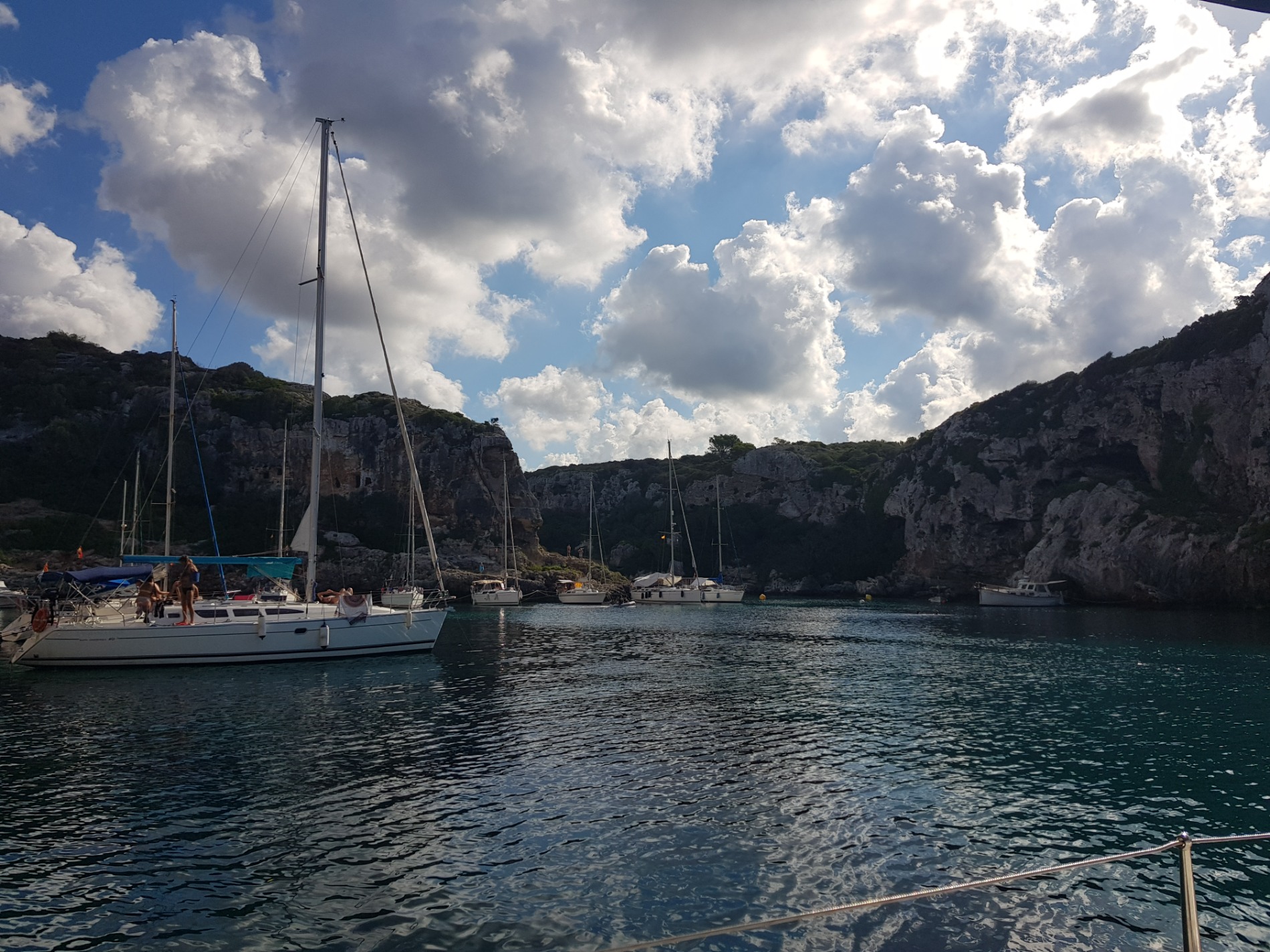
Cales Coves: another cove that leaves its mark.It is narrow with high cliffs on both sides where cat's beard anchoring is common. There are vestiges of the numerous caves inhabited by hippies in the 70s.